MapsGL - Weather & Map Layers
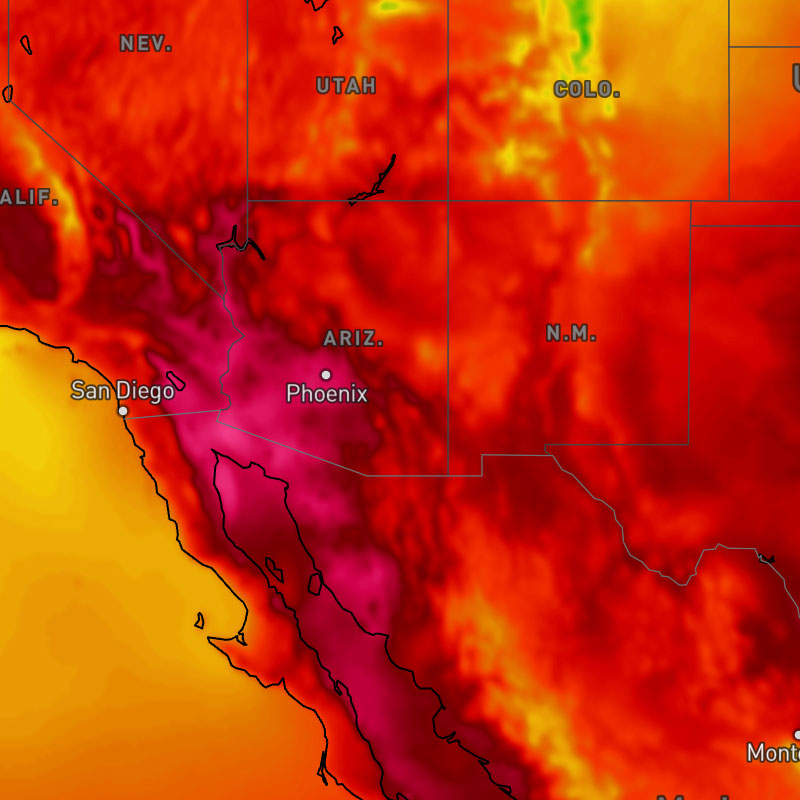
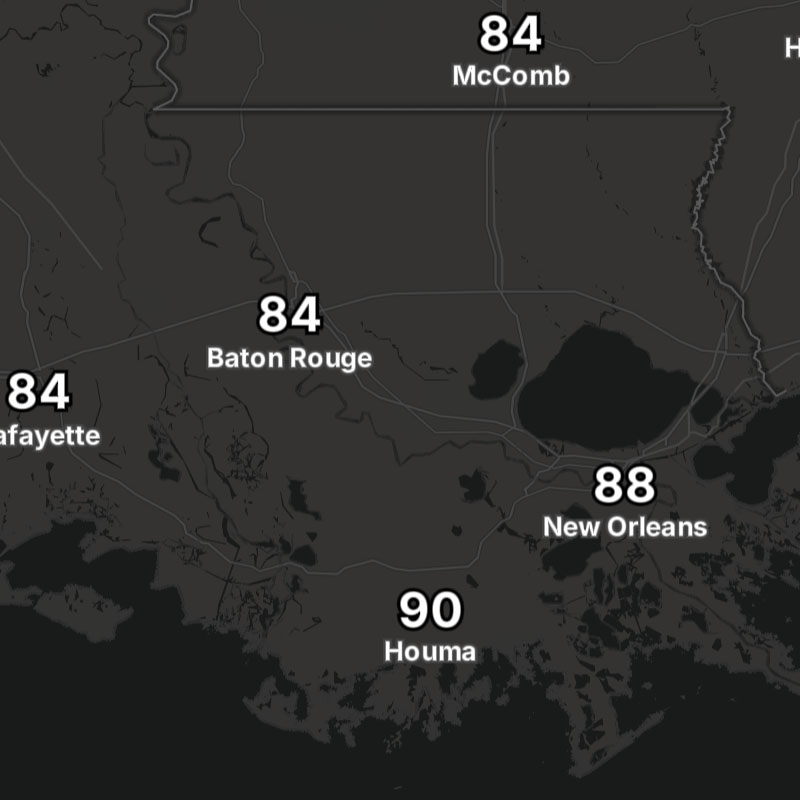
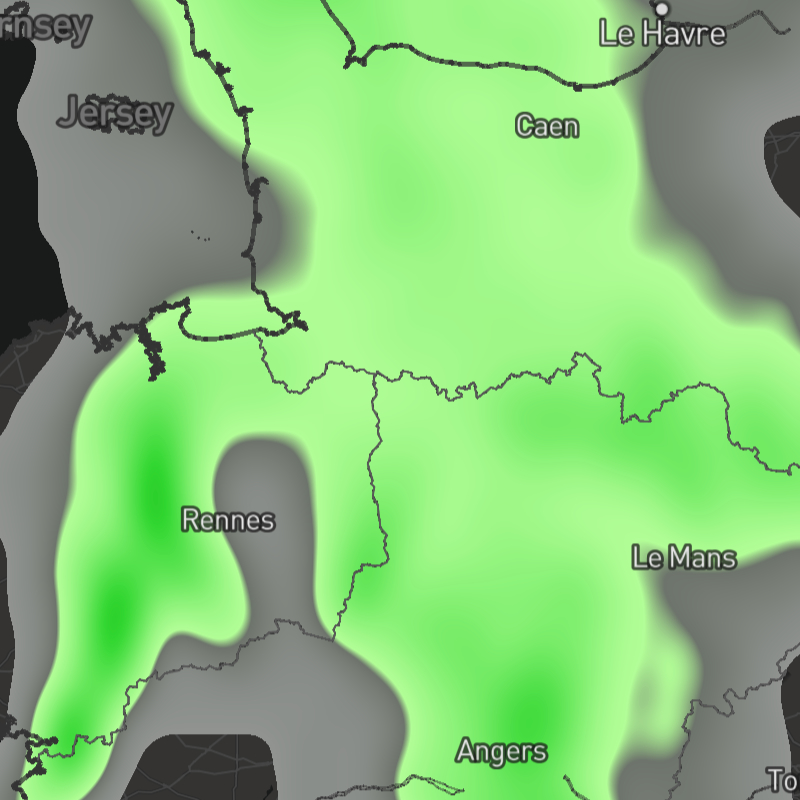
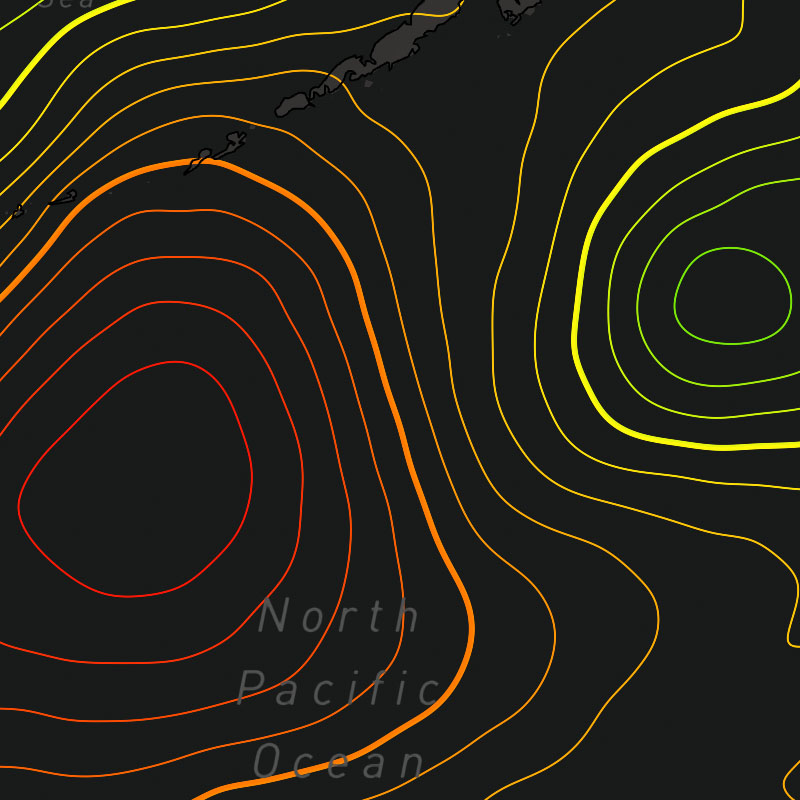
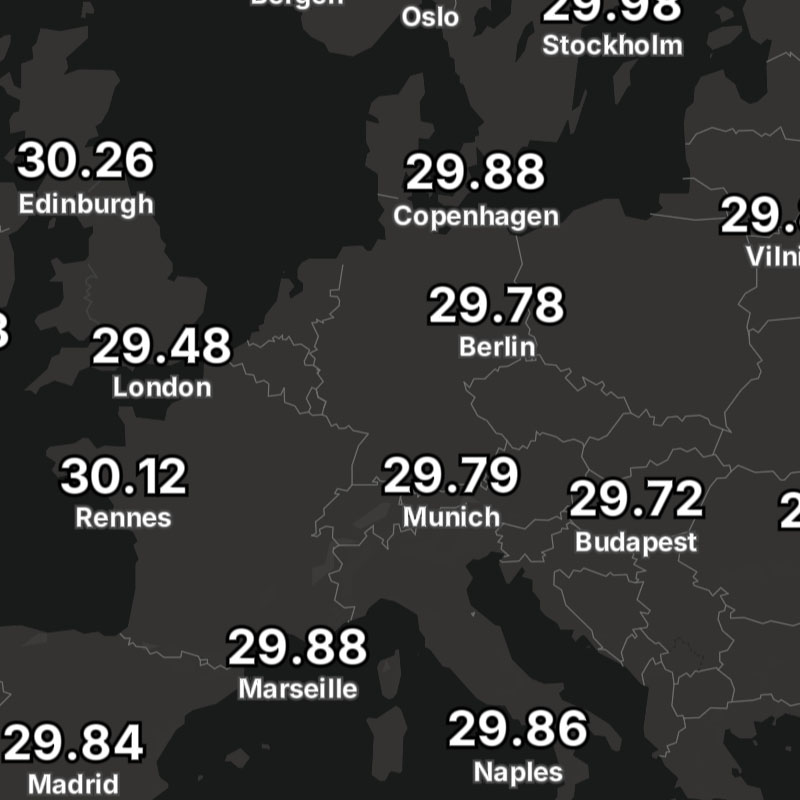
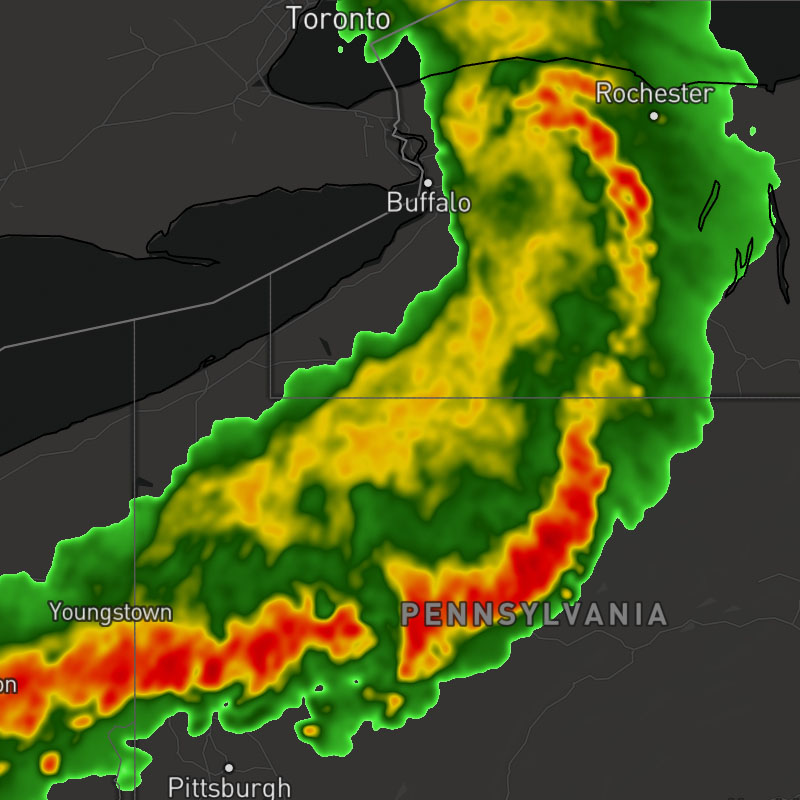
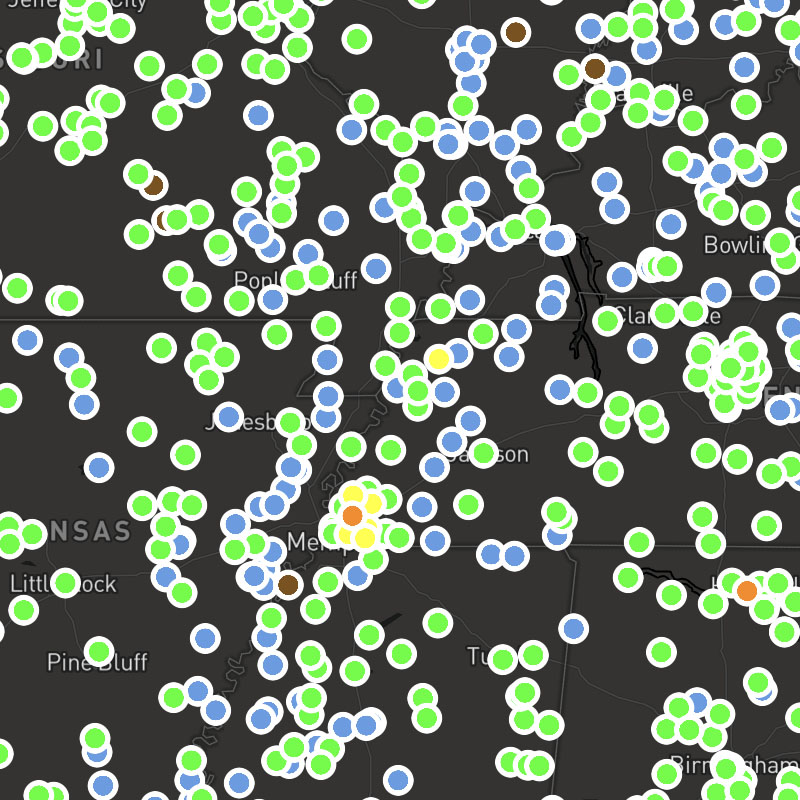
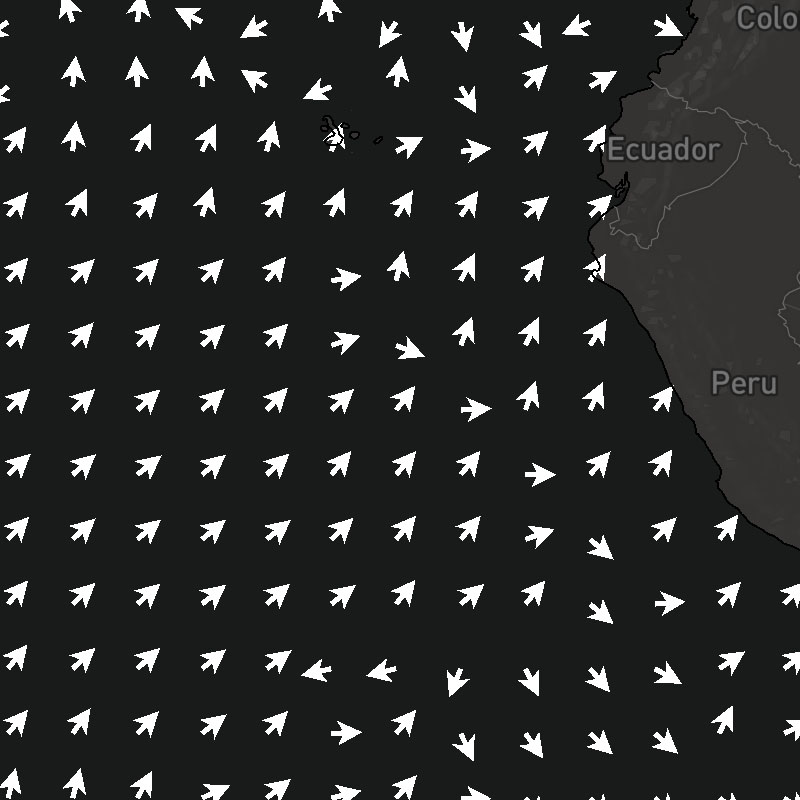
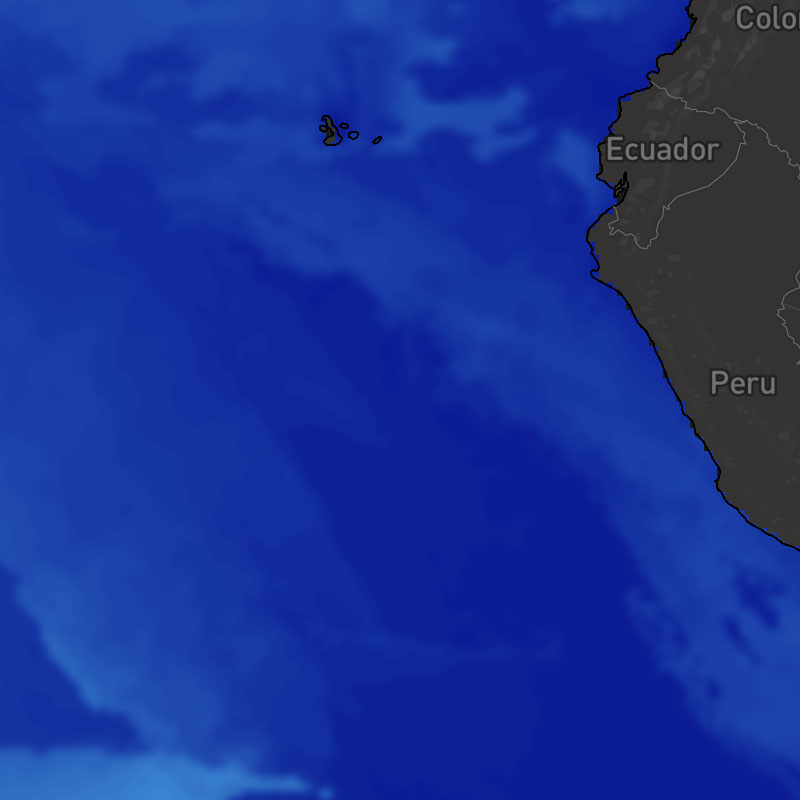
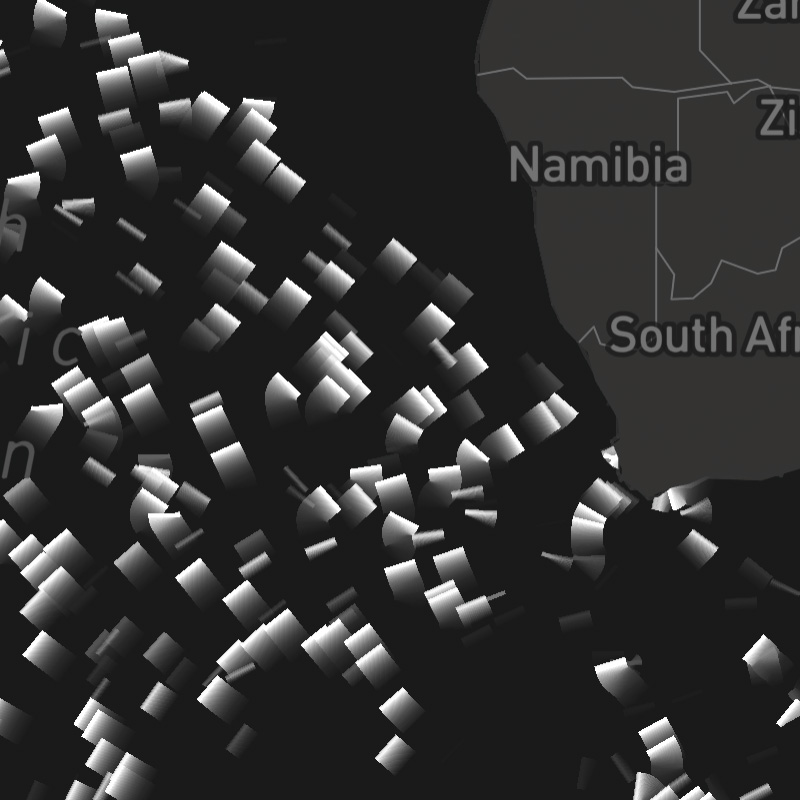
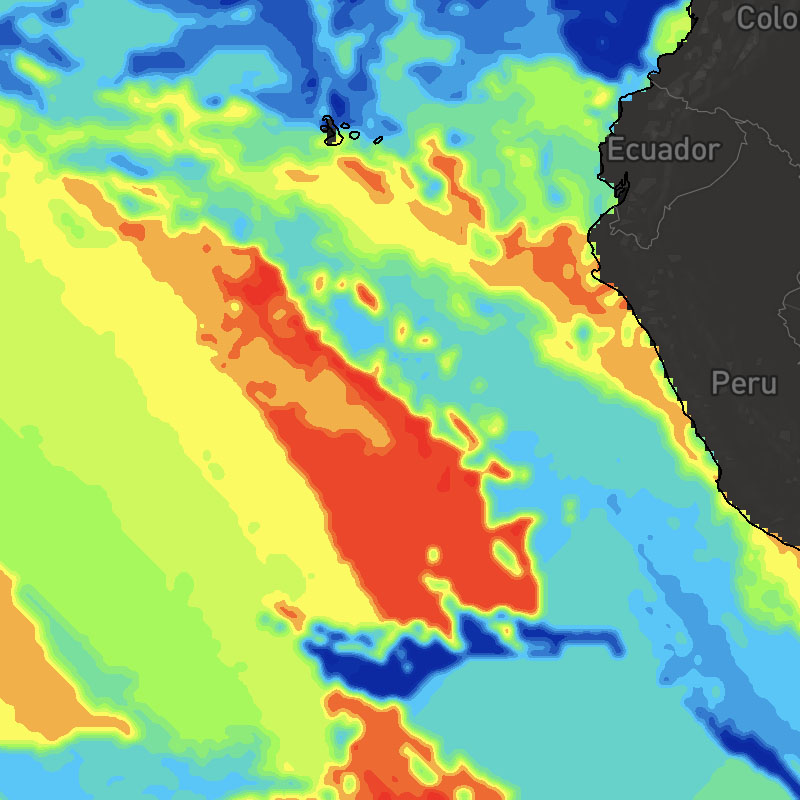
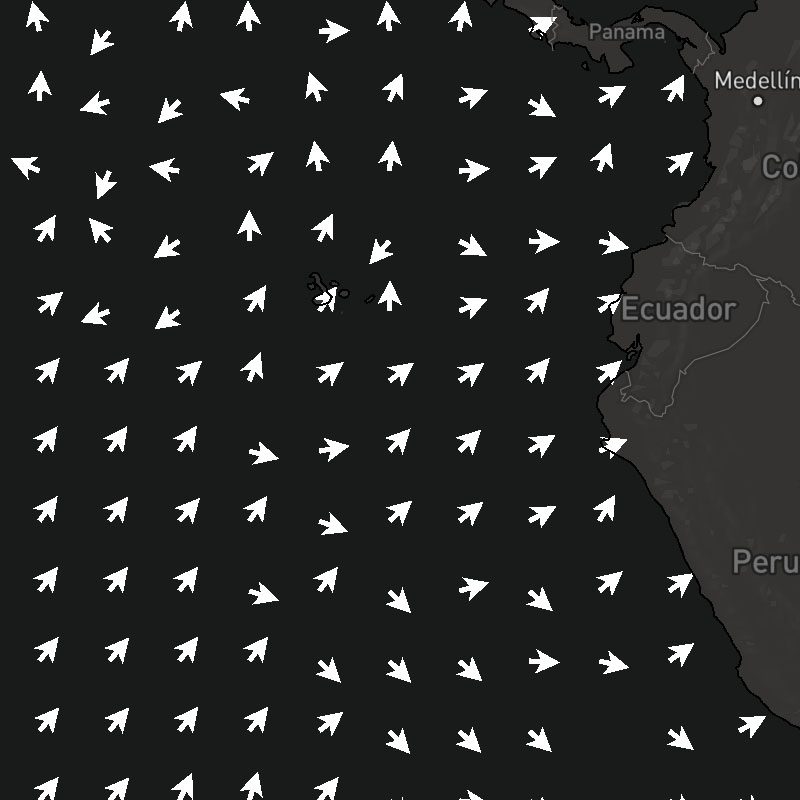
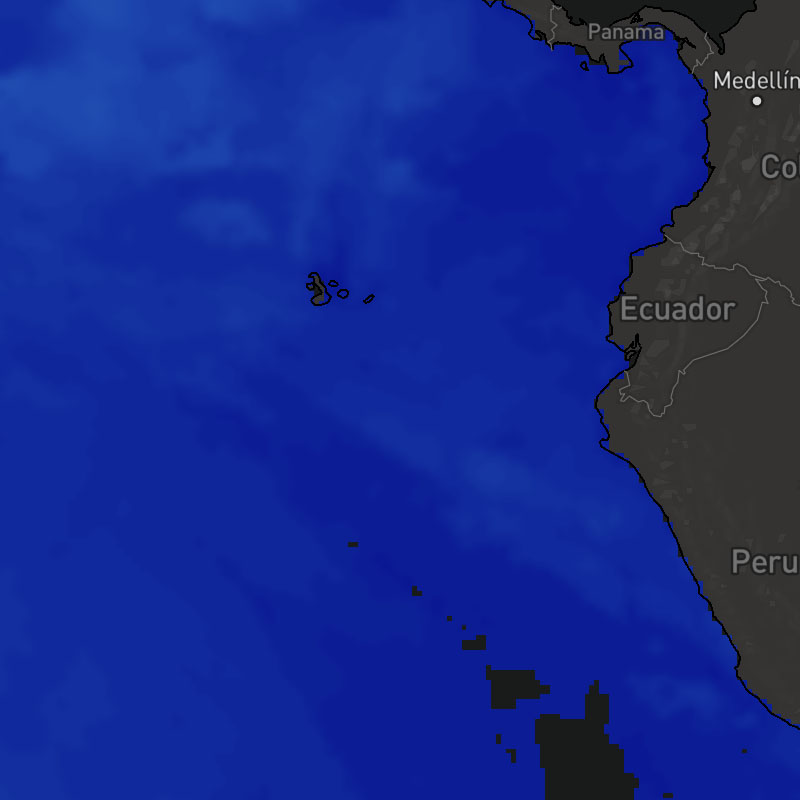
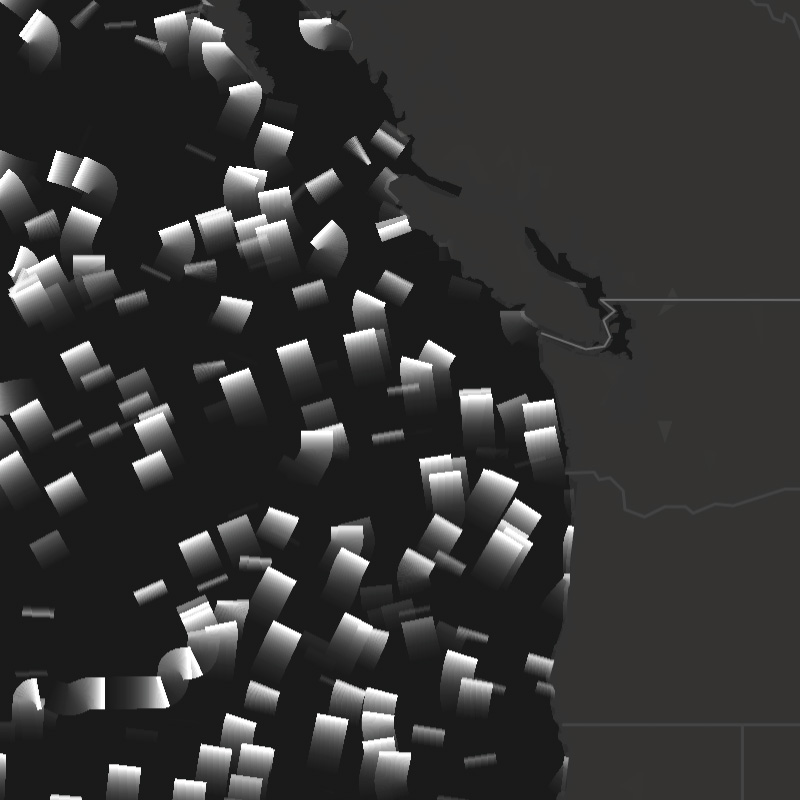
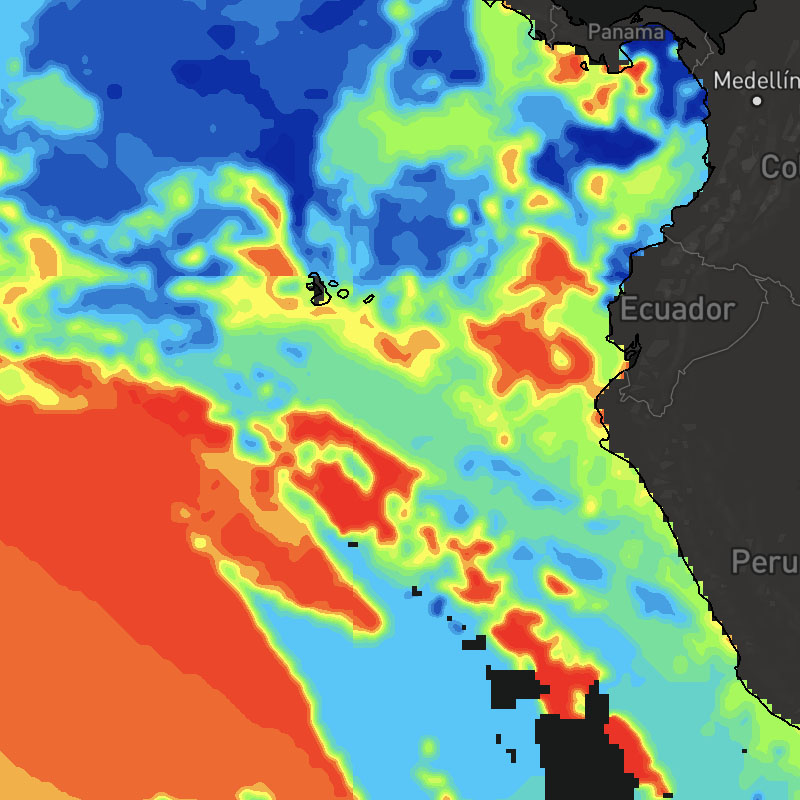
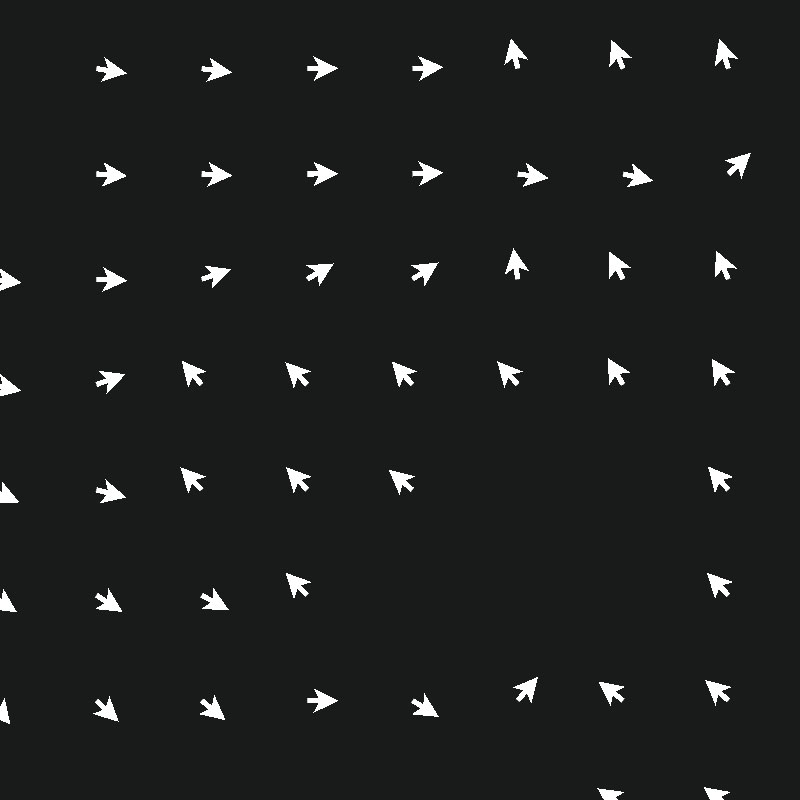
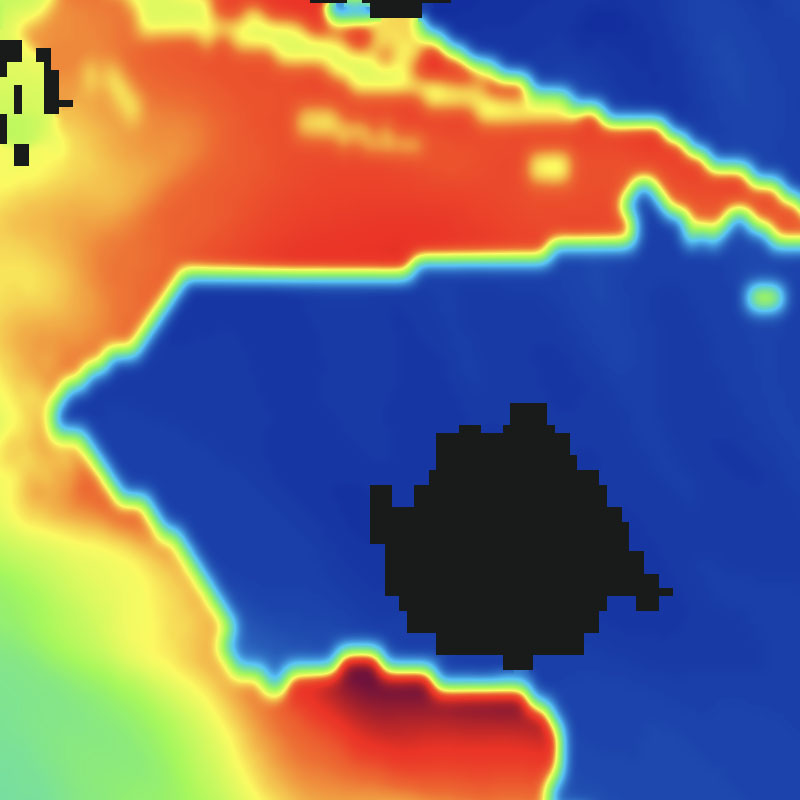
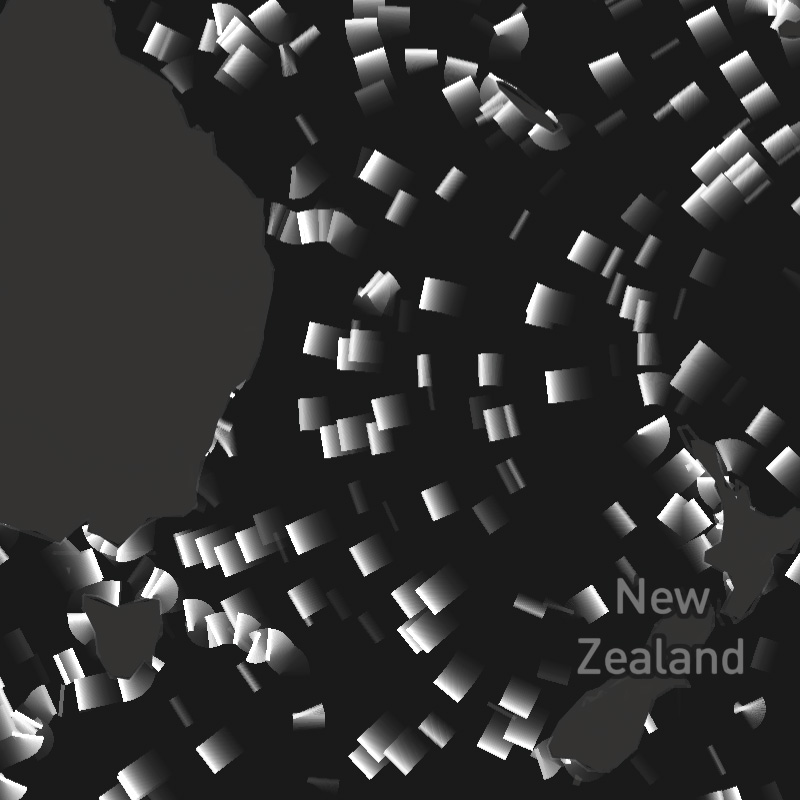
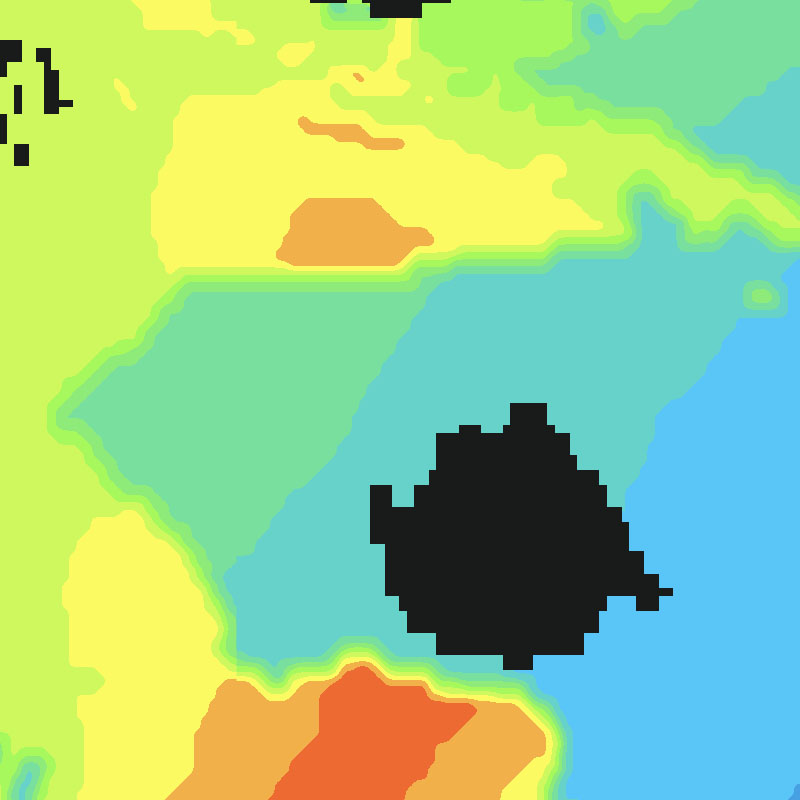
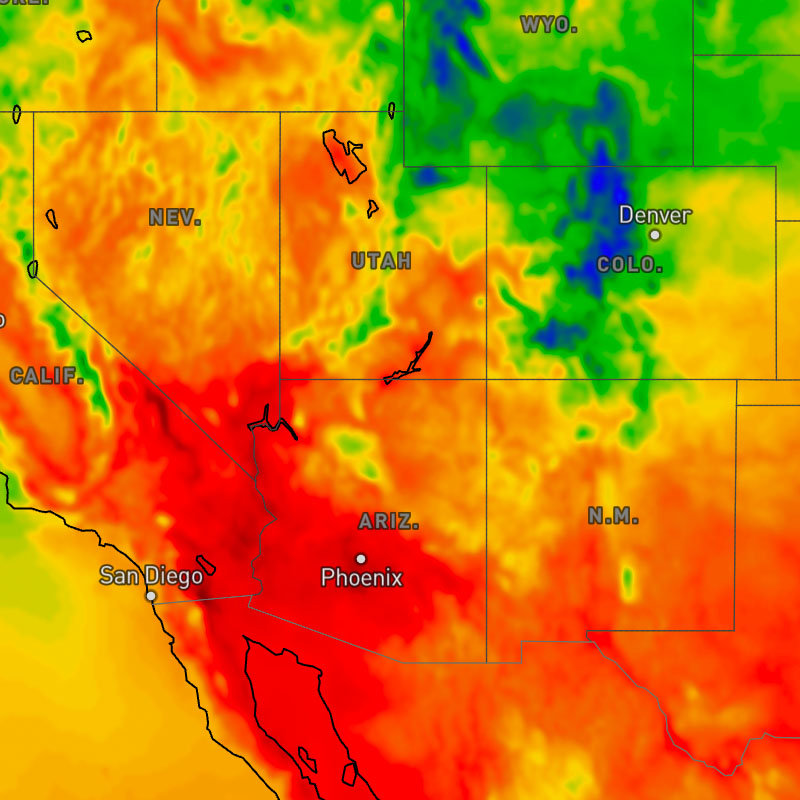
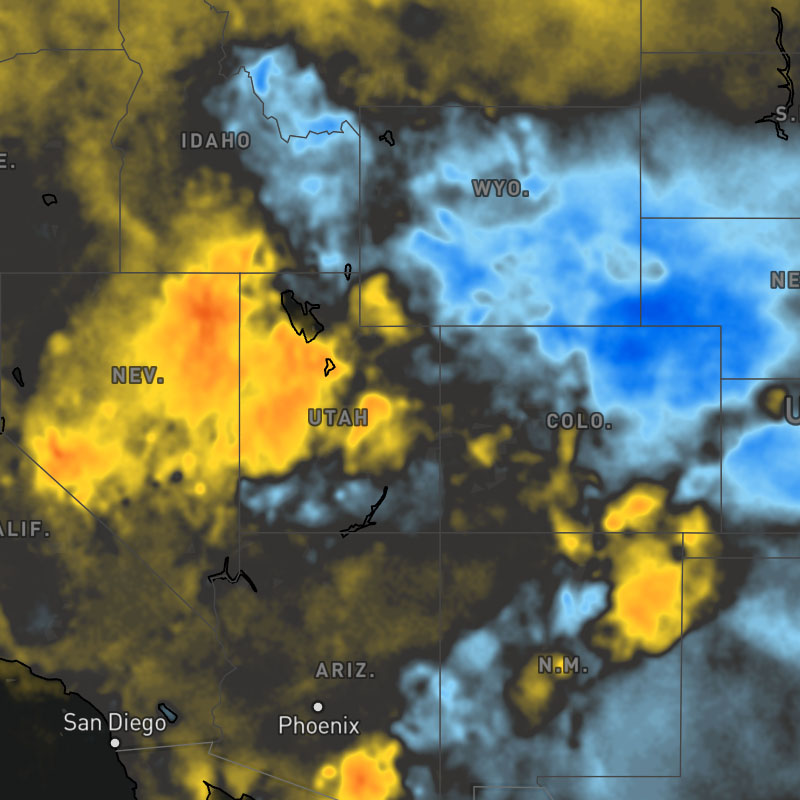
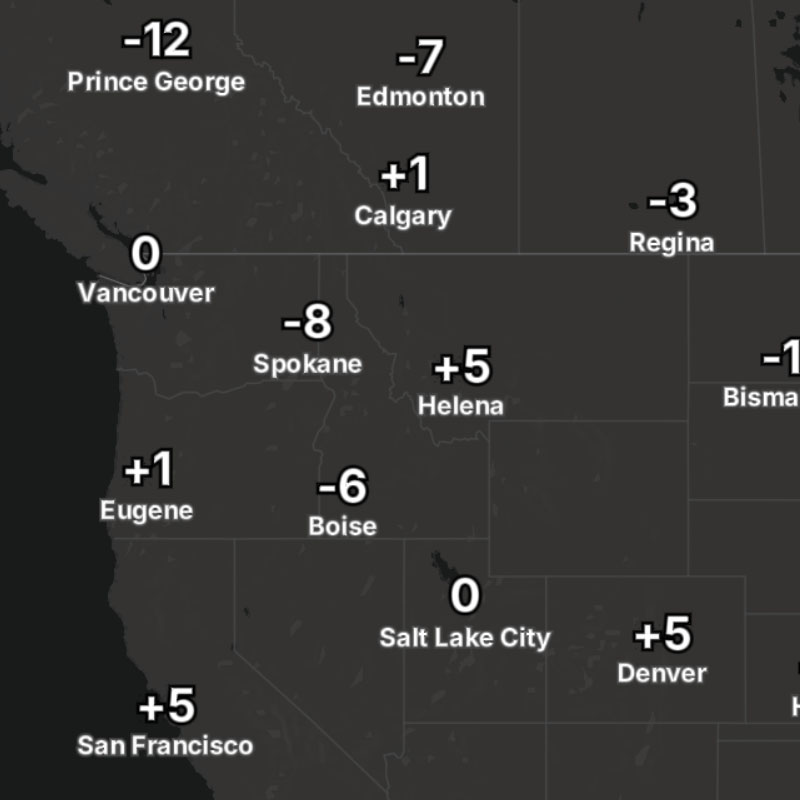
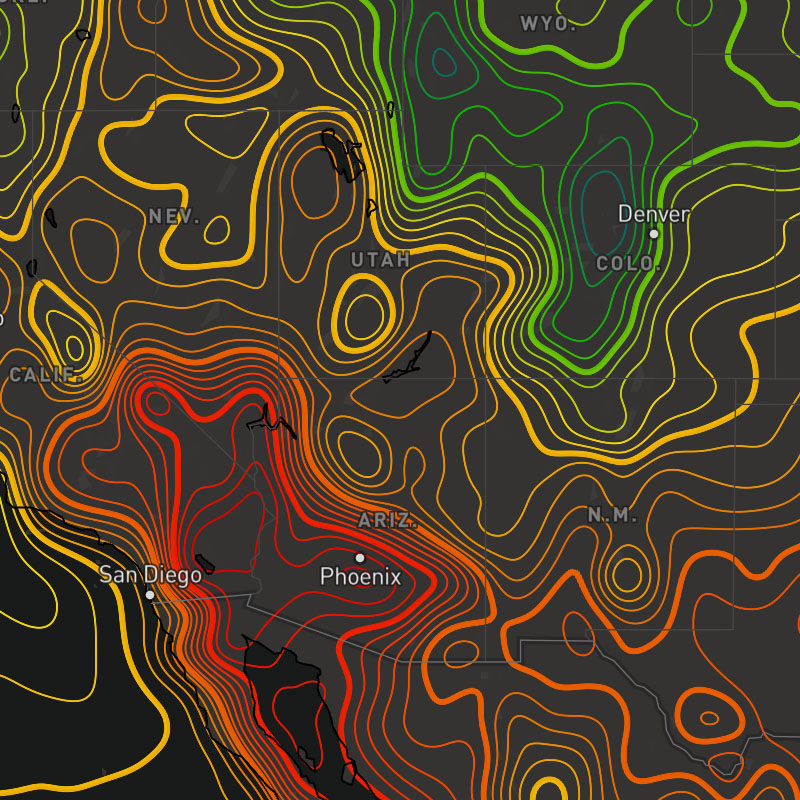
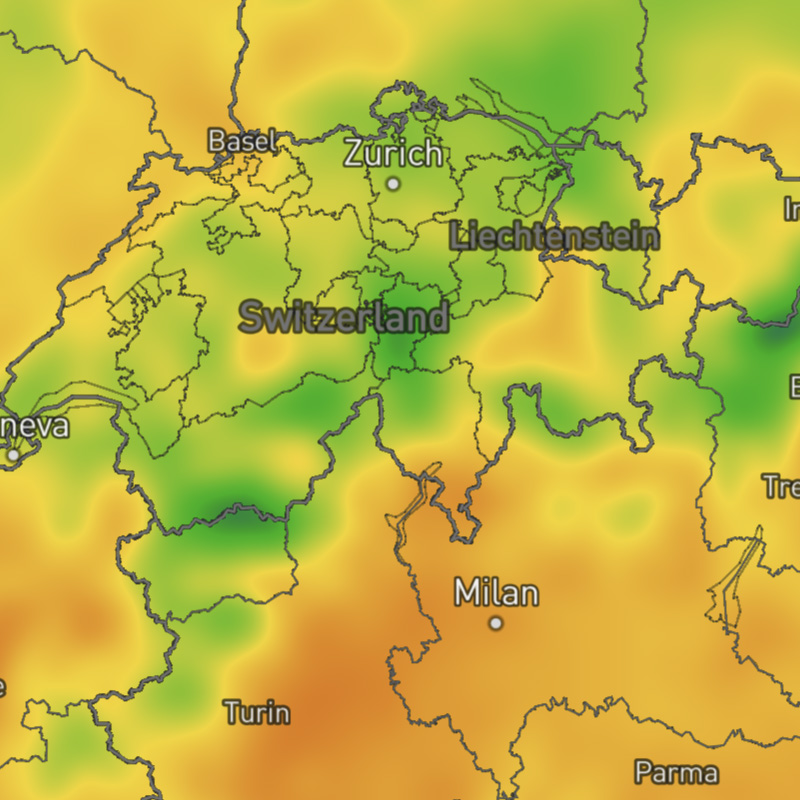
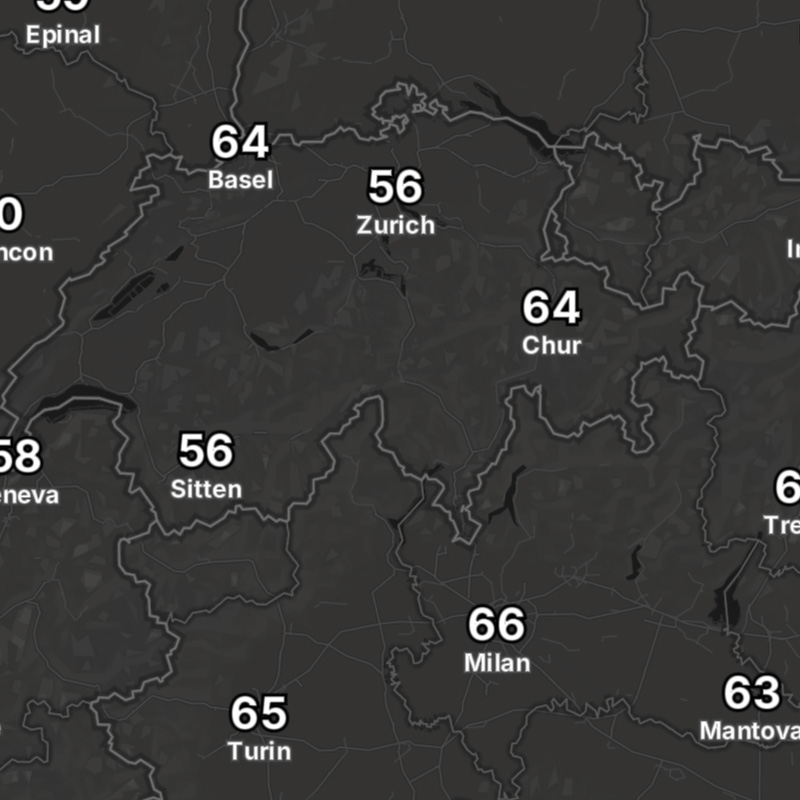
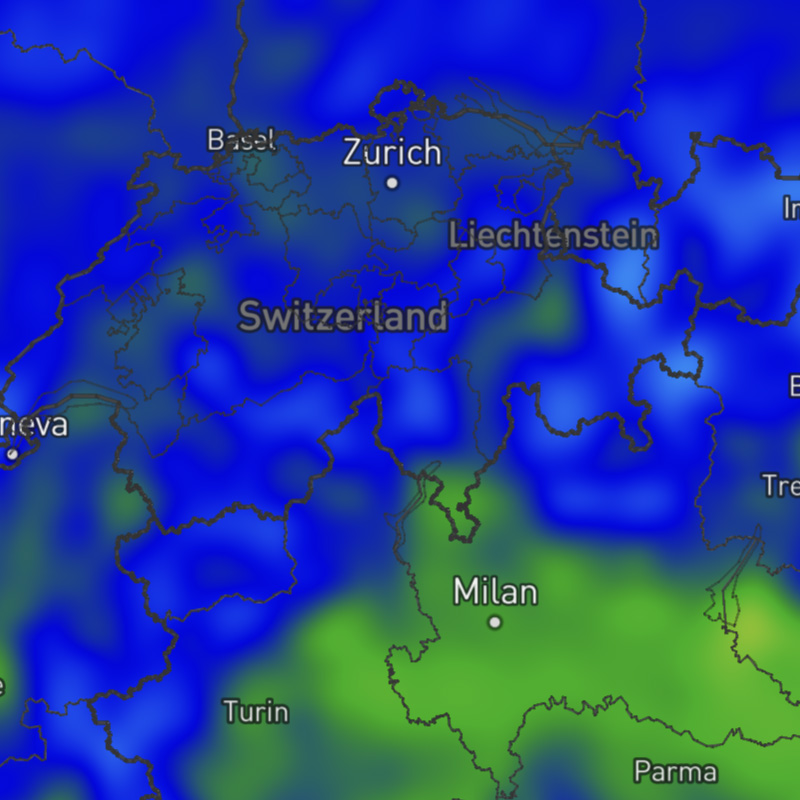
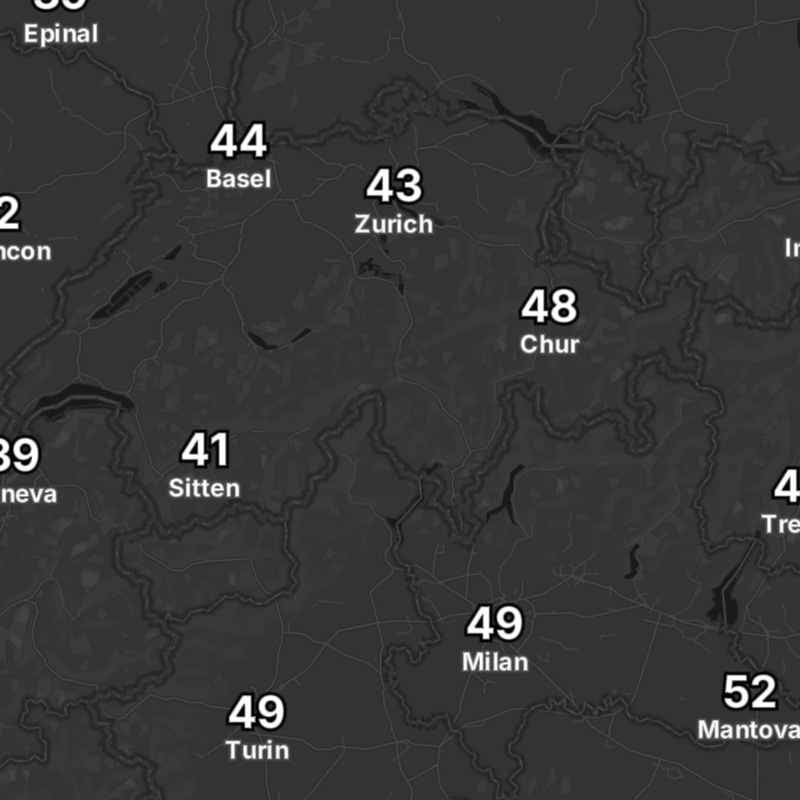
The MapsGL SDK includes a variety of pre-configured weather layers for you to quickly add to your maps. These built-in layers are styled using standard styles from our raster maps product by default except for new layers made possible with the MapsGL SDK.
While the built-in weather layers are already configured with default styles, you can fully customize their appearance by overriding the default style configuration. Refer to the styling weather data documentation for more details and examples of customizing weather layers.
Use each layer’s code with addWeatherLayer. This page is the published catalog. Your SDK build may include a subset — after the map loads, call controller.weatherProvider.getSupportedLayerIds() for the codes you can add, or getLayerMetadata() for titles, categories, and optional imageUrl thumbnails. See discovering weather layers.
Forecast models
Starting with MapsGL 1.10.0, the catalog also includes model-specific clones of conditions and radar layers. Codes follow {model}-{variable}:
controller.addWeatherLayer('gfs-temperatures');
controller.addWeatherLayer('ecmwf-hres-wind-particles');
controller.addWeatherLayer('nbm-conus-radar');
Not every model publishes every variable. A code that is not in the current SDK build is ignored. Regional models (NBM, NDFD, and similar) are clipped to their native grid so data is not stretched outside the model’s domain; global models such as GFS and ECMWF HRES render worldwide. MapsGL applies that clip automatically.
See the forecast model layers guide for supported models, variables, coverage clipping, and data quality.
Supported layers
The following built-in weather layers are supported within MapsGL. Refer to the layer categories and their respective layers for more information about each layer, including update frequency and coverage regions:
- Style: Layer style used when rendering the layer, using default paint styles that can be overridden
- Animates: Whether the layer is animatable using the MapsGL map timeline
- Updates: Update frequency for the data
- Range: How far back (negative ranges) or how far into the future (positive ranges) the data is available for relative to now. Past ranges consist of archived observed data, whereas future ranges indicate forecast model data. Some weather layers contain both archive and forecast data, in which case time ranges in the past will return archive data and time ranges in the future will return forecast data.
- Regions: Coverage regions included with the data set.
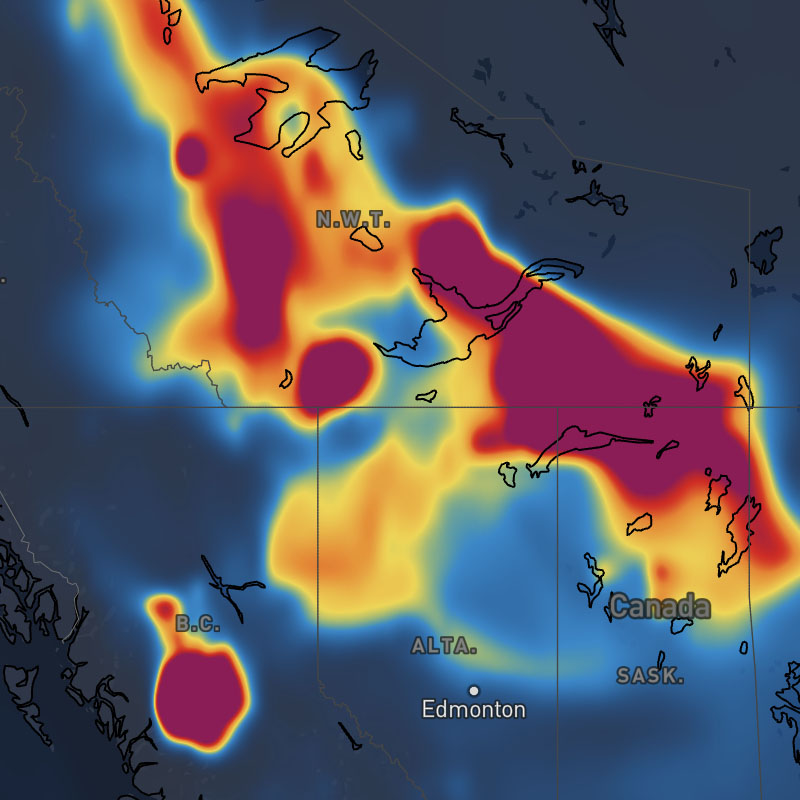
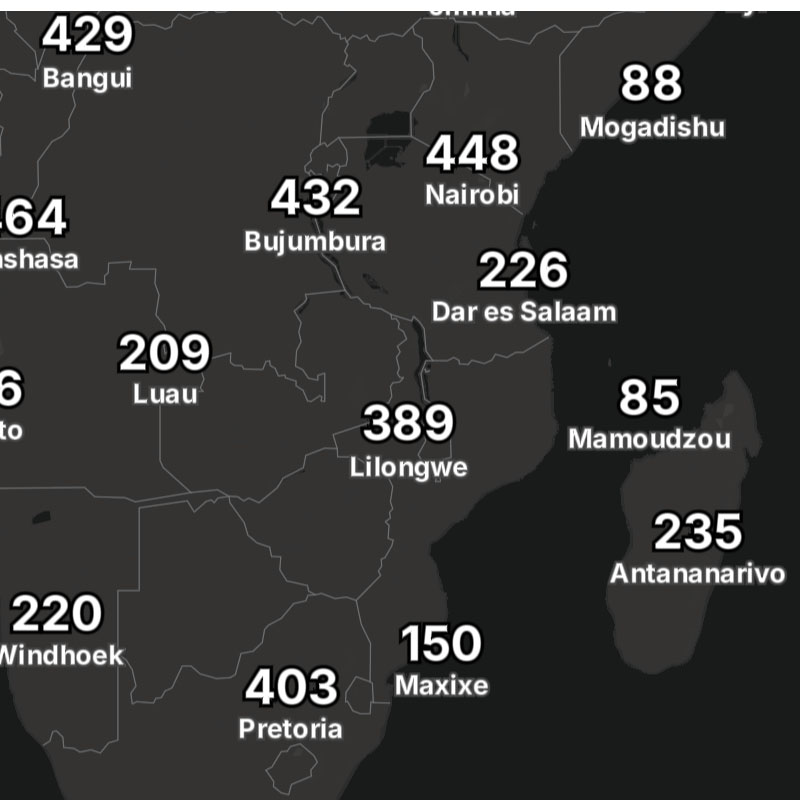
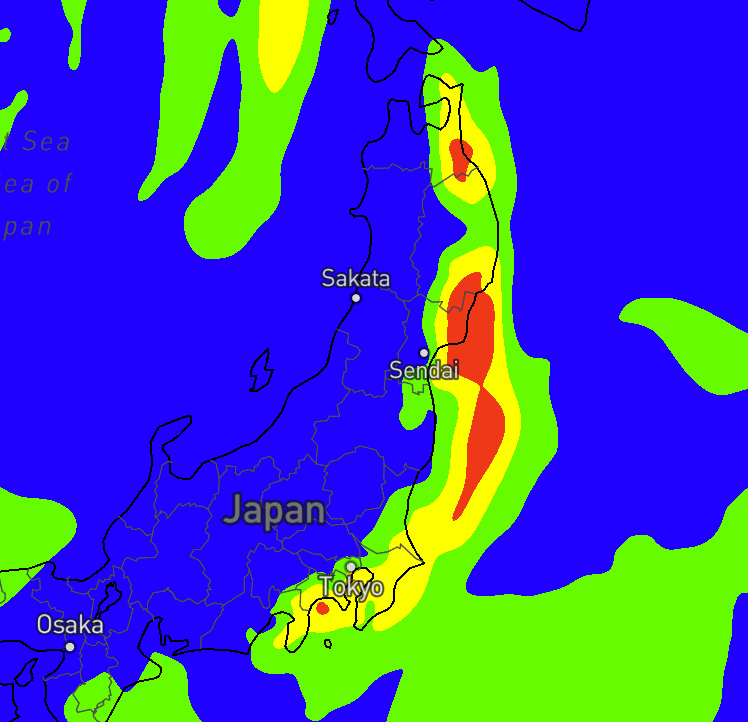
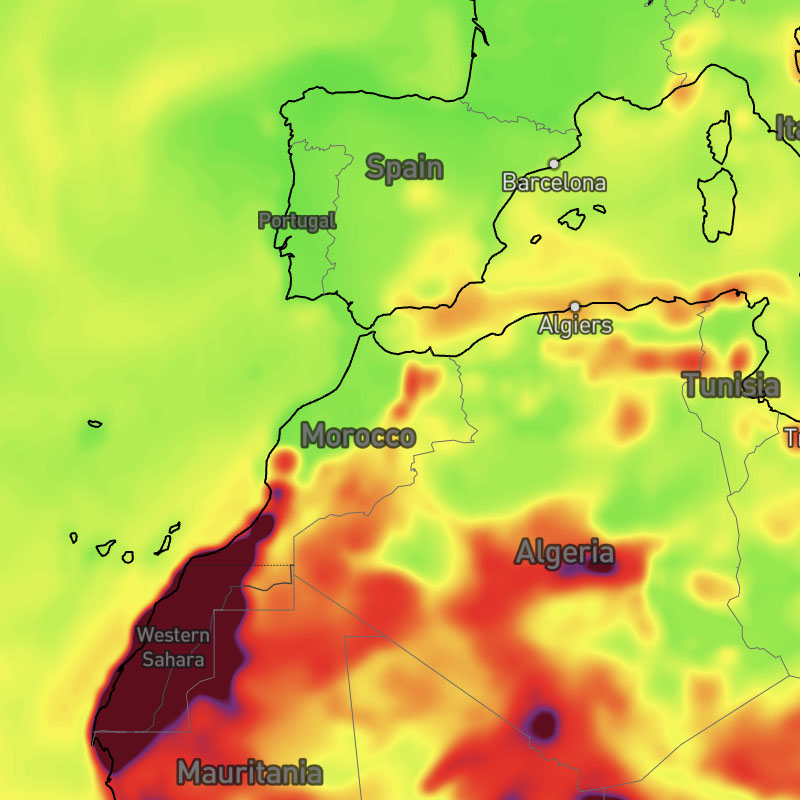
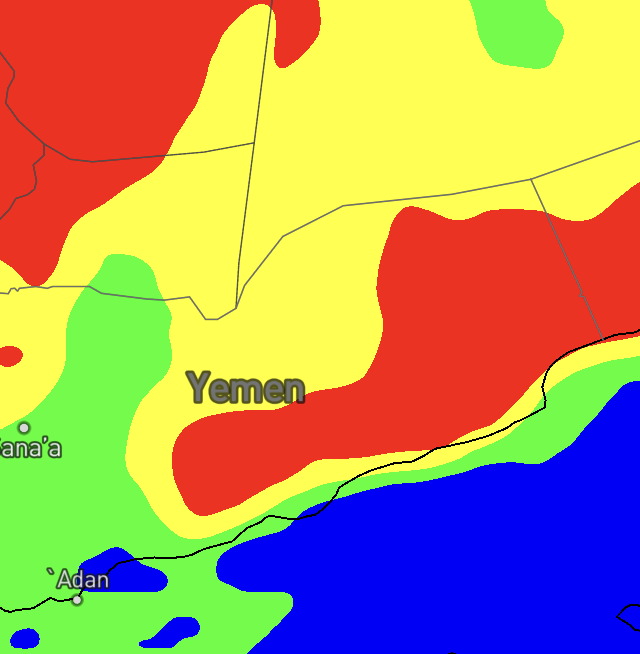
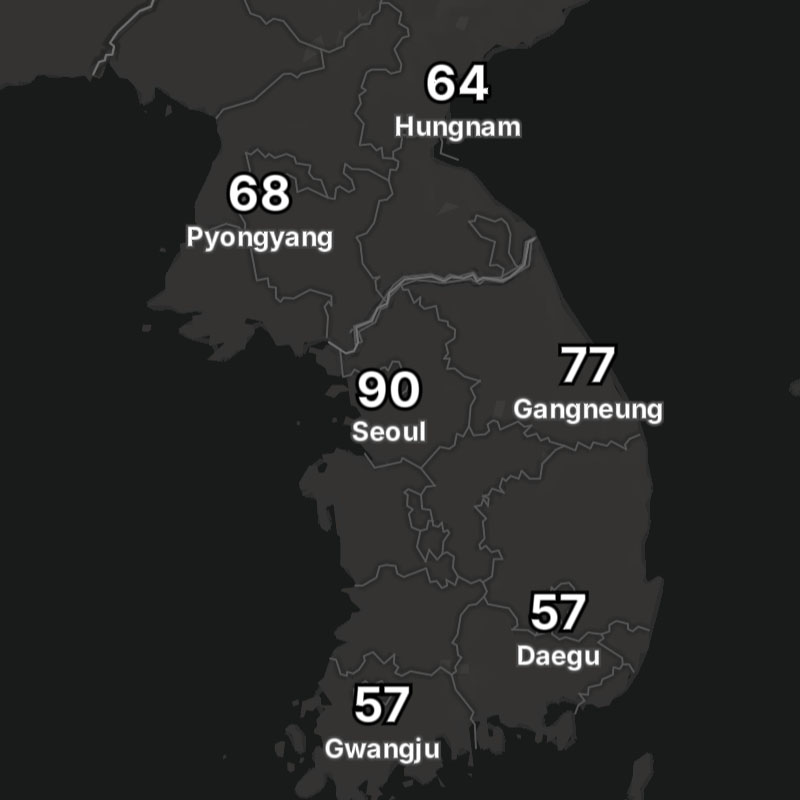
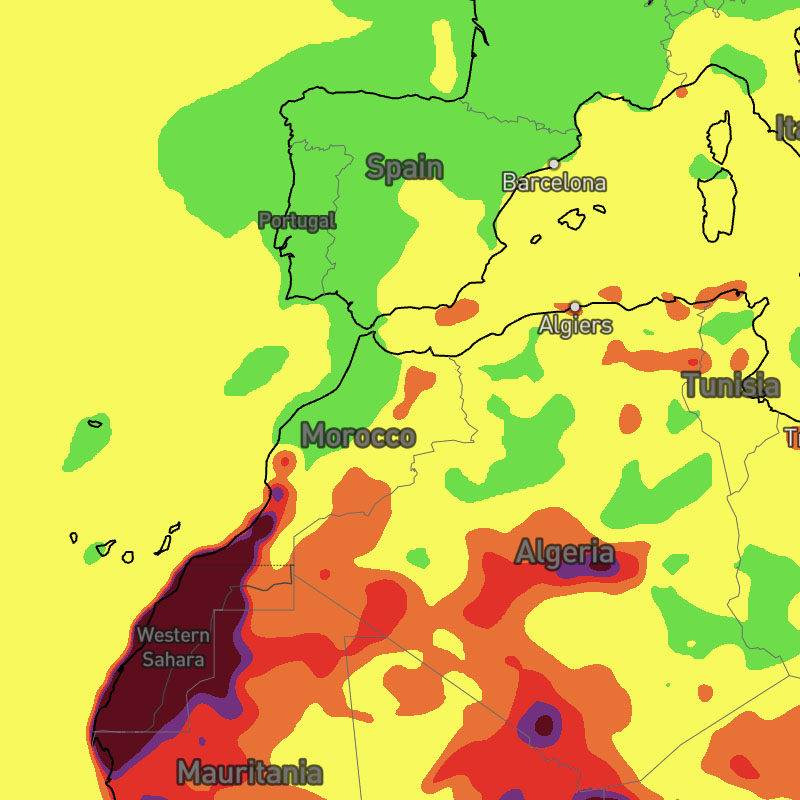
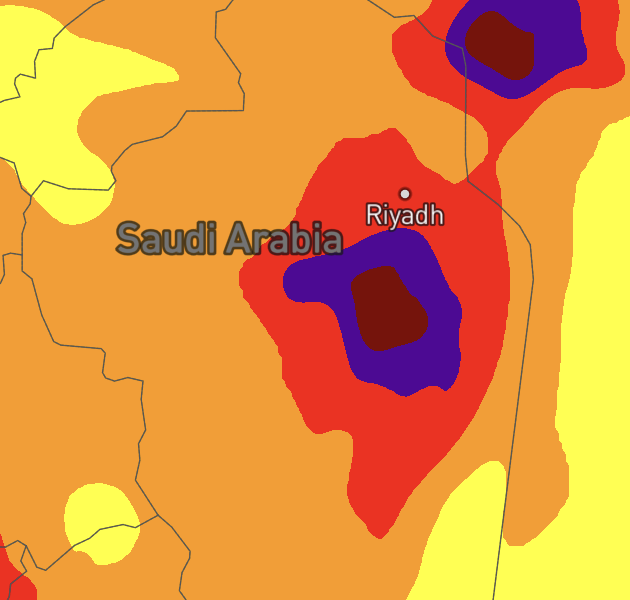
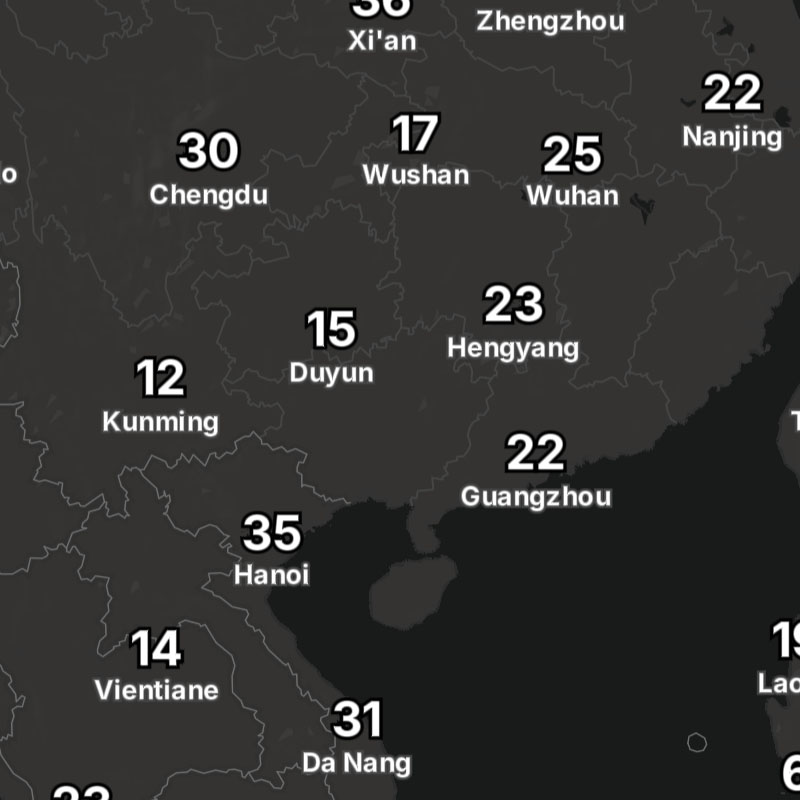
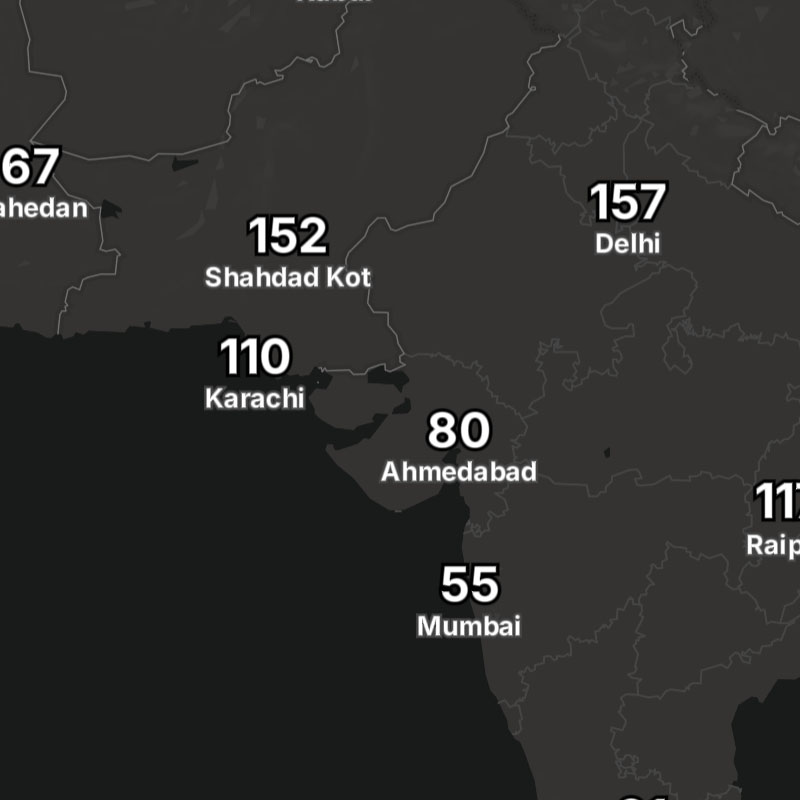
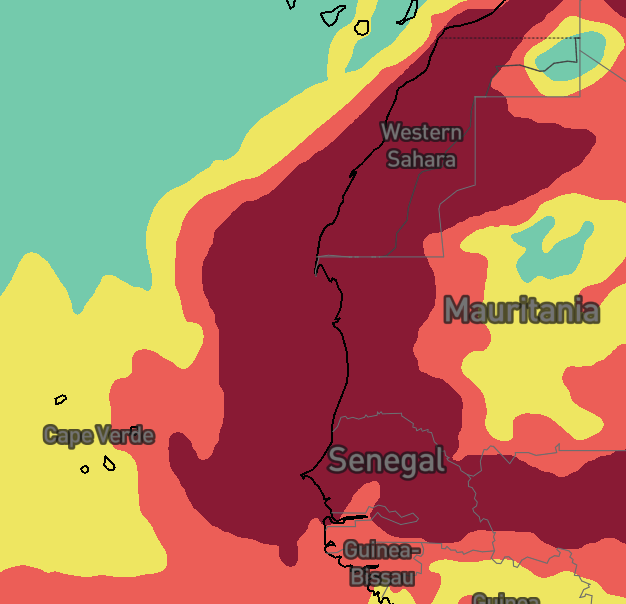
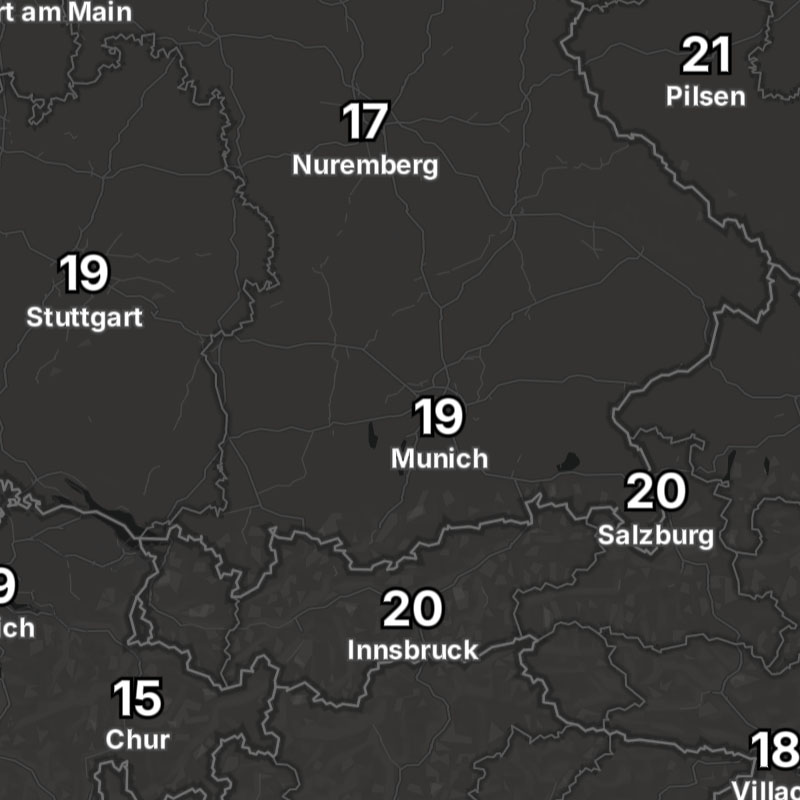
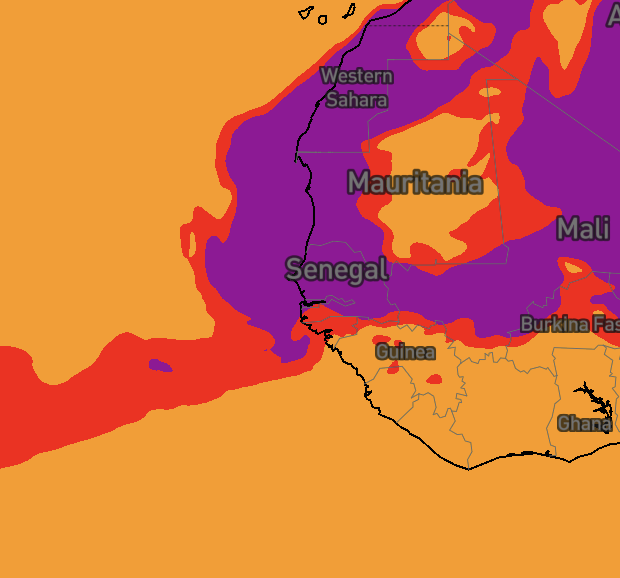
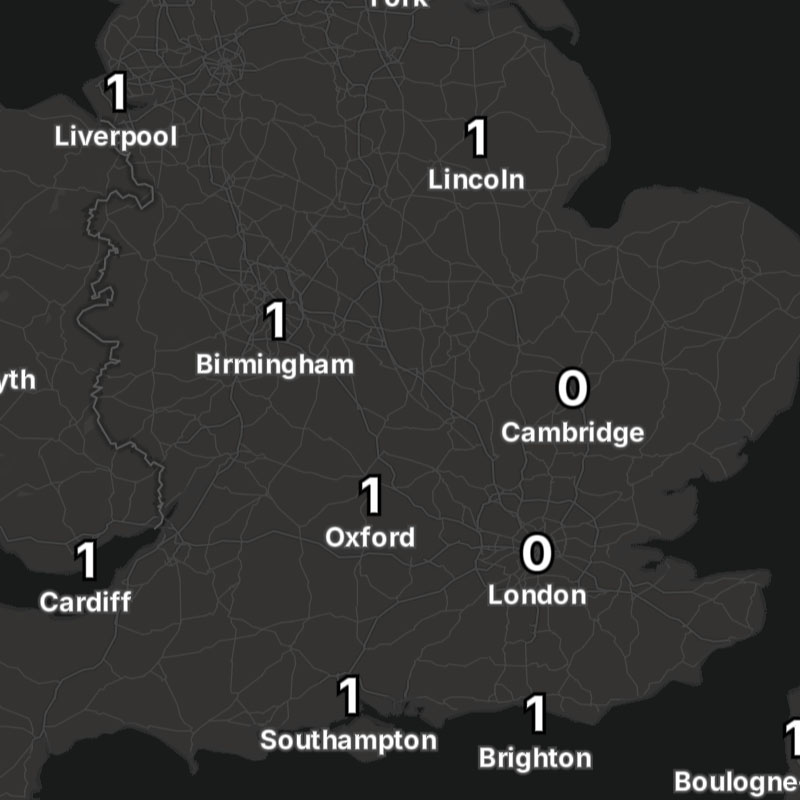
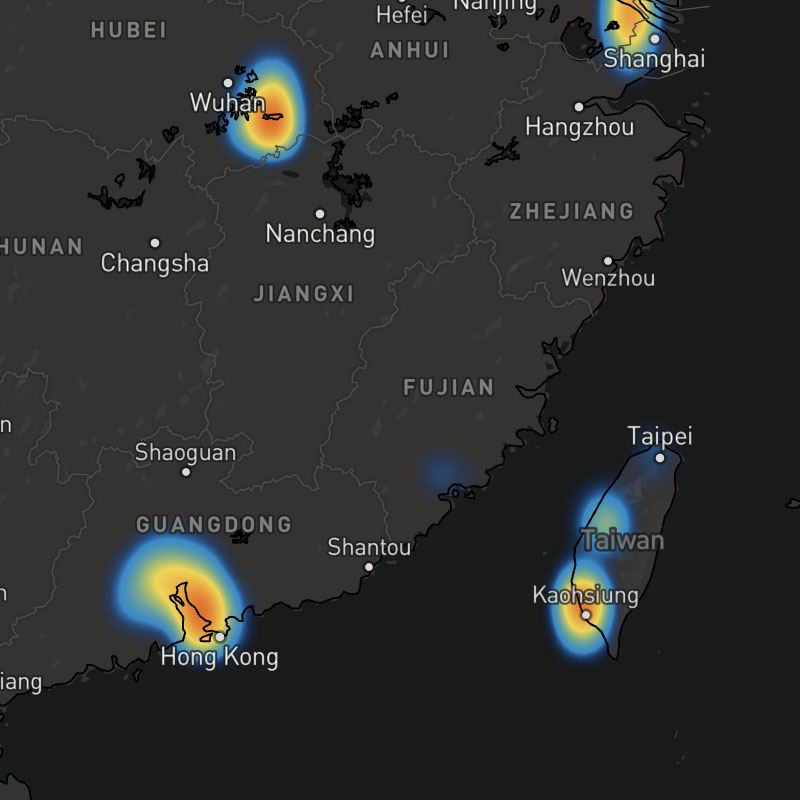
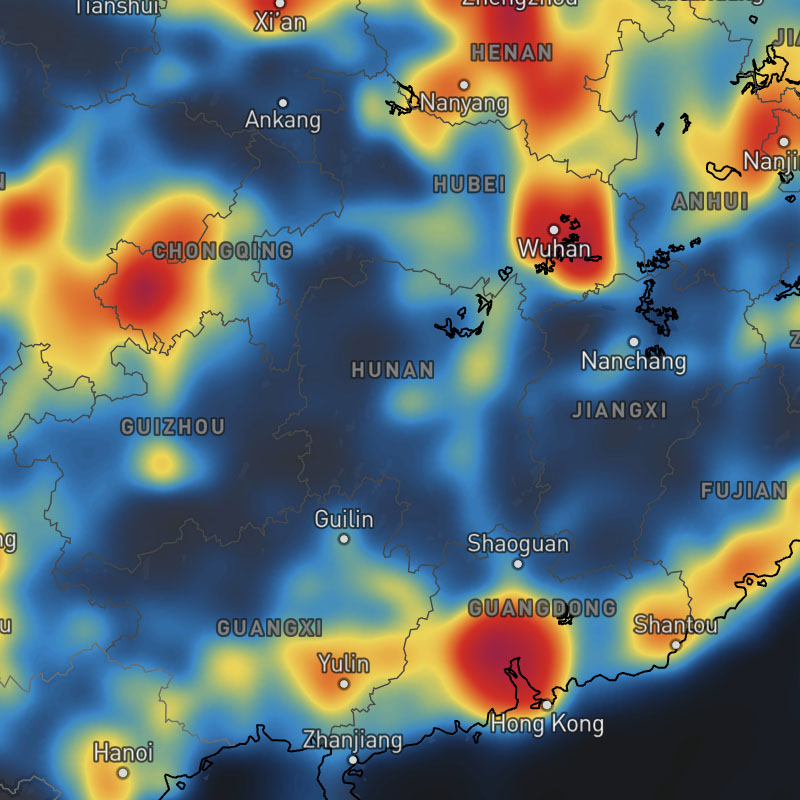
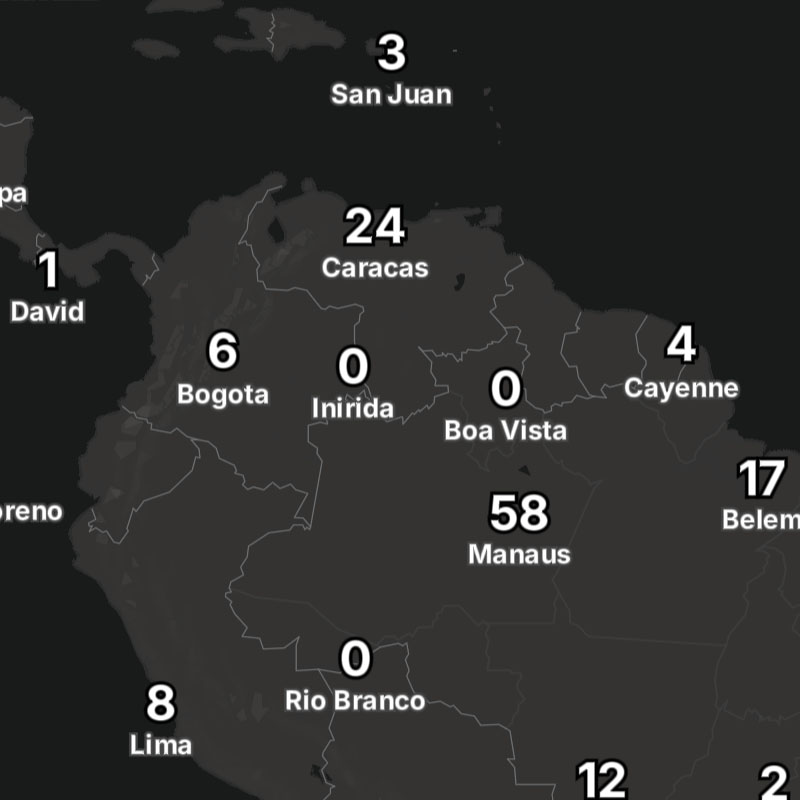
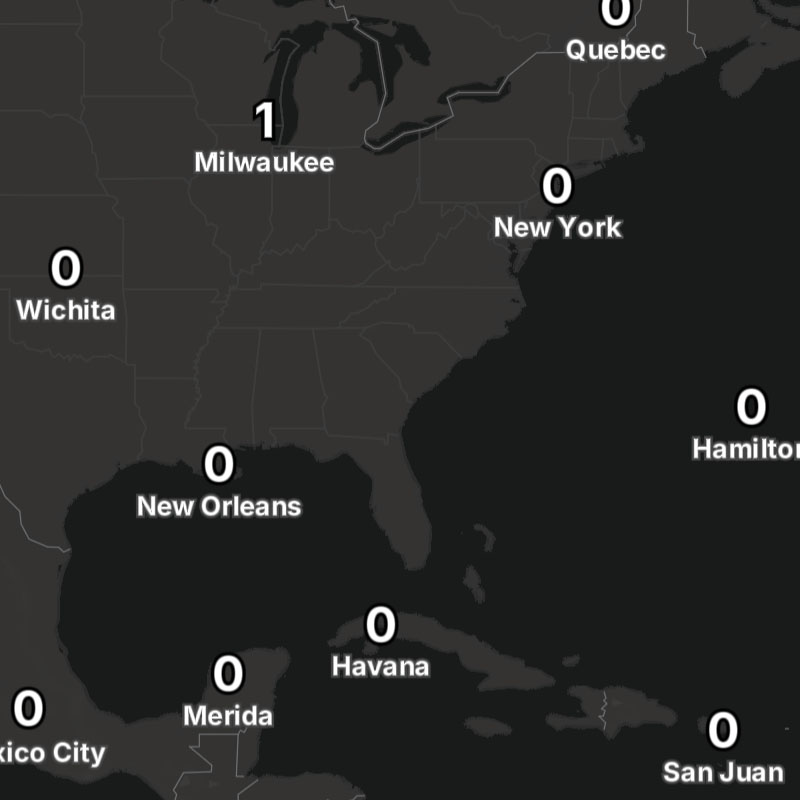
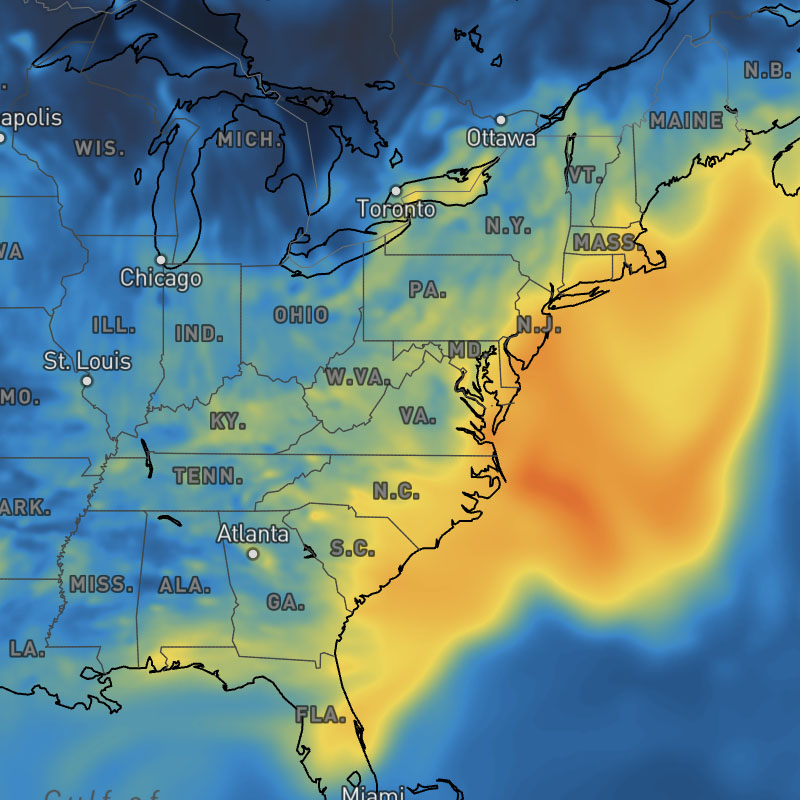
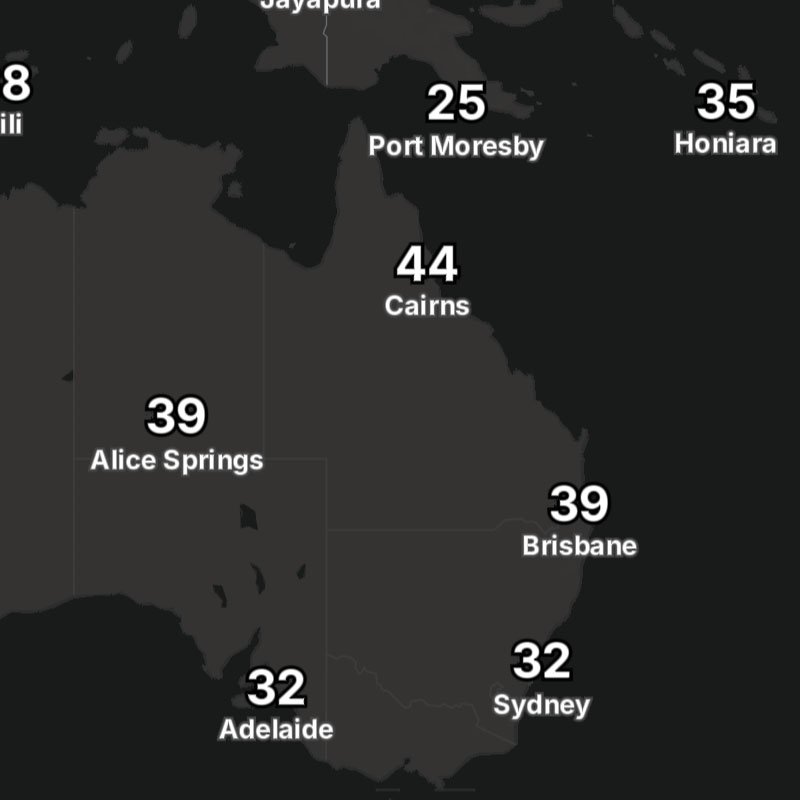
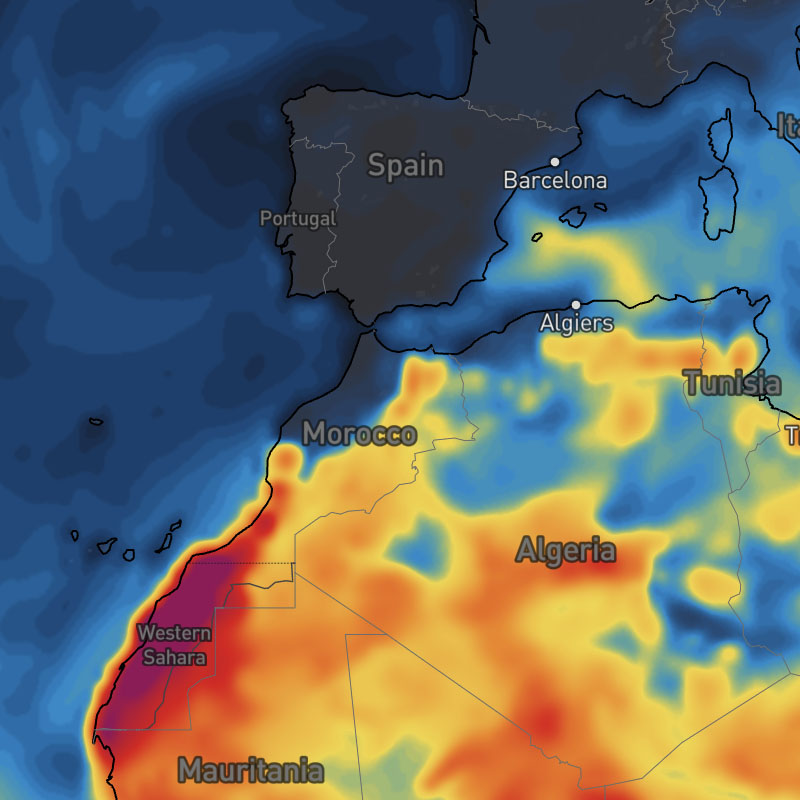
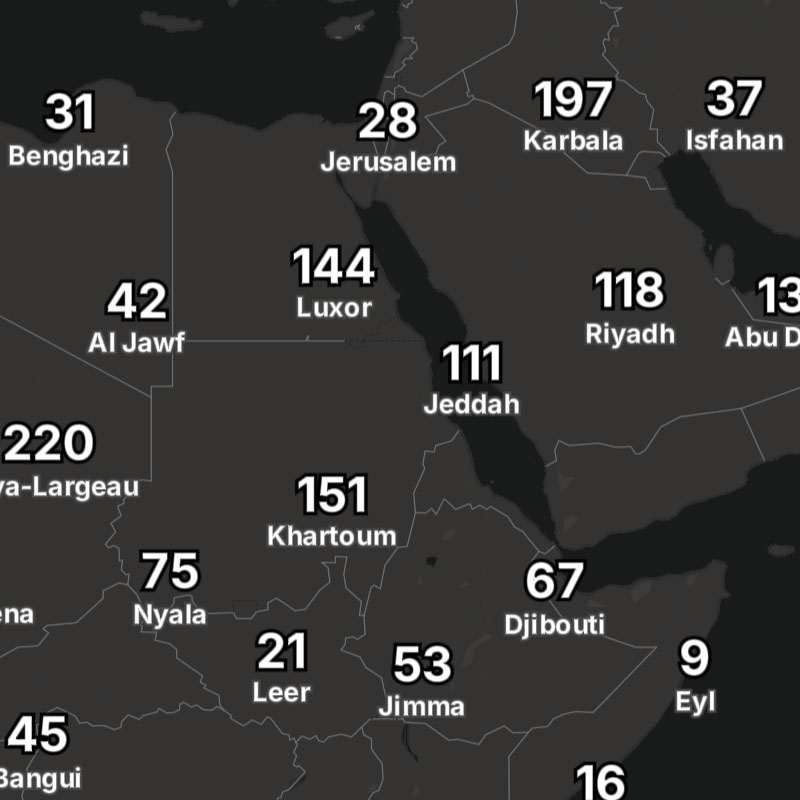
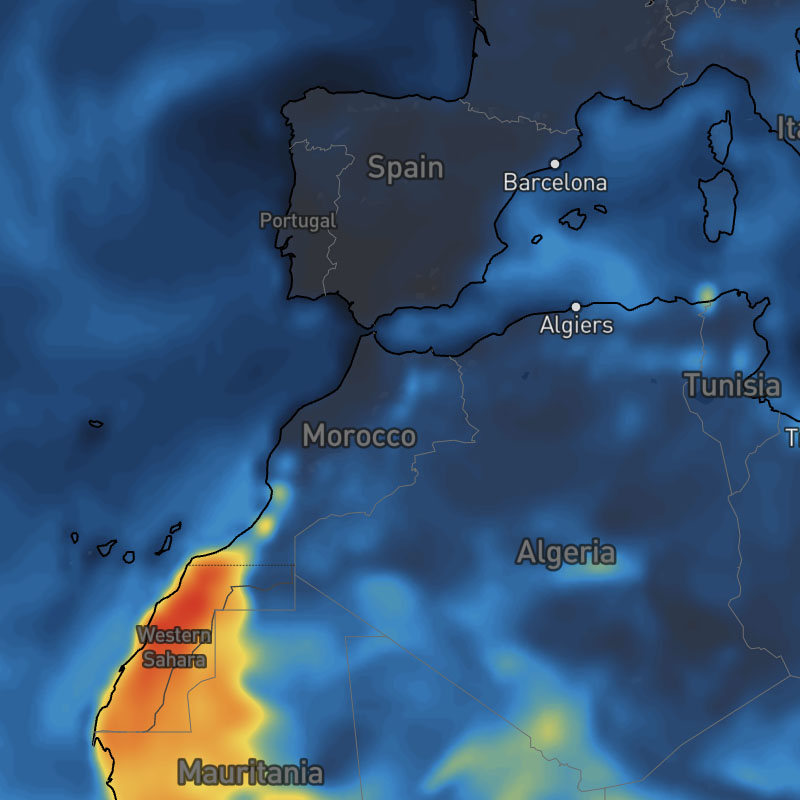
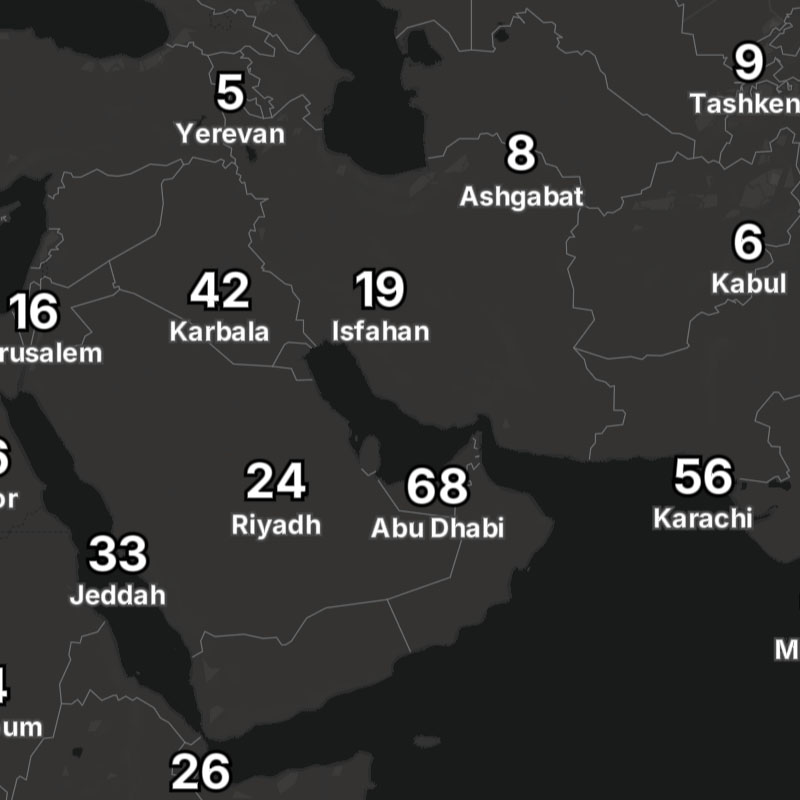
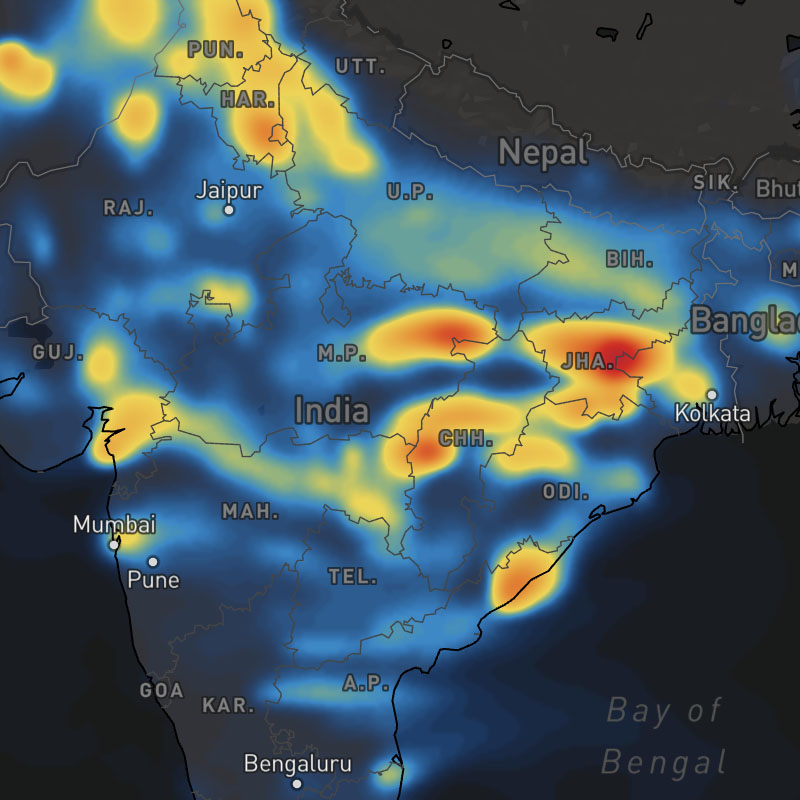
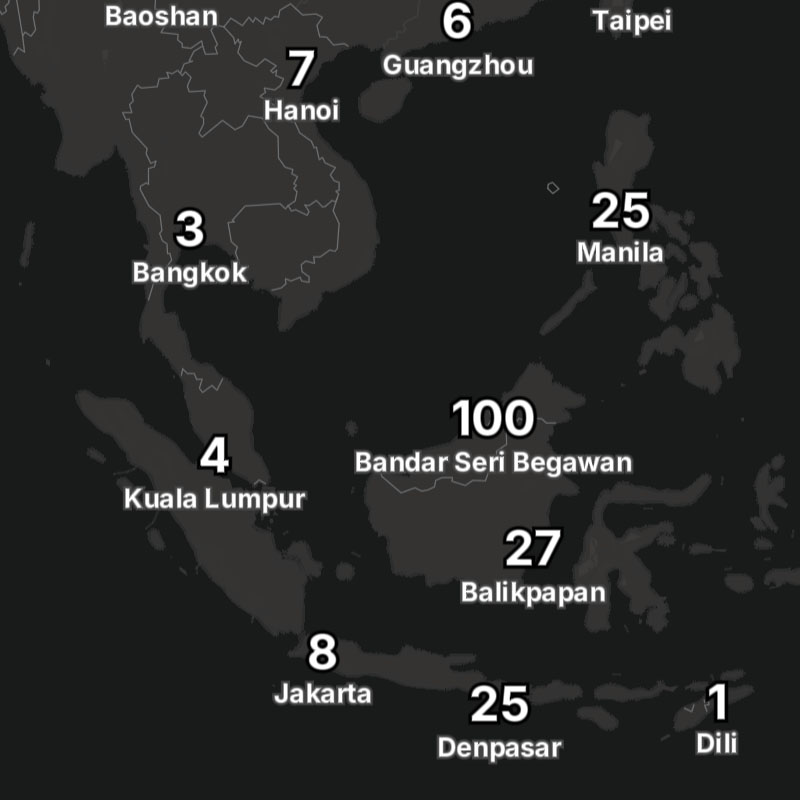
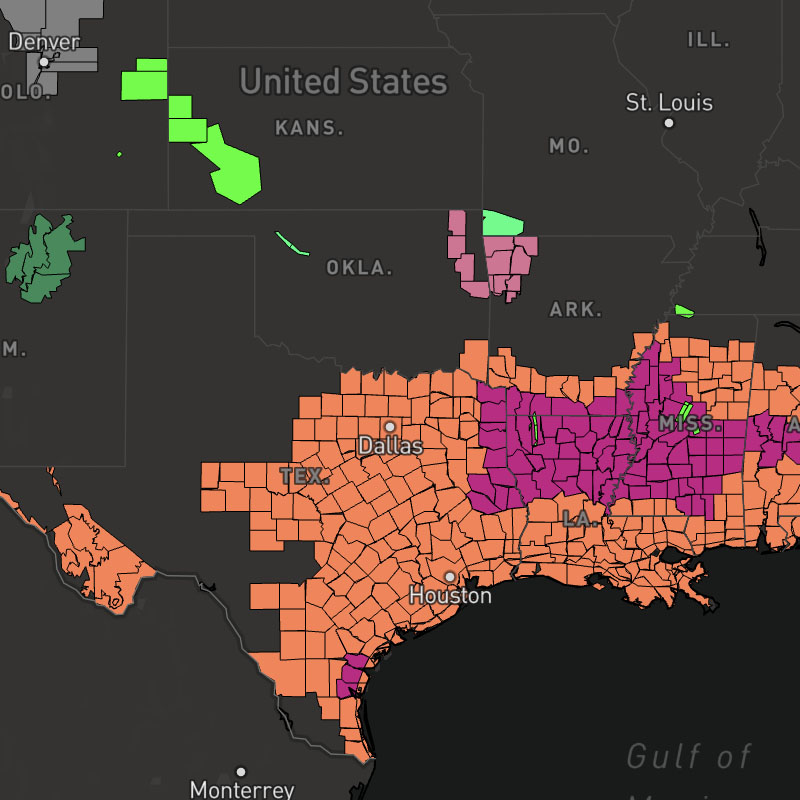
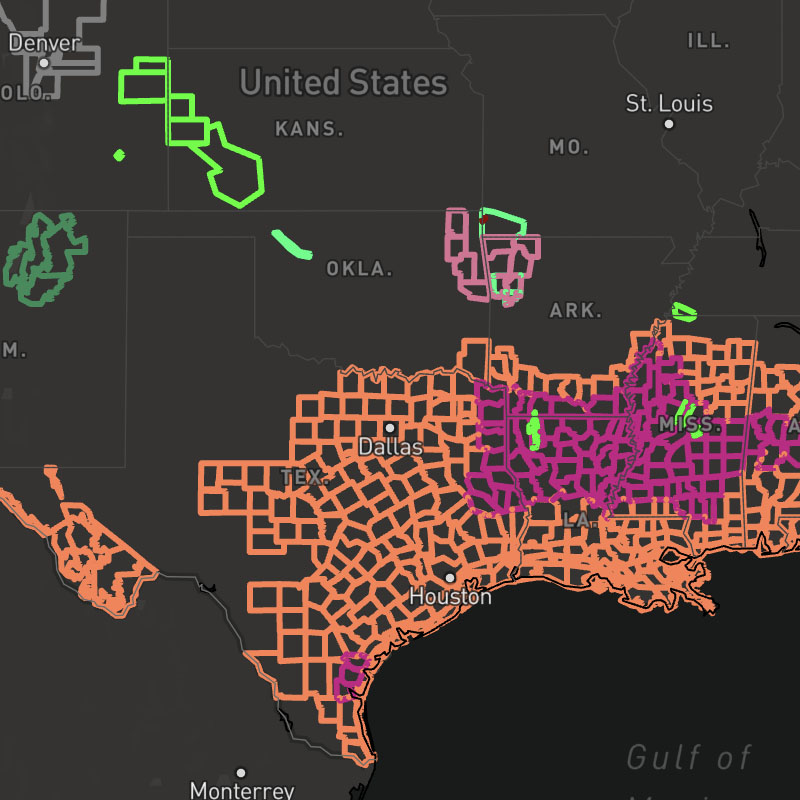
admin-2-boundaries, admin-3-4-boundaries, admin-5-6-boundaries, waterway-ocean-boundaries, waterway-lake-river-boundaries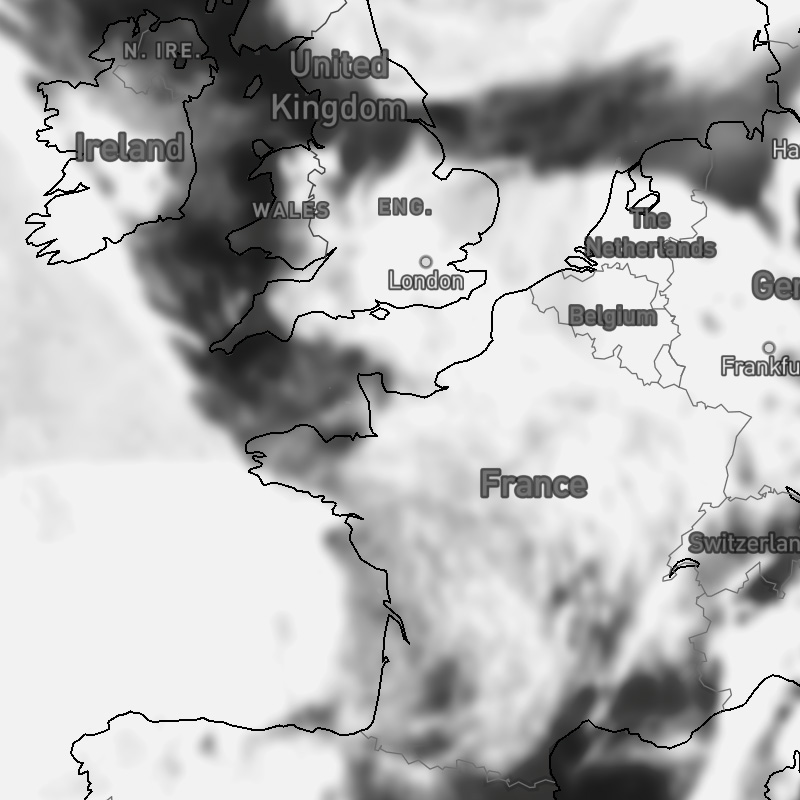
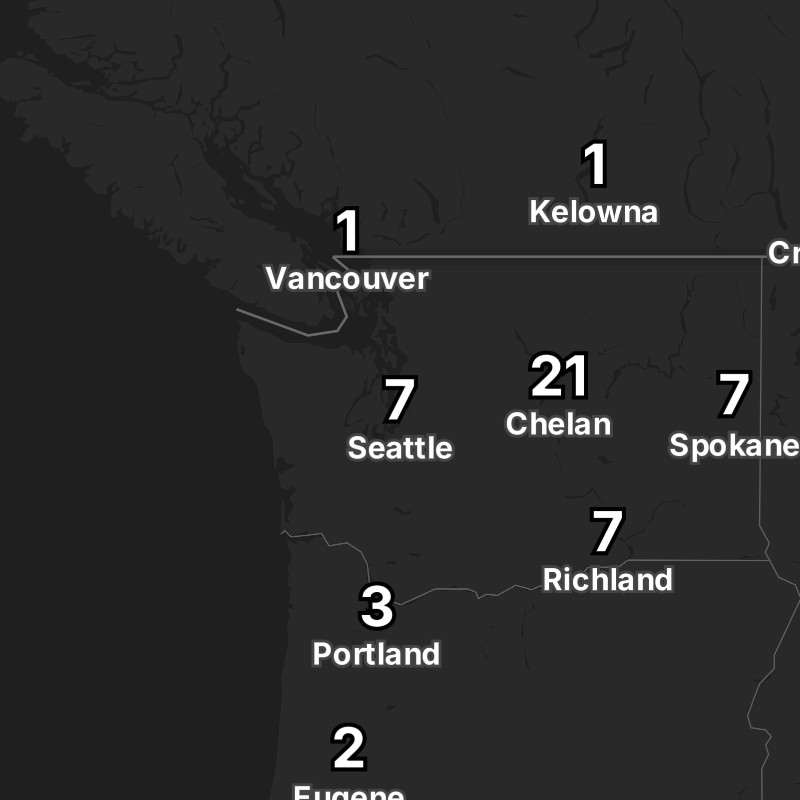
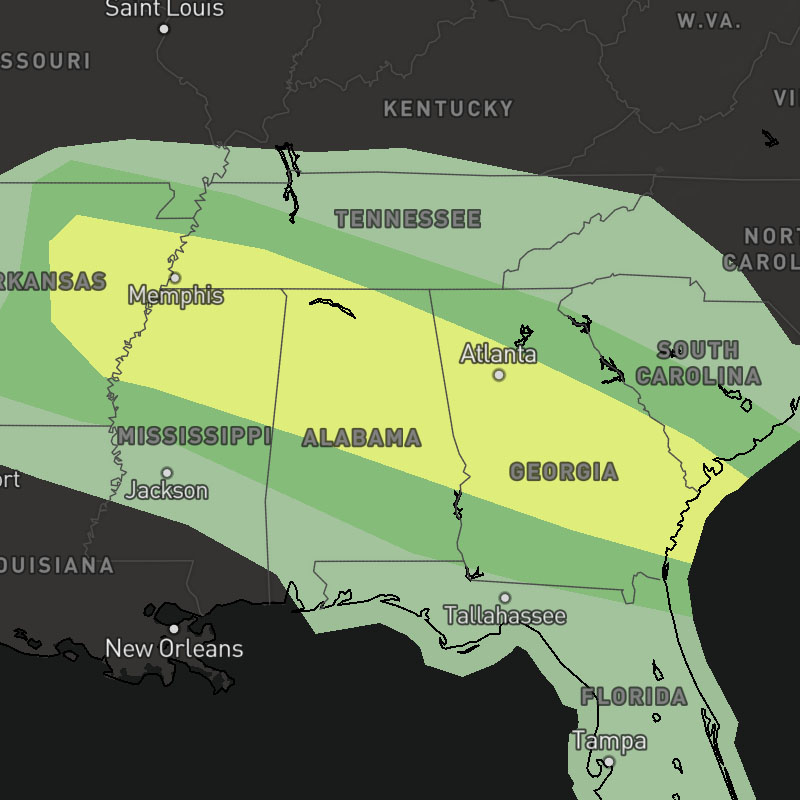
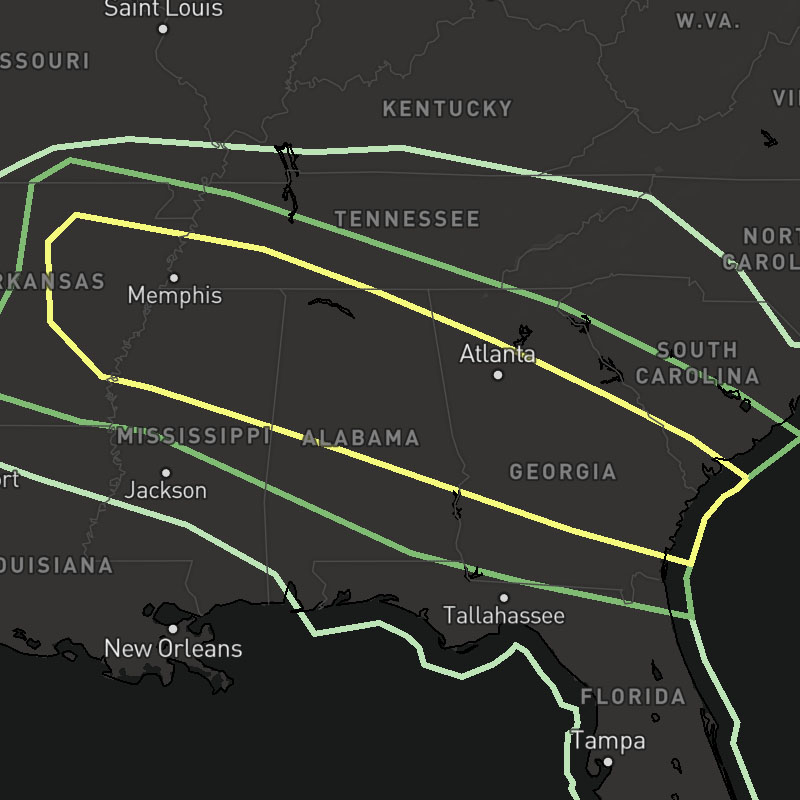
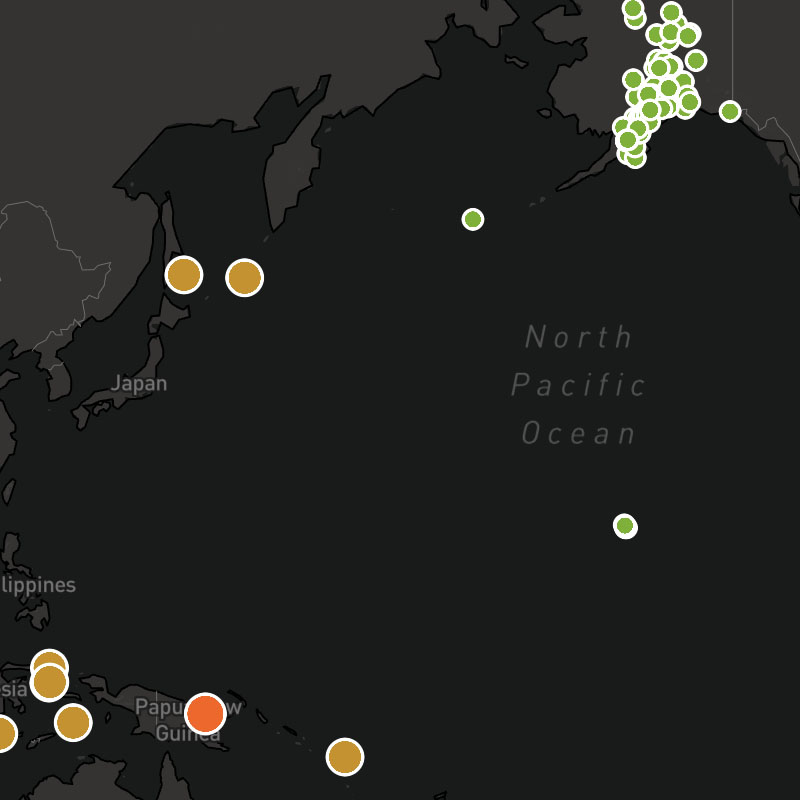
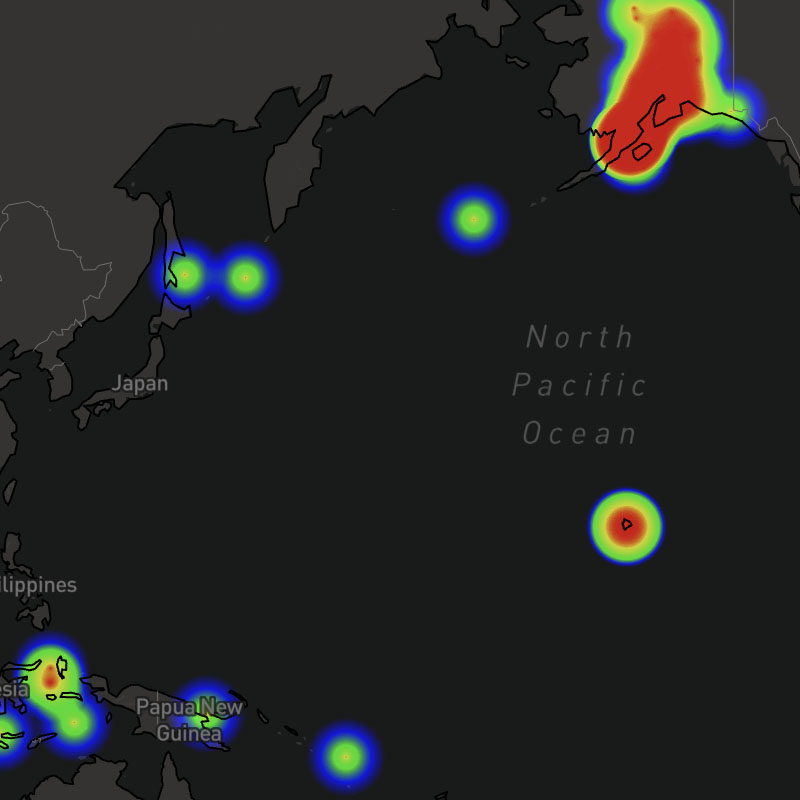
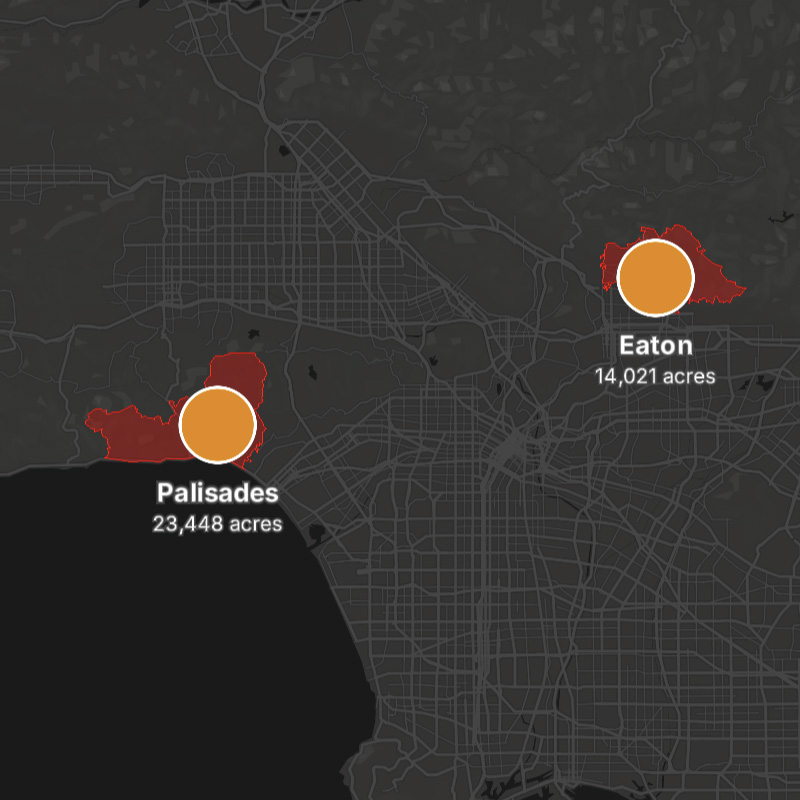
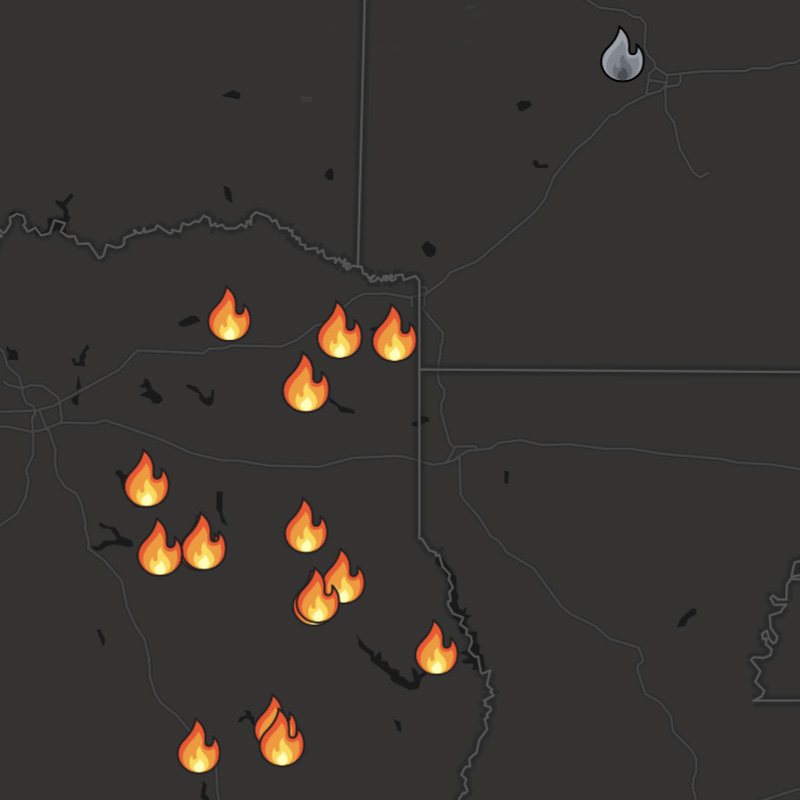
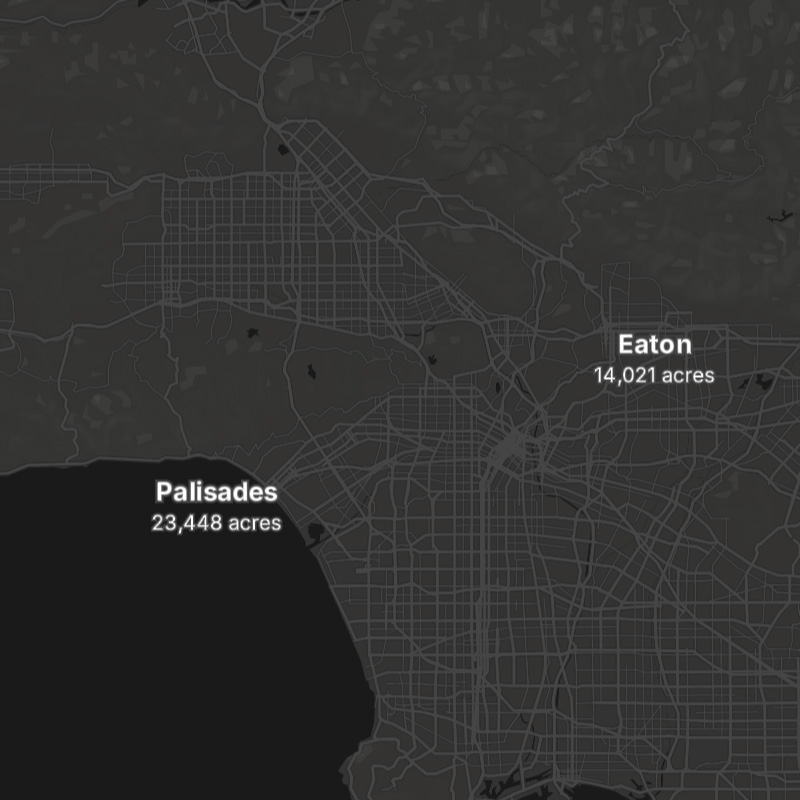
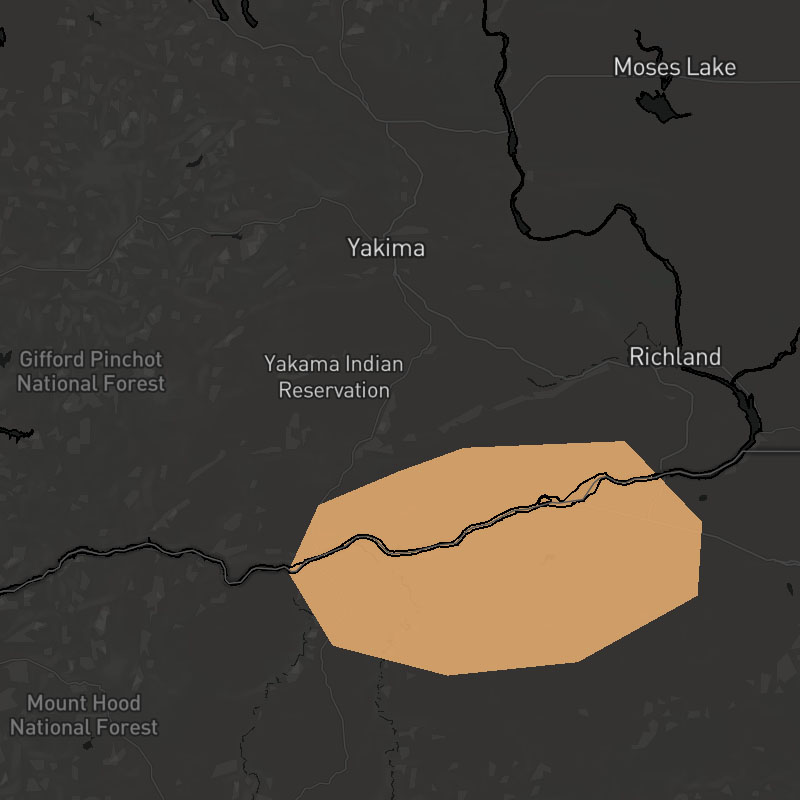
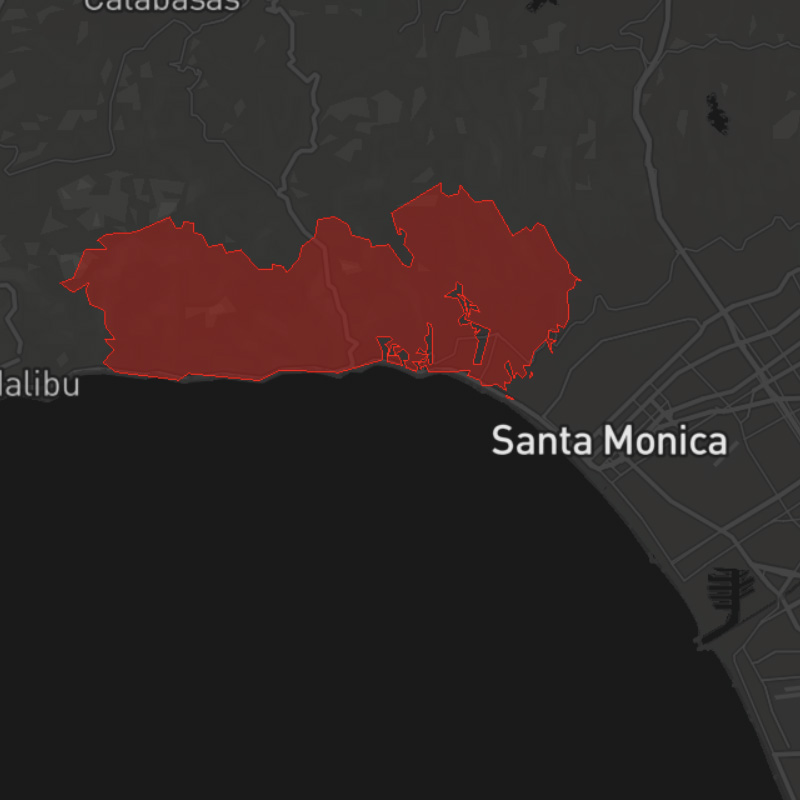
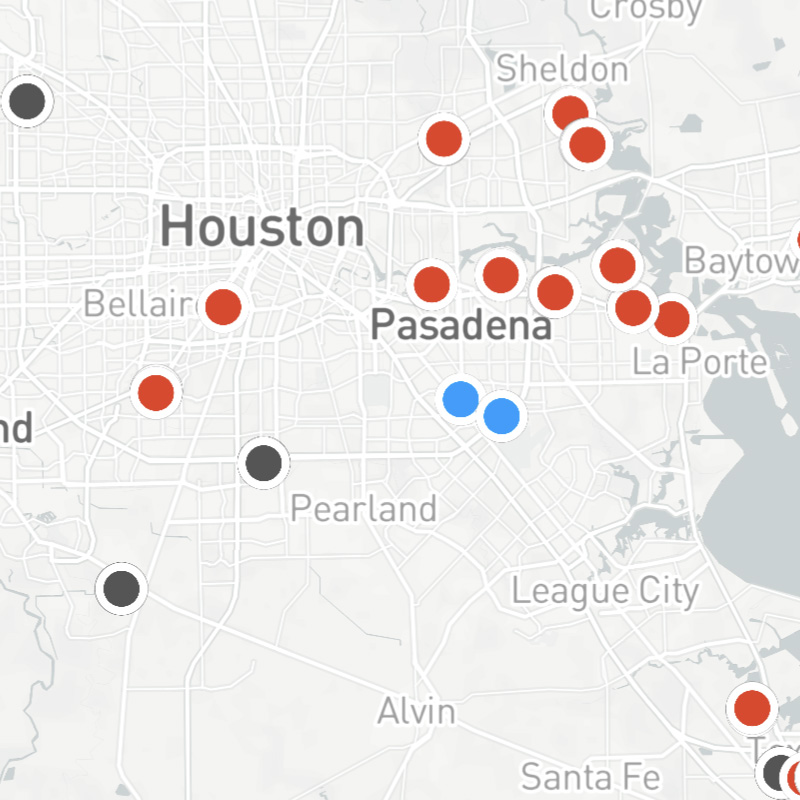
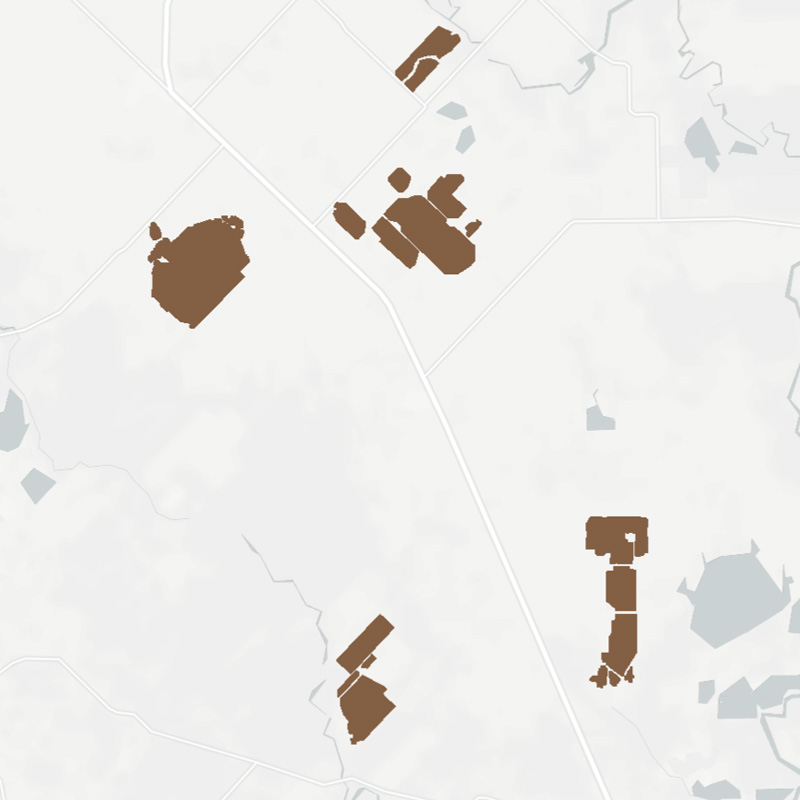
fires-obs, fires-obs-names, fires-perimeter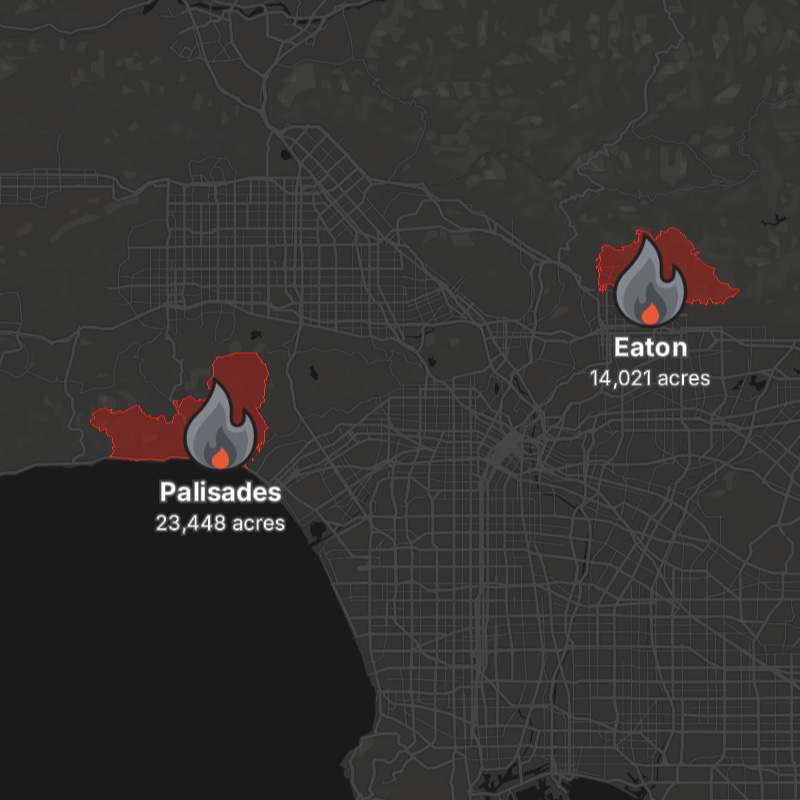
fires-obs-icons, fires-obs-names, fires-perimeter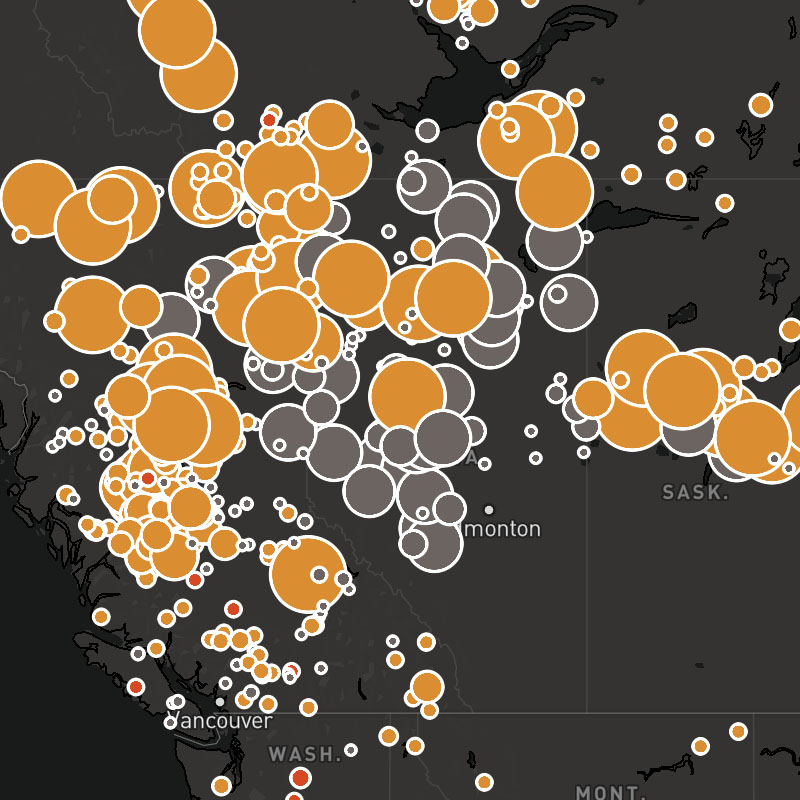
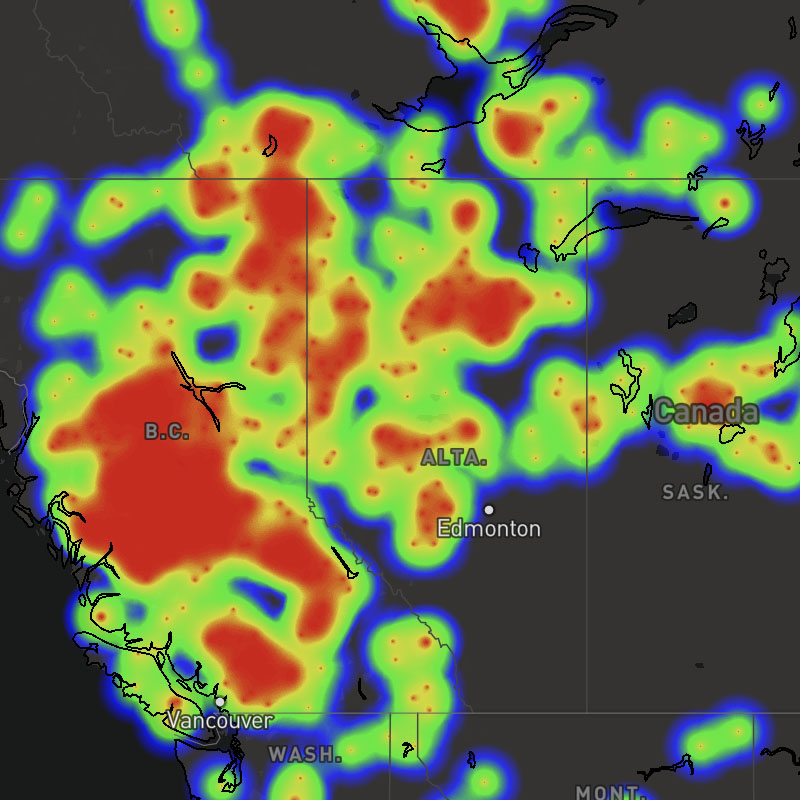
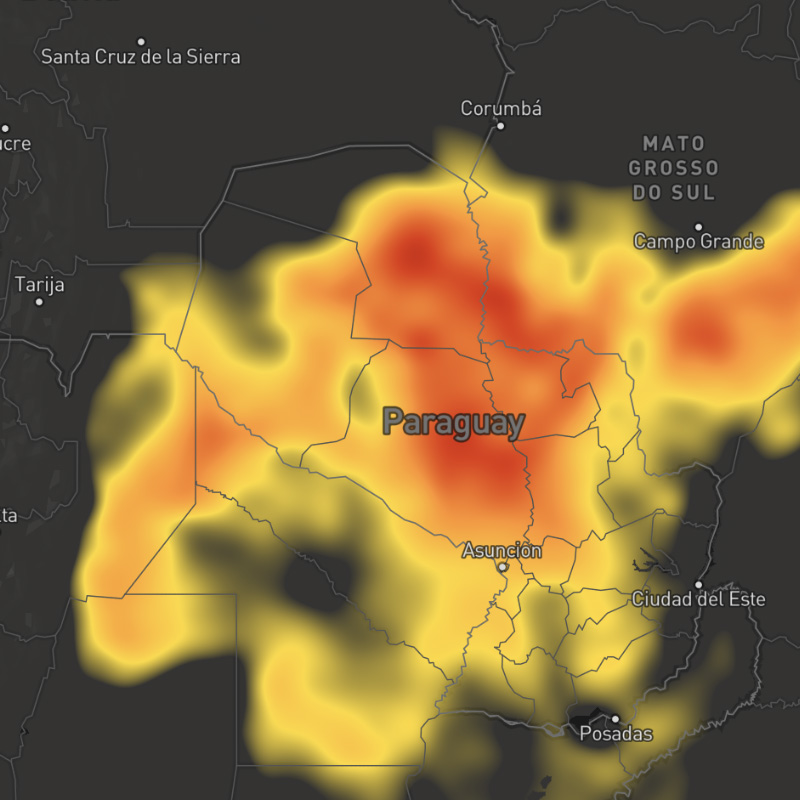
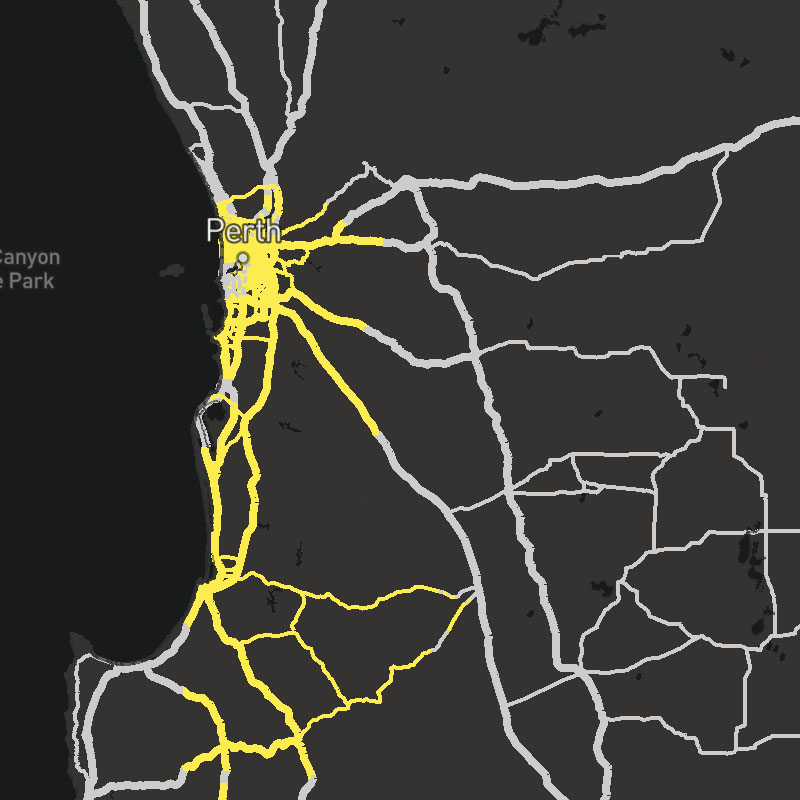
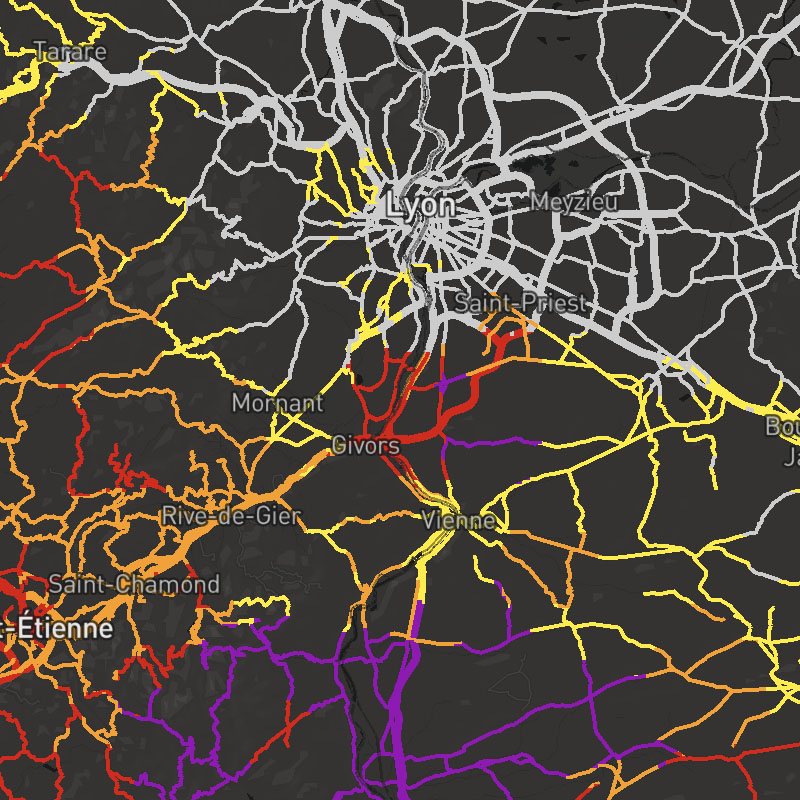
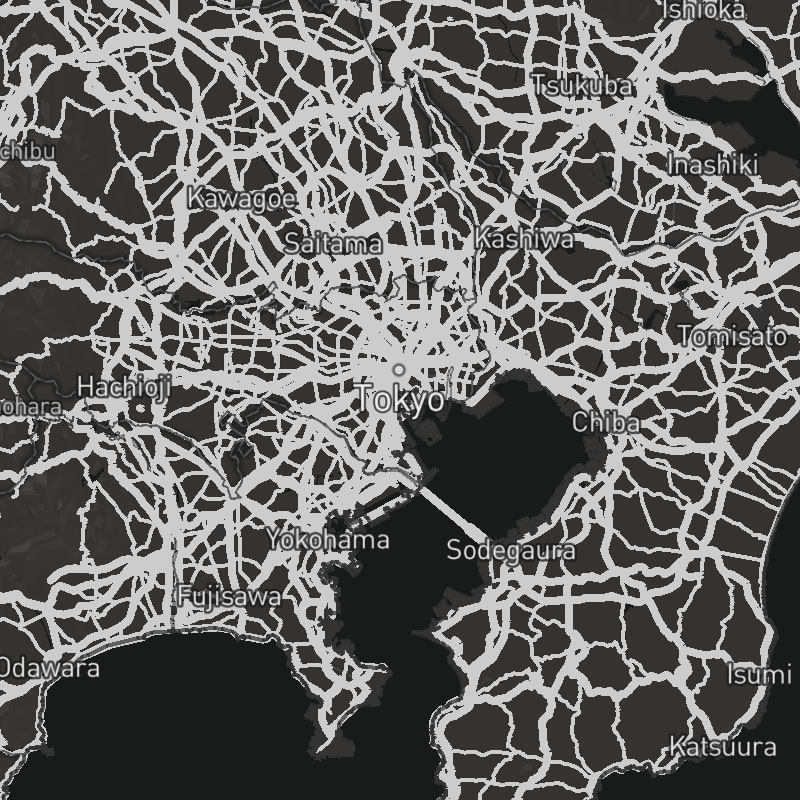
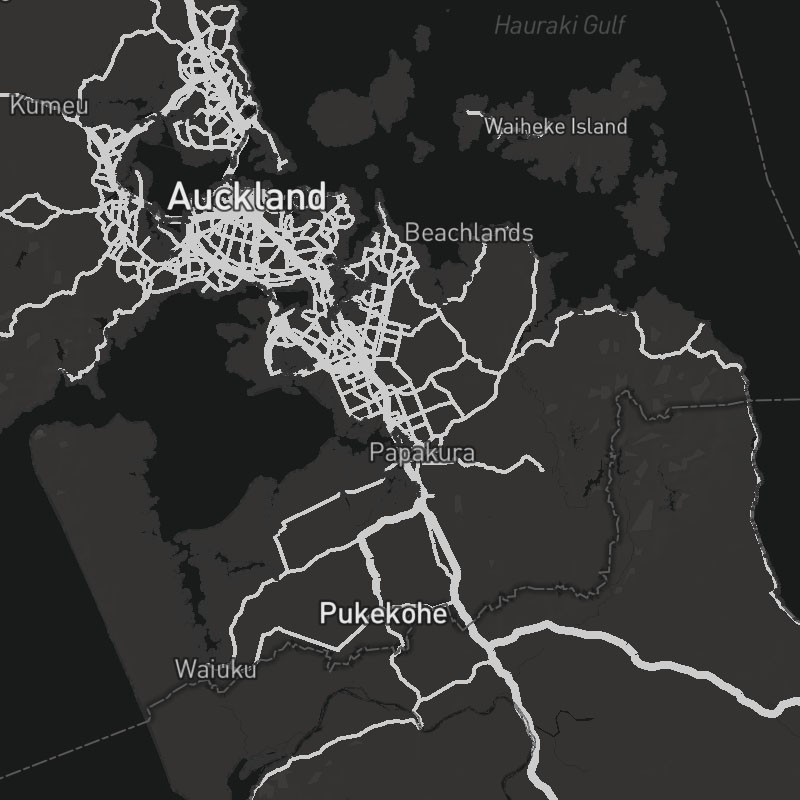
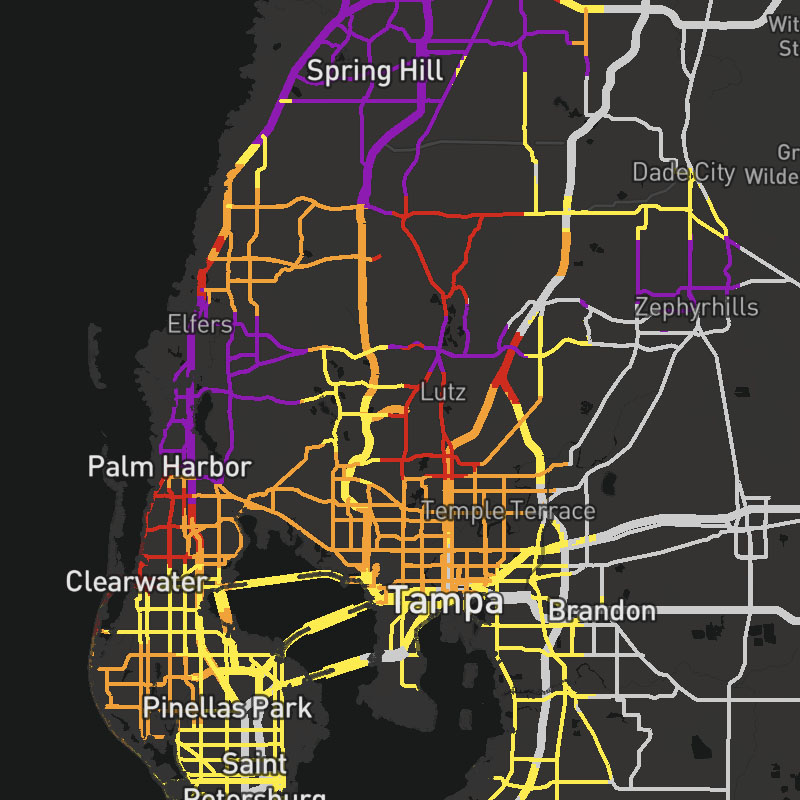
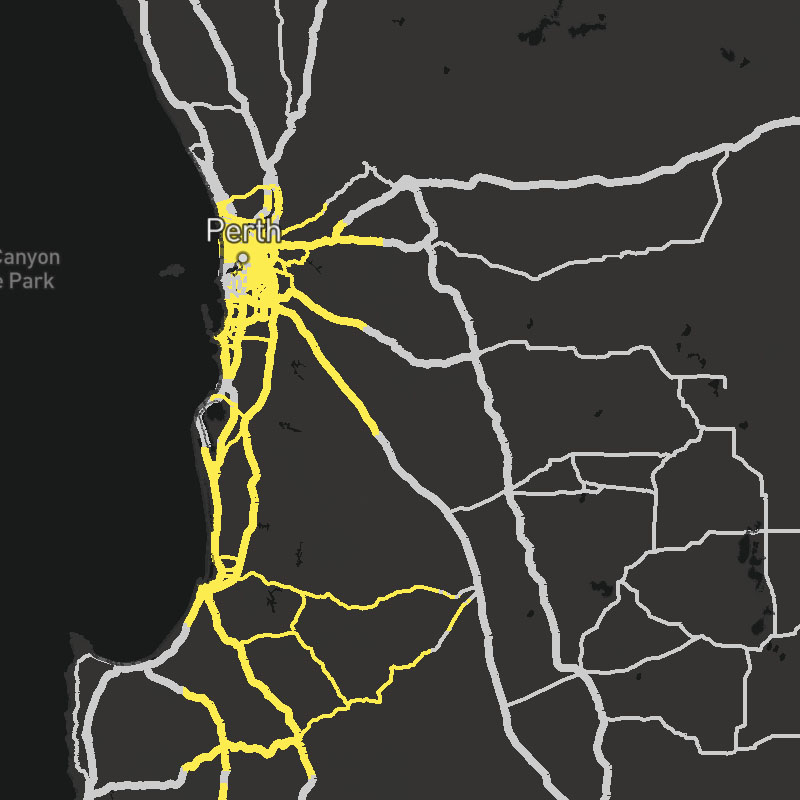
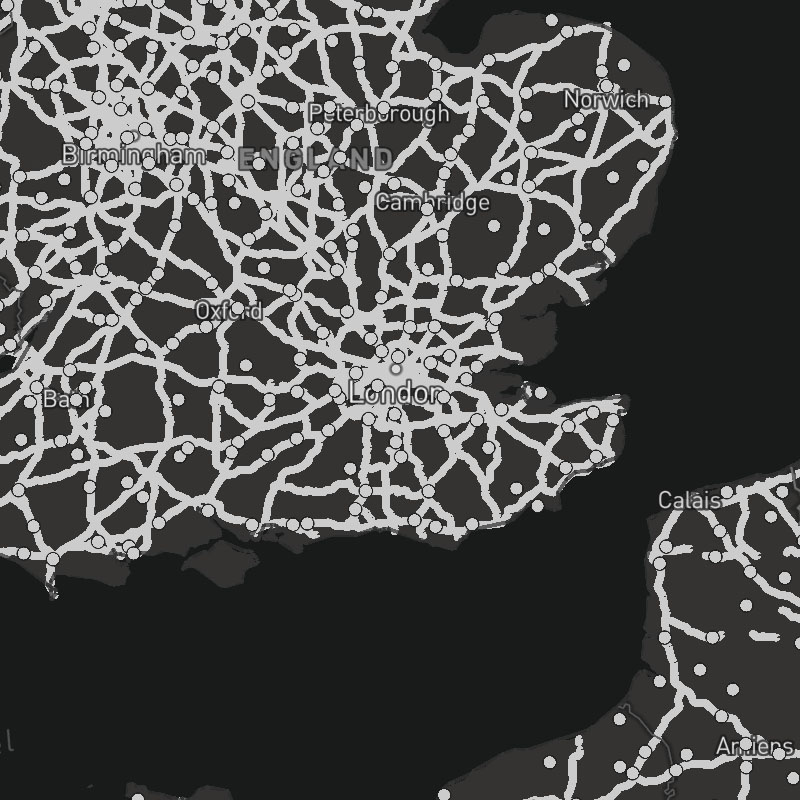
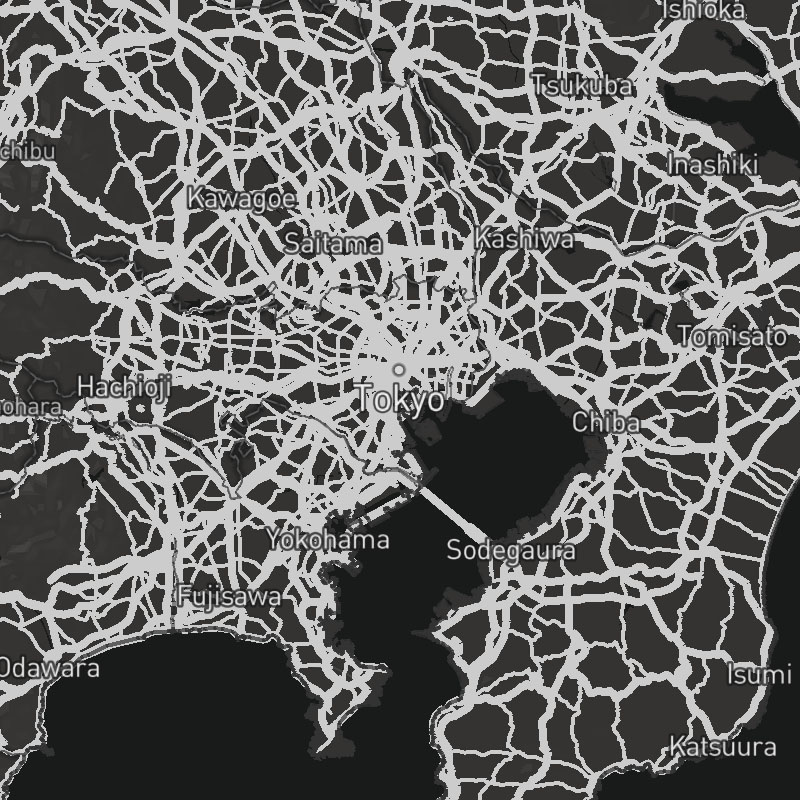
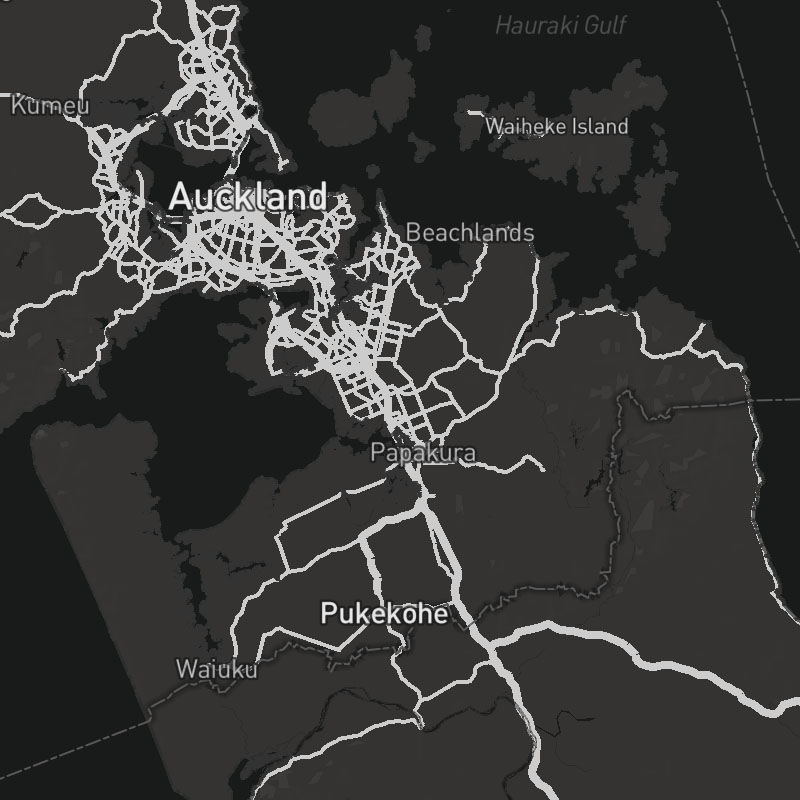
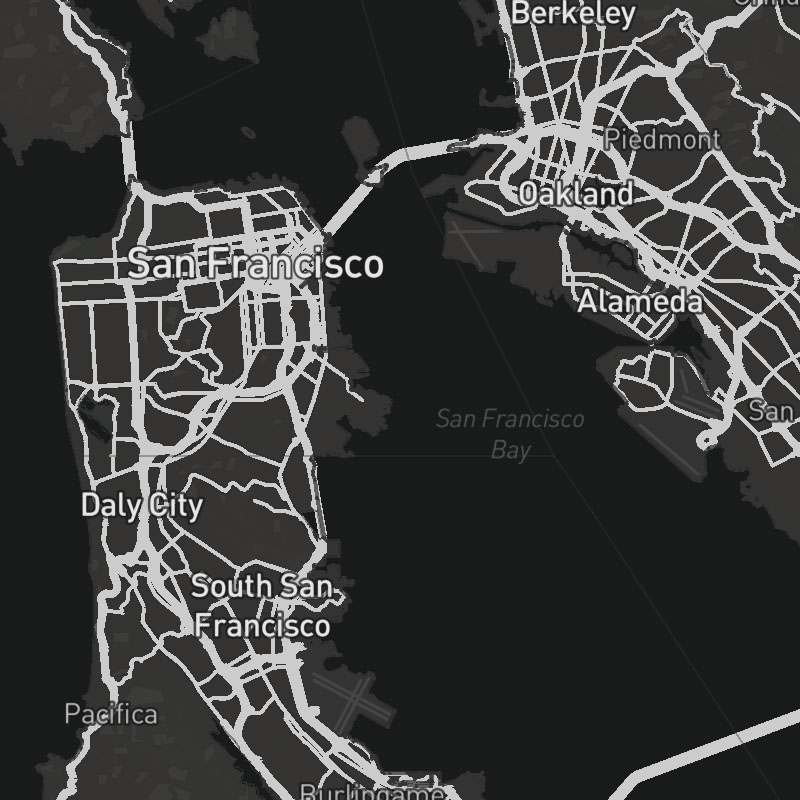
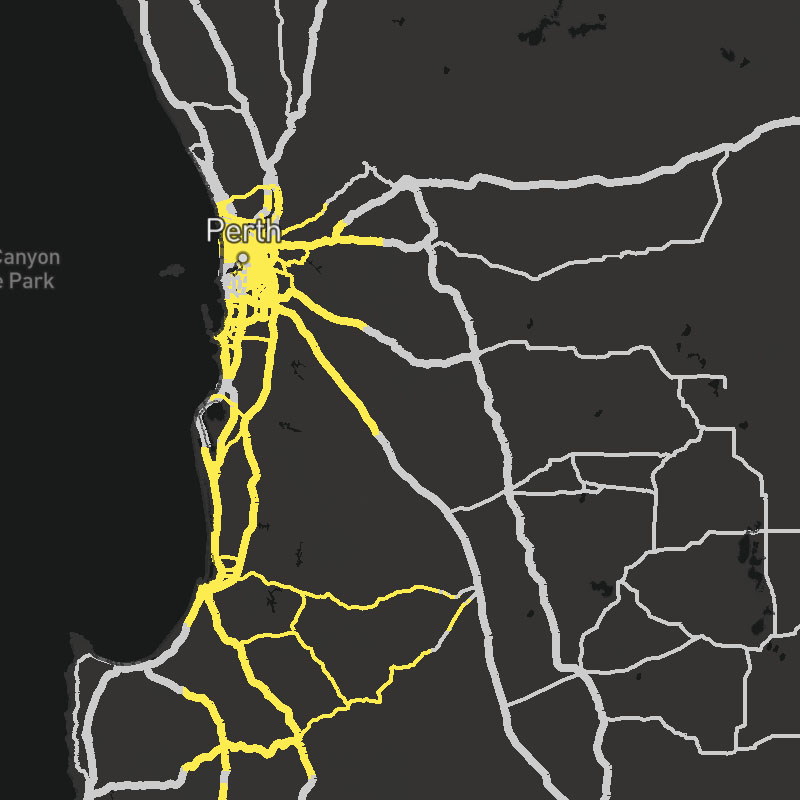
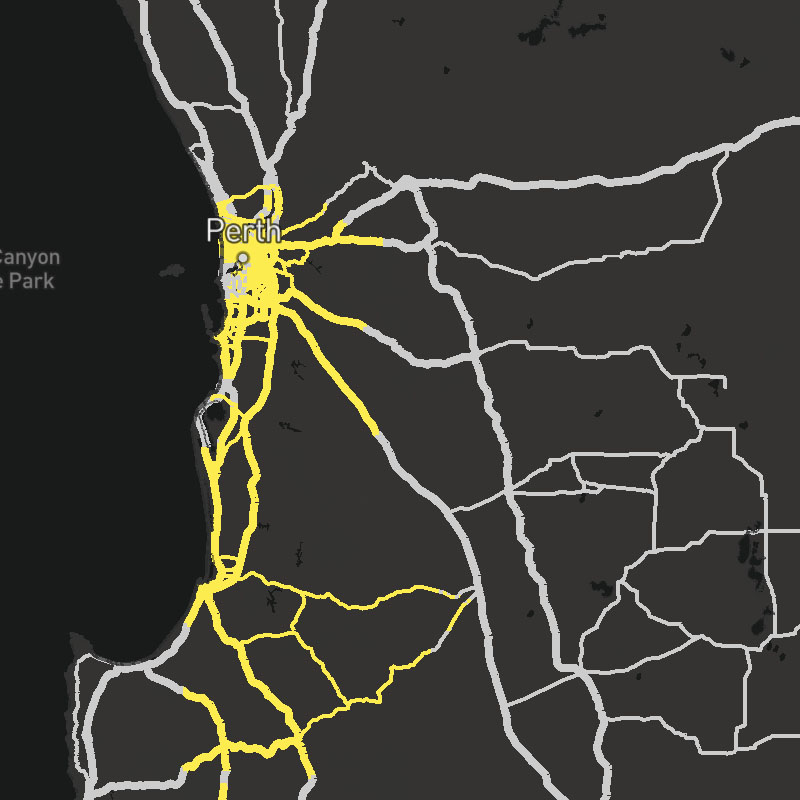
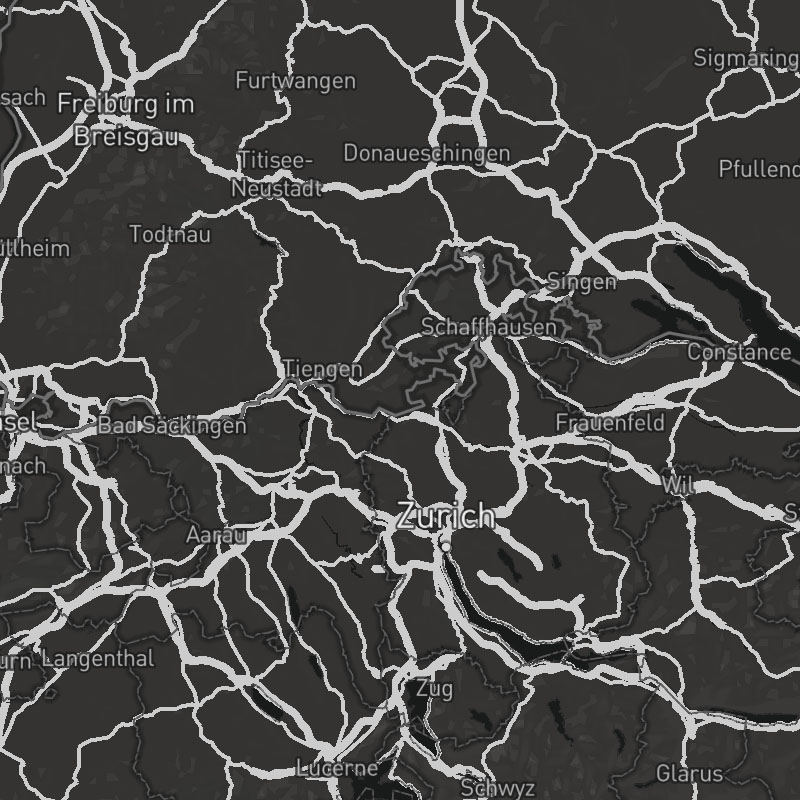
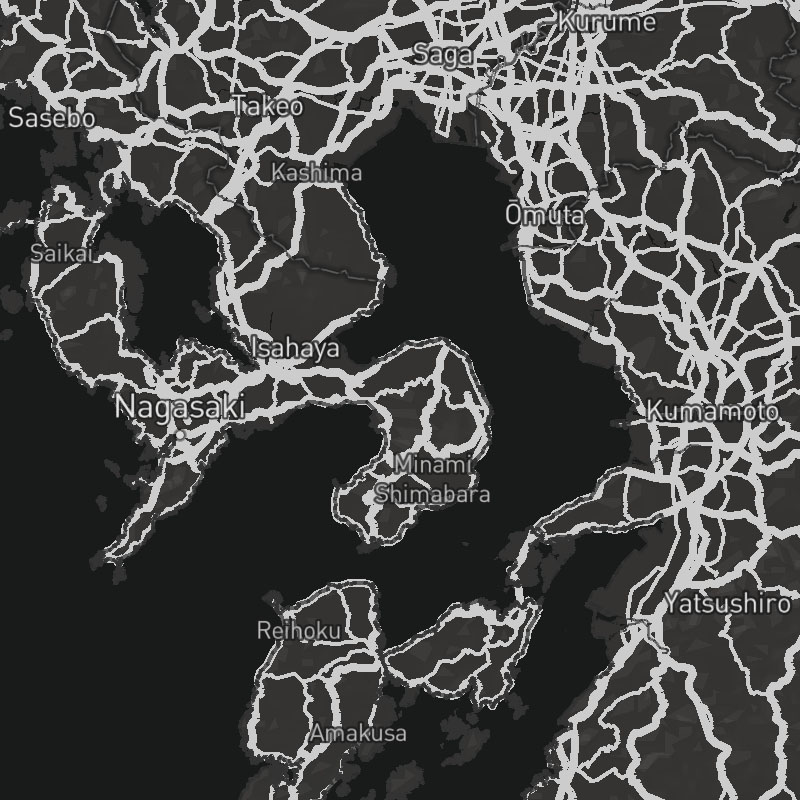
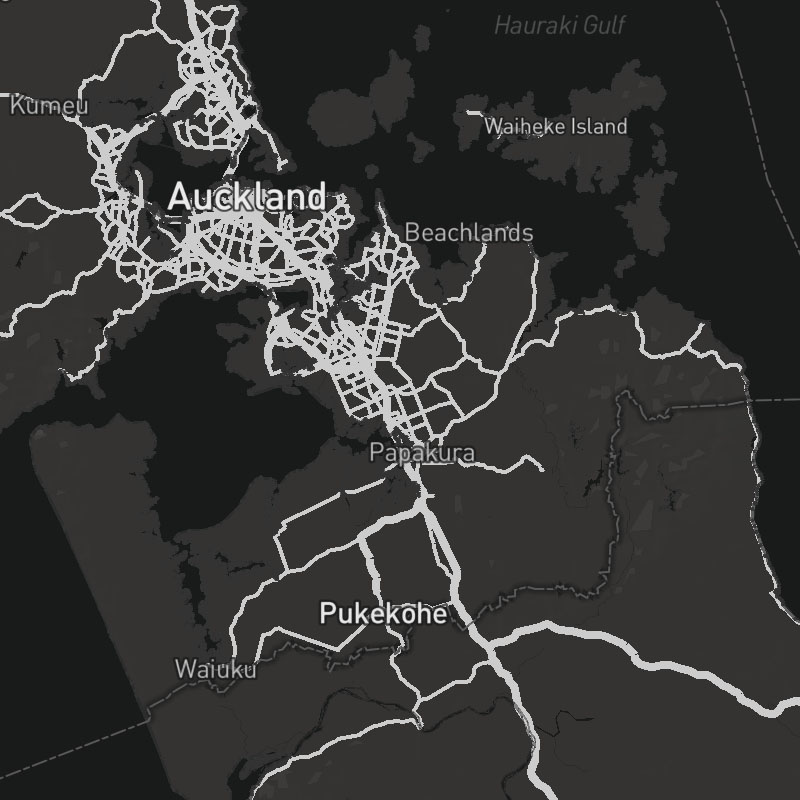
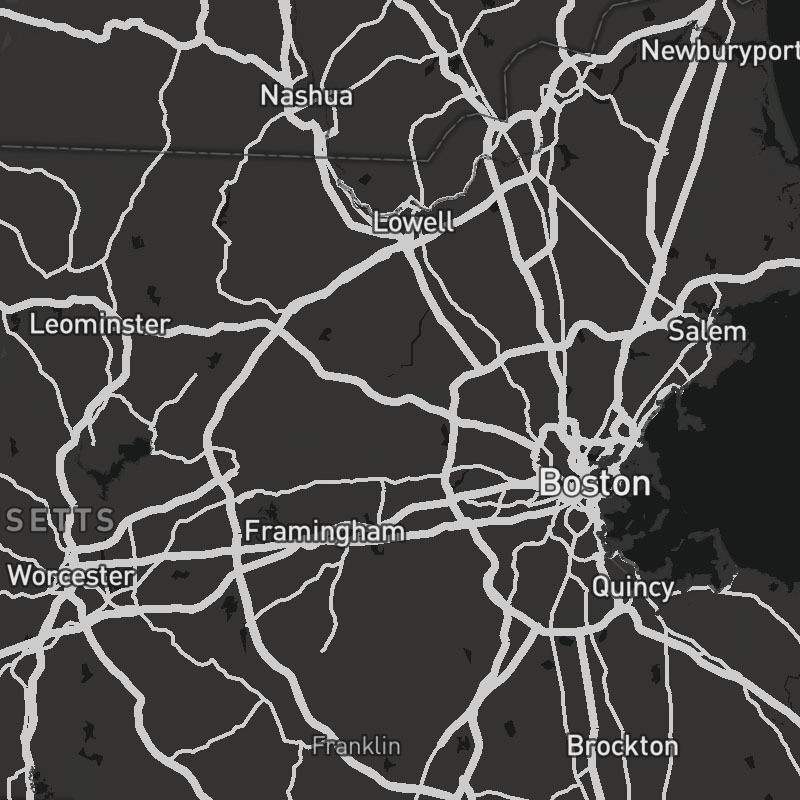
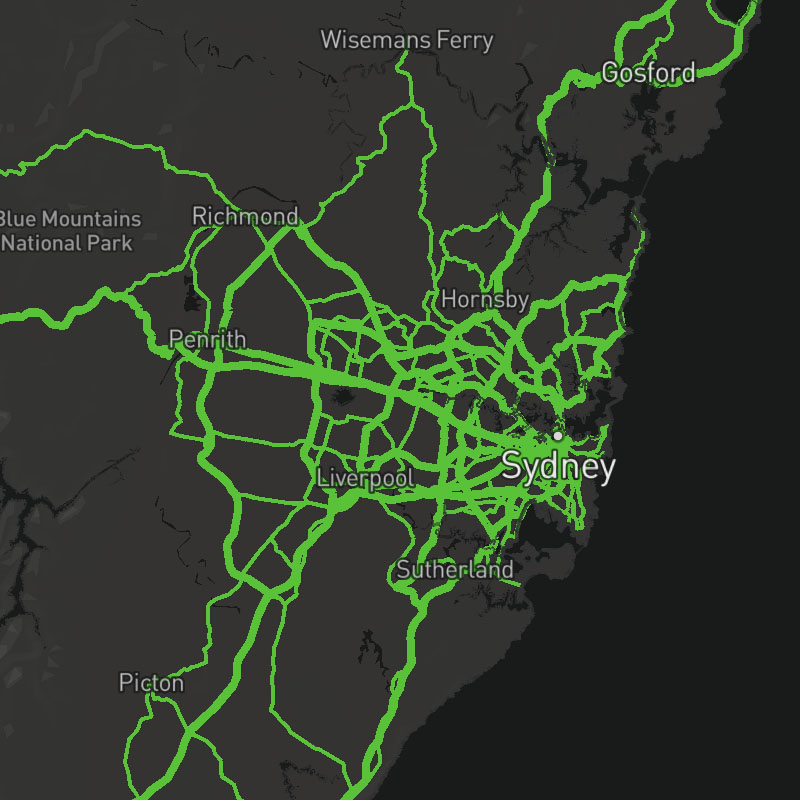
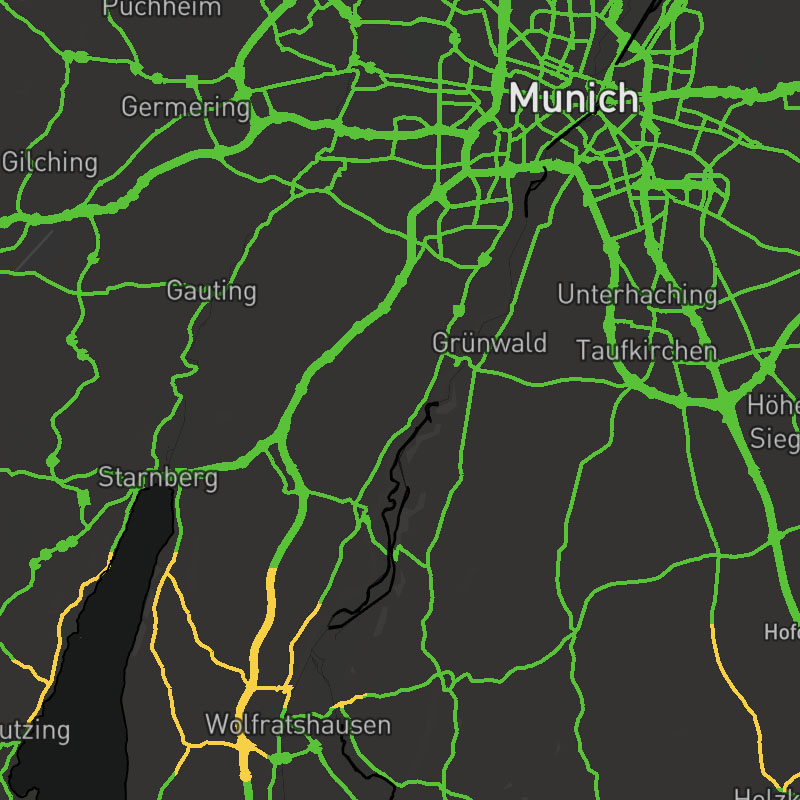
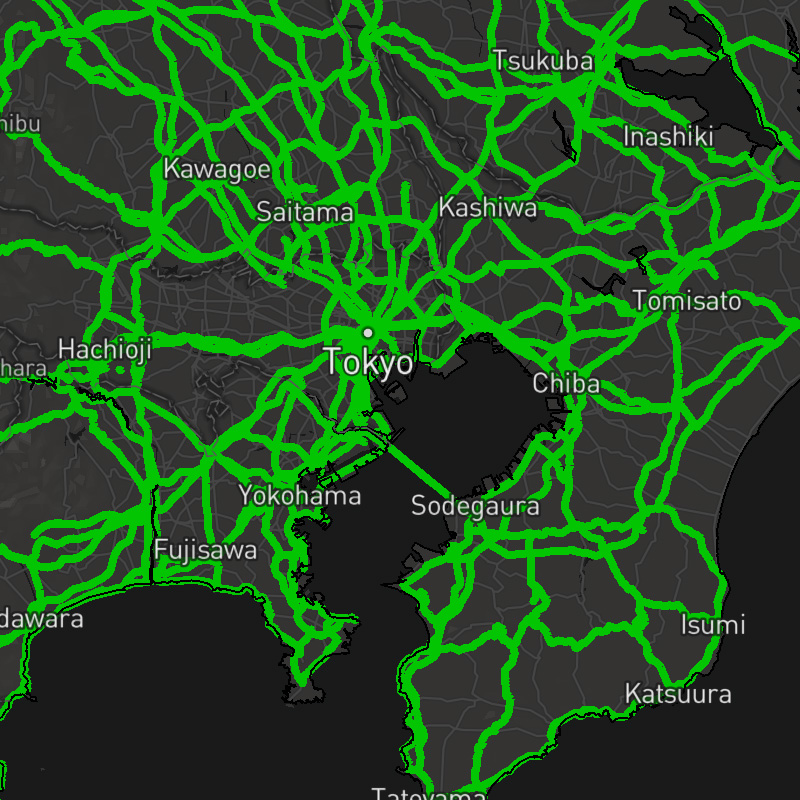
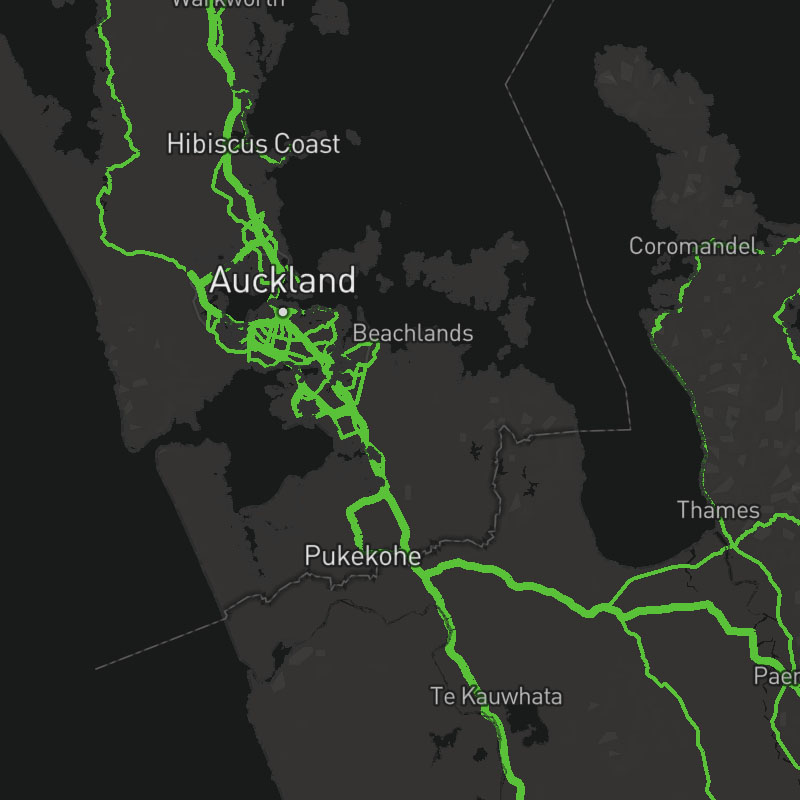
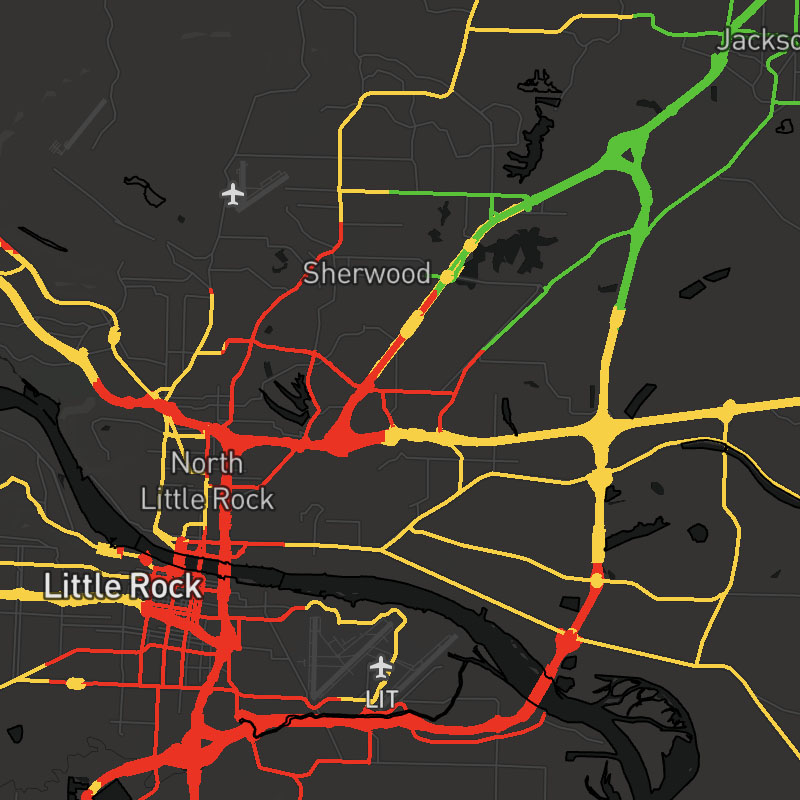
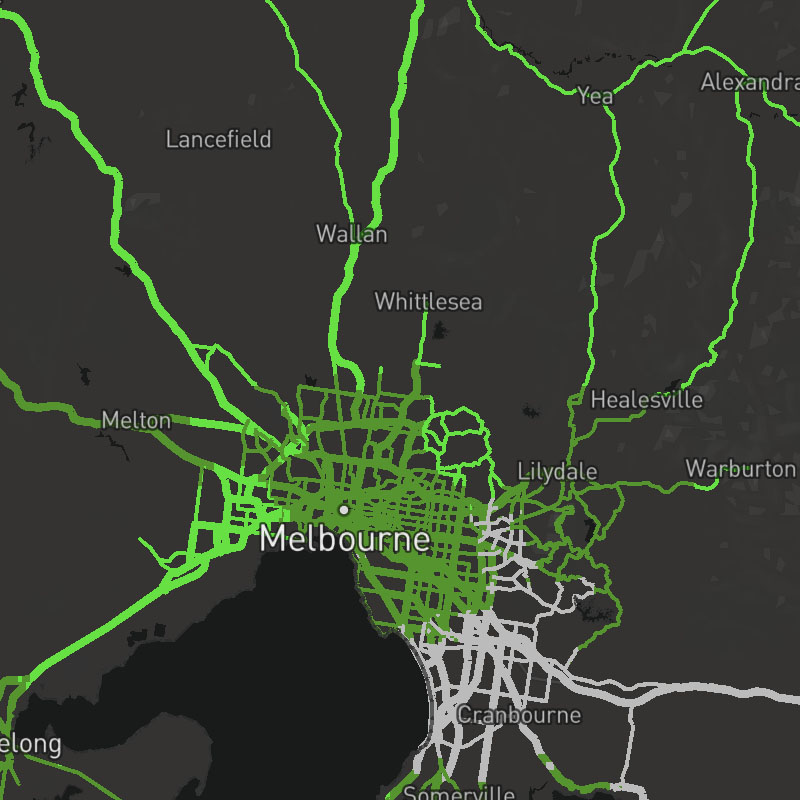
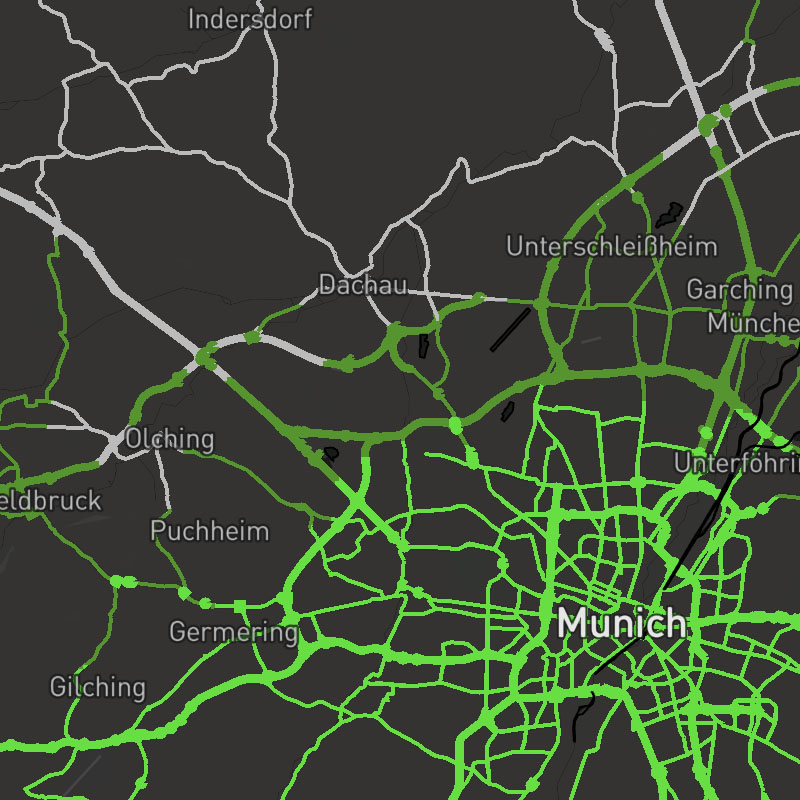
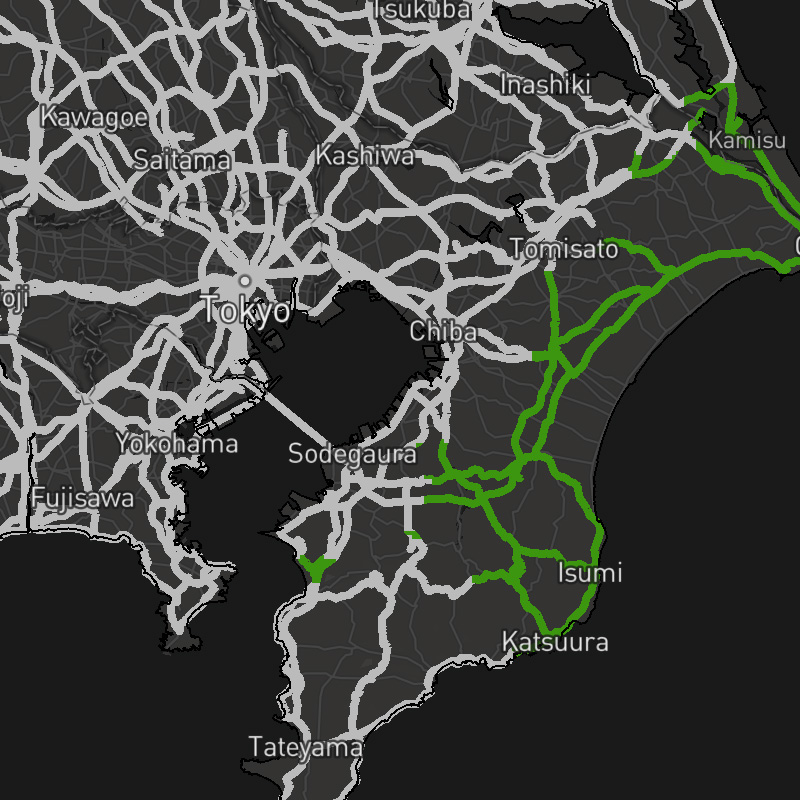
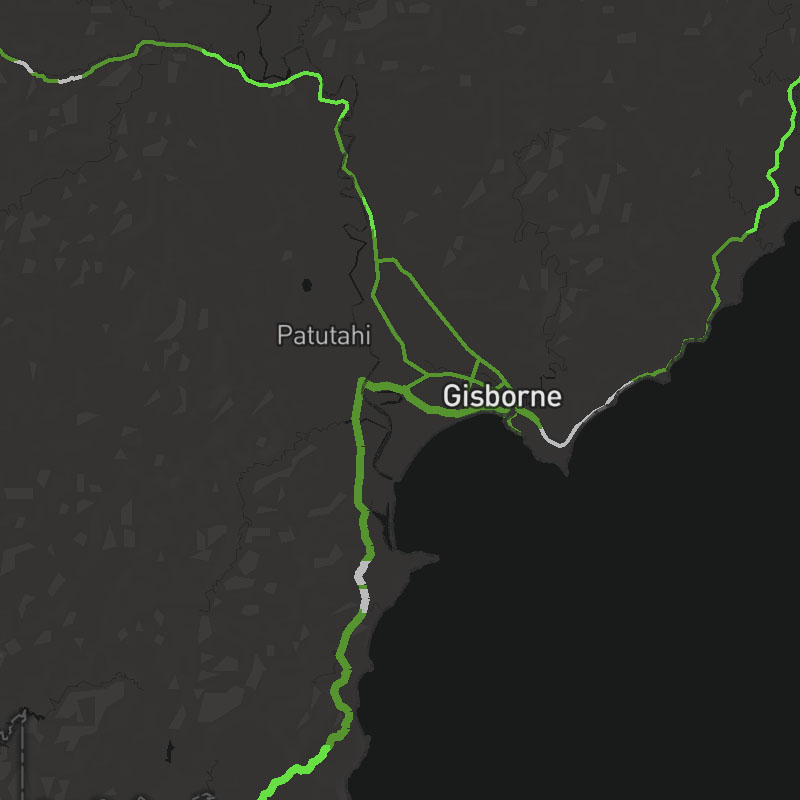
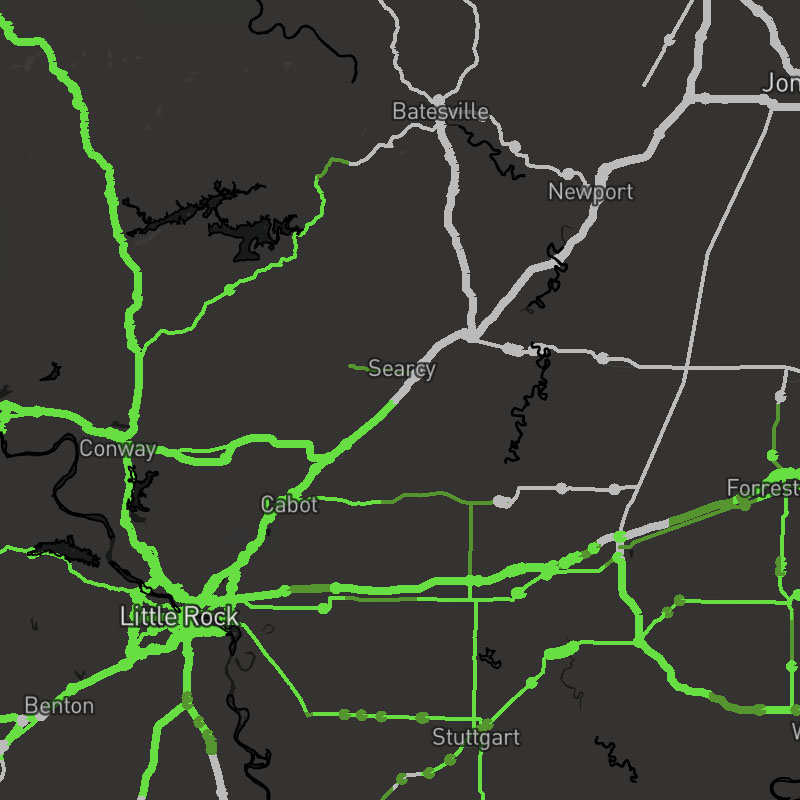
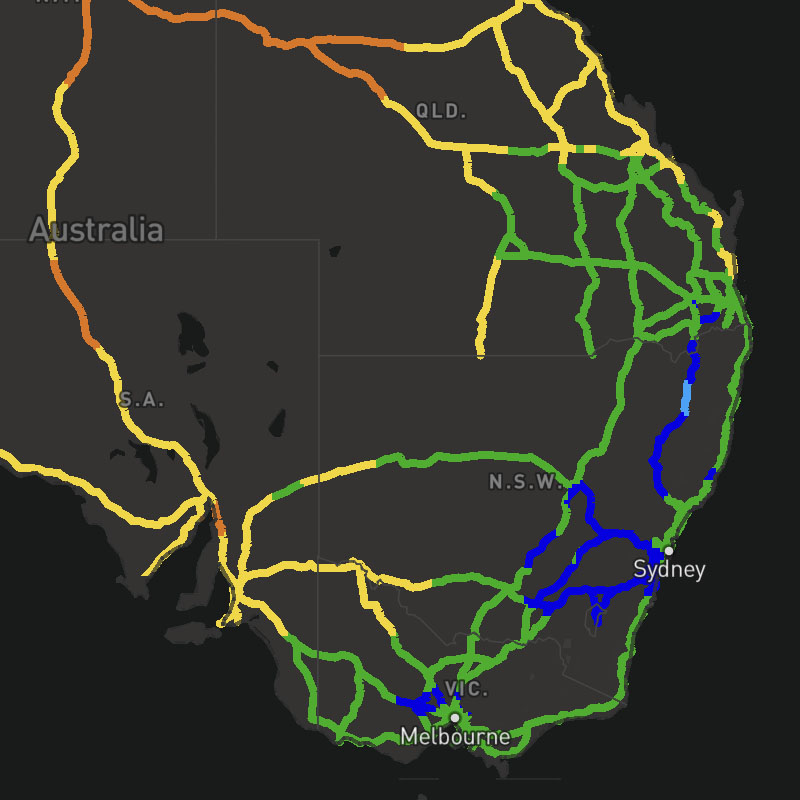
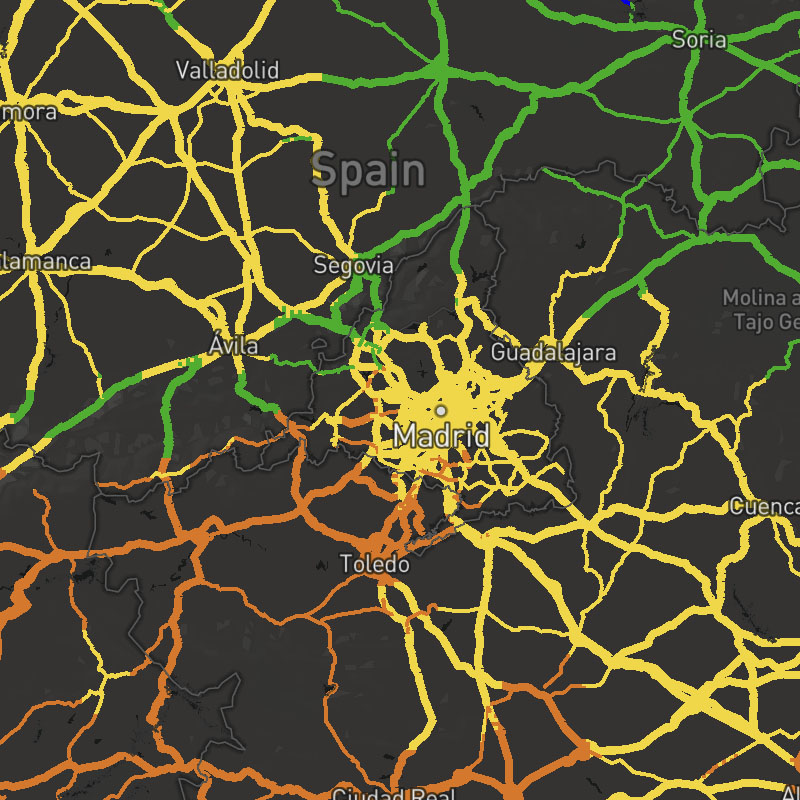
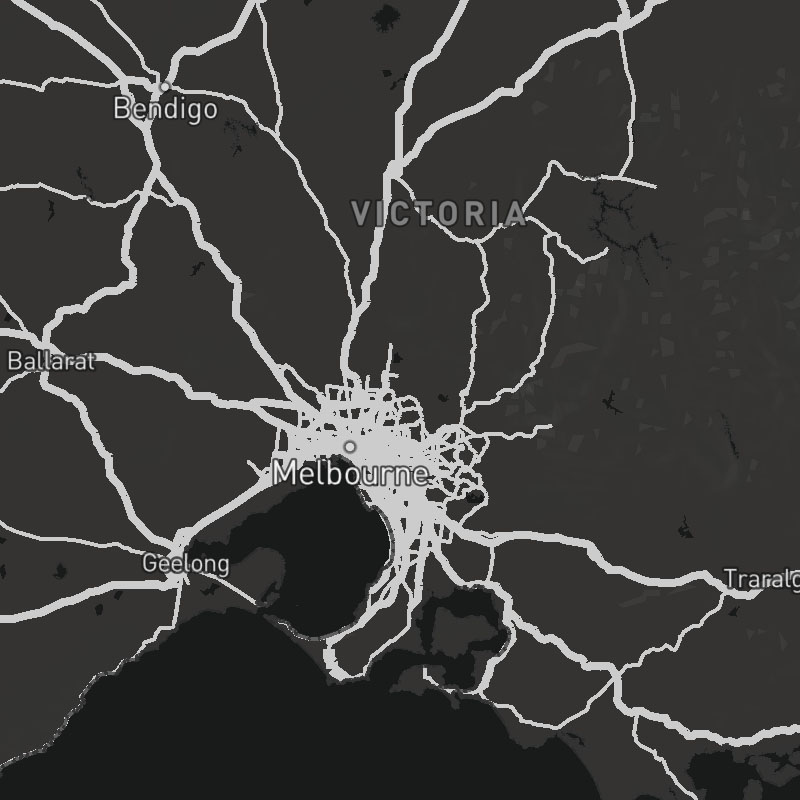
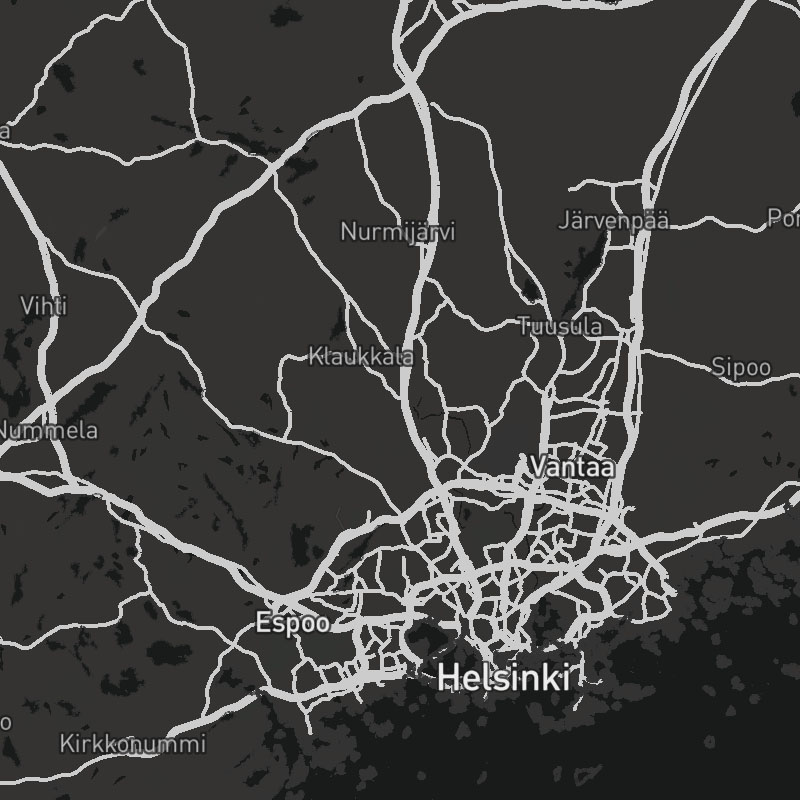
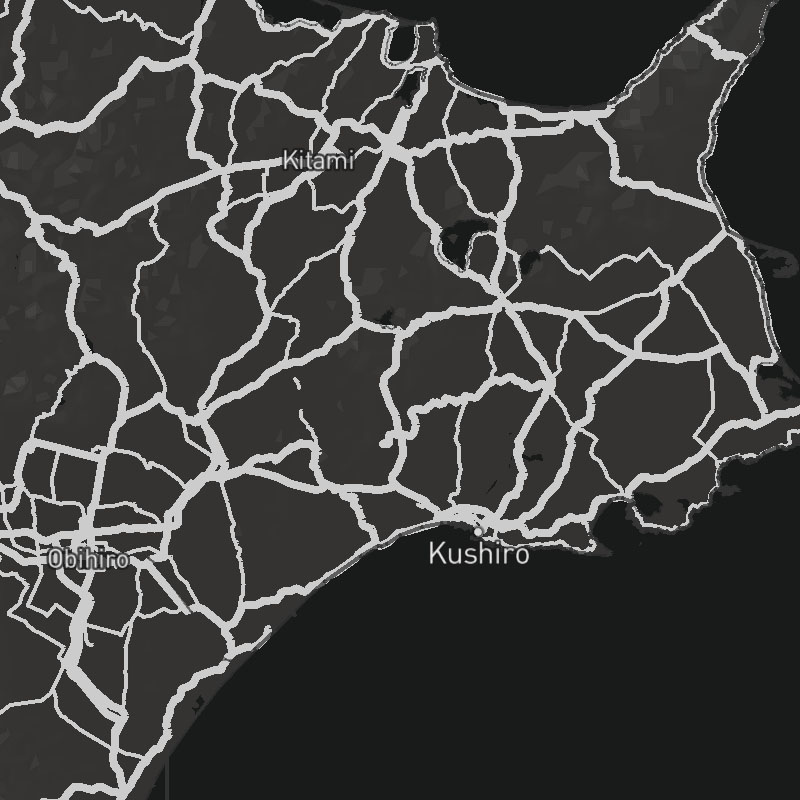
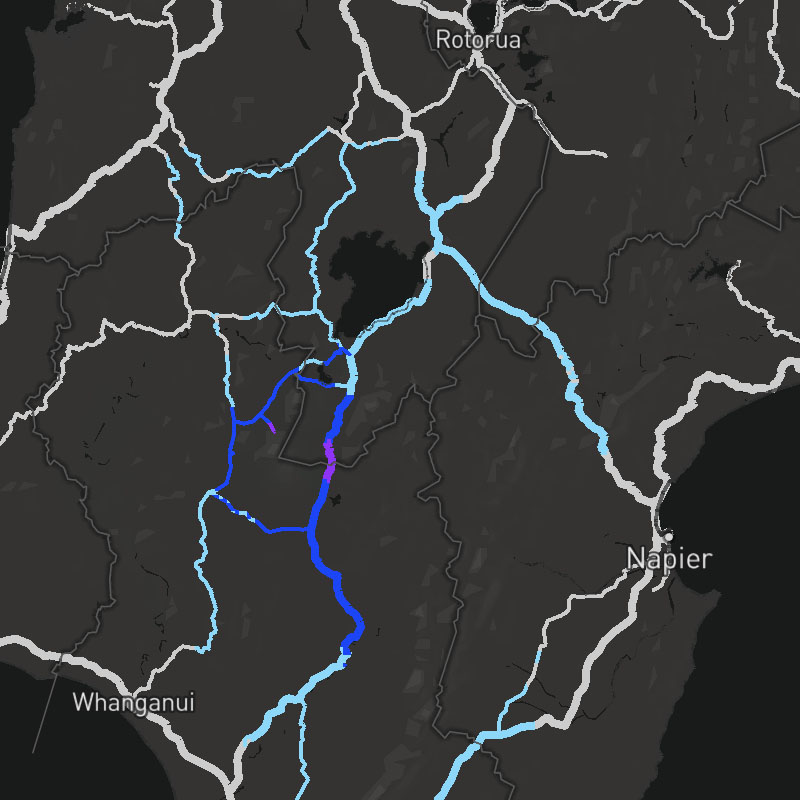
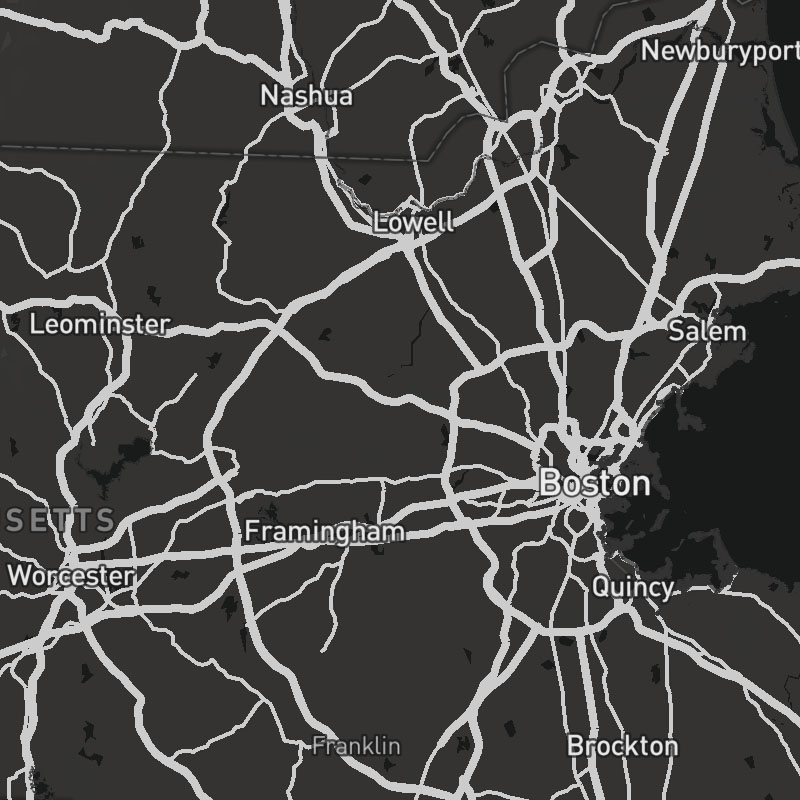
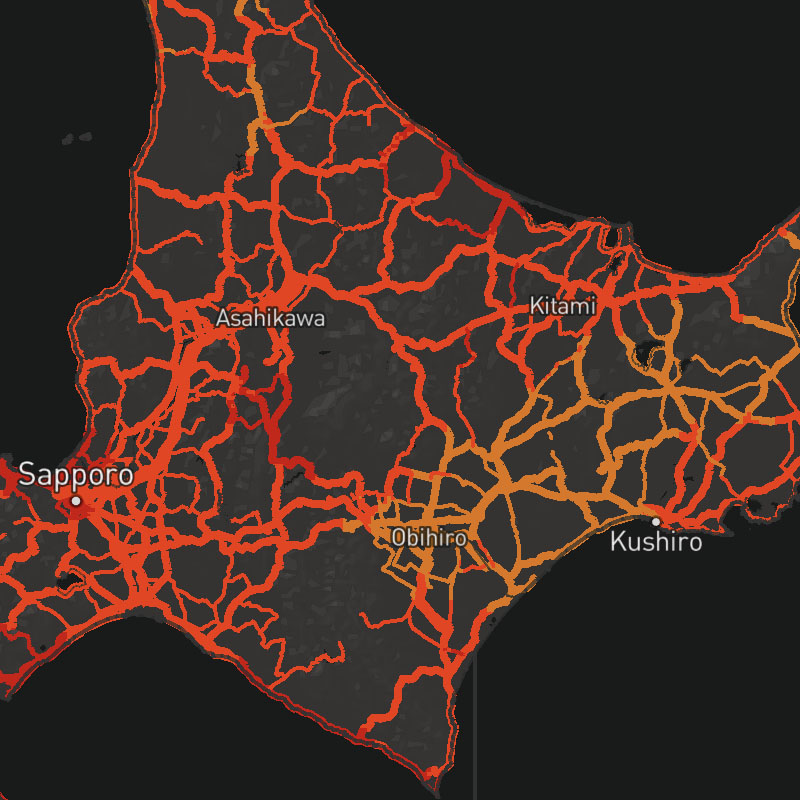
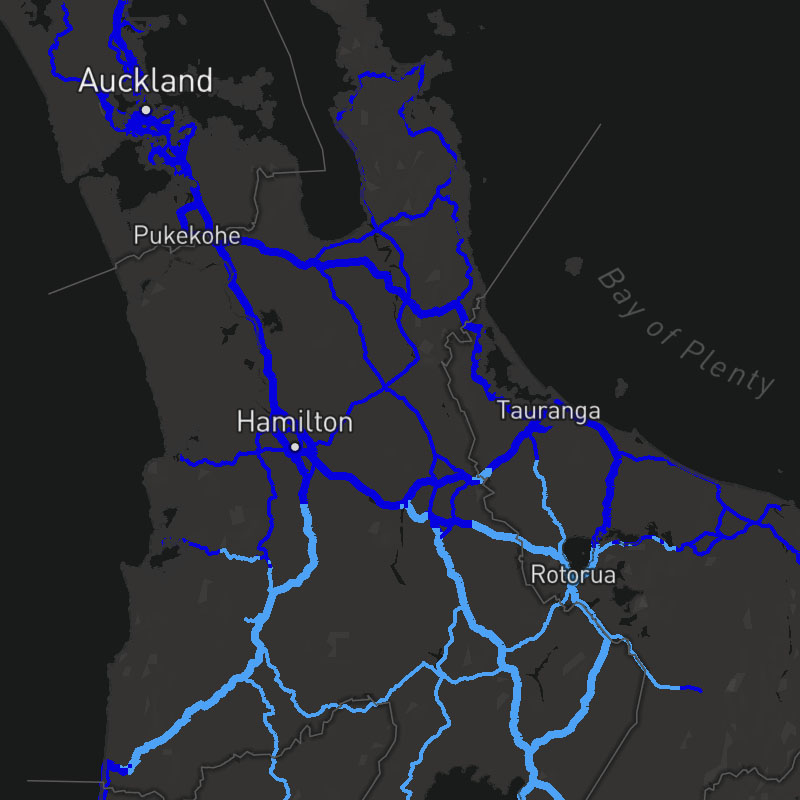
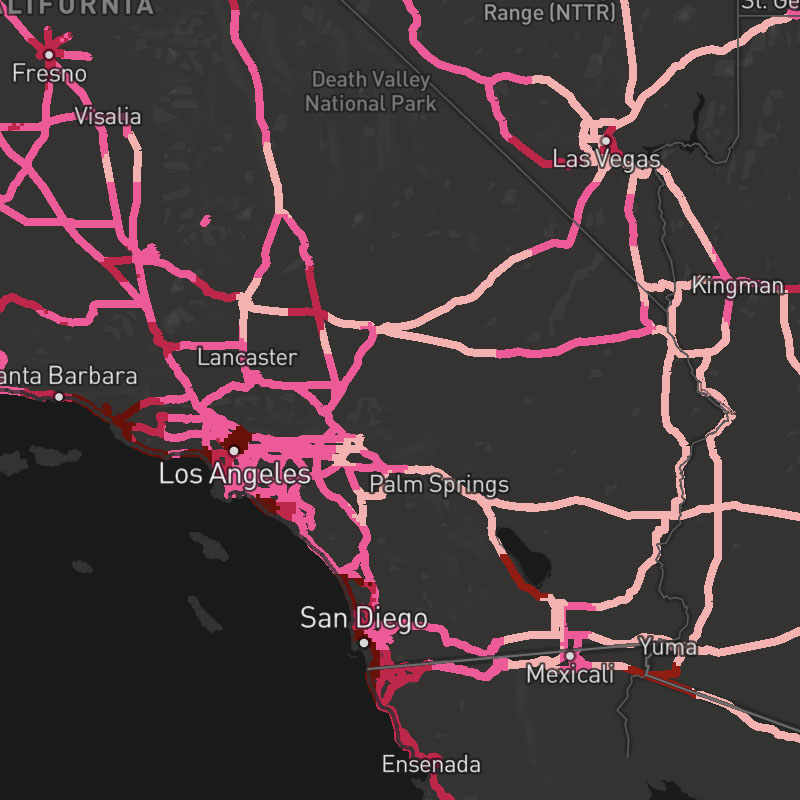
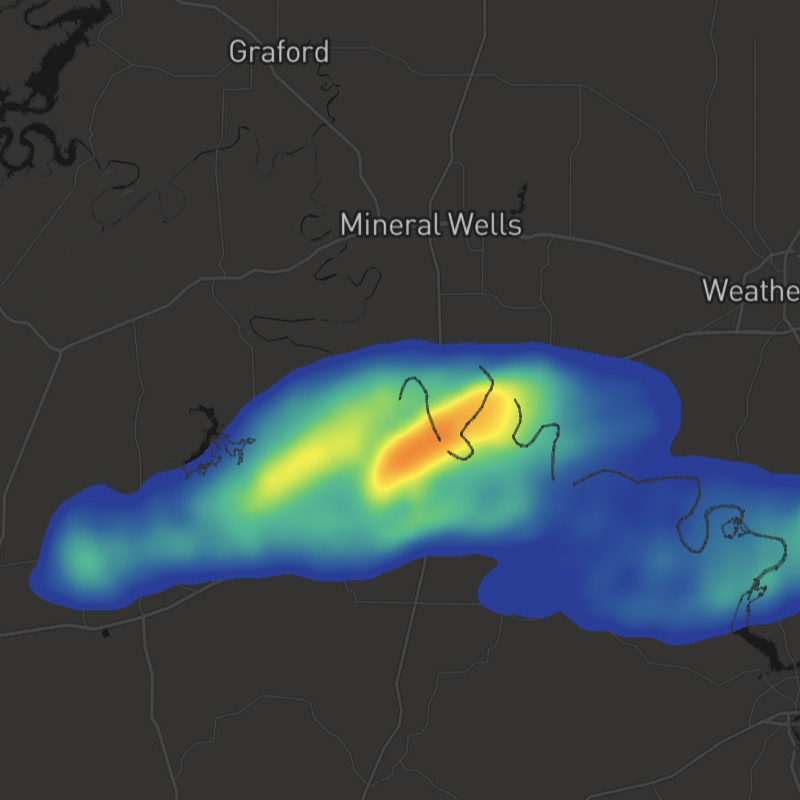
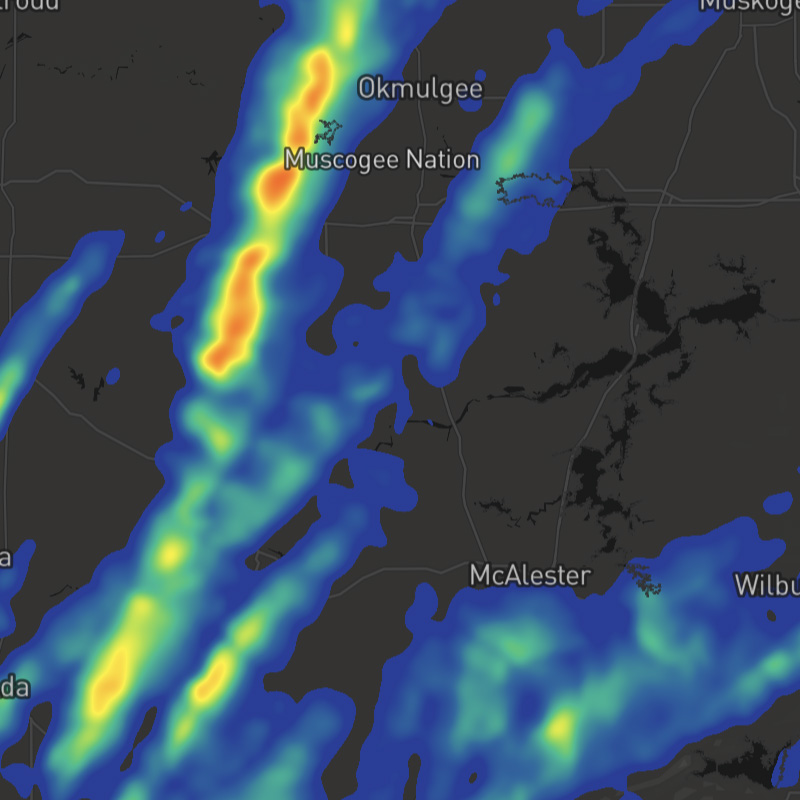
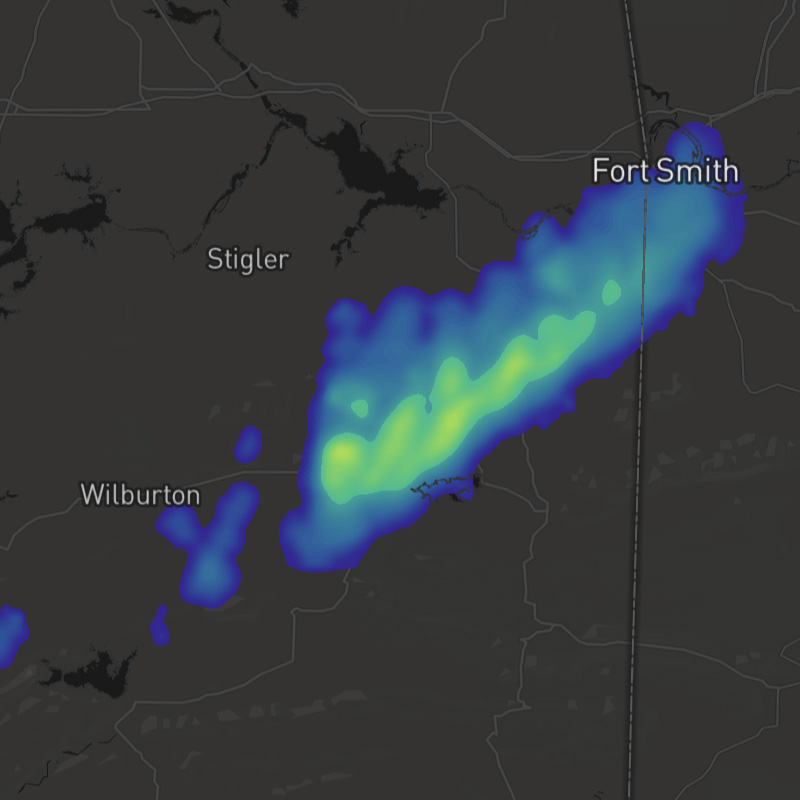
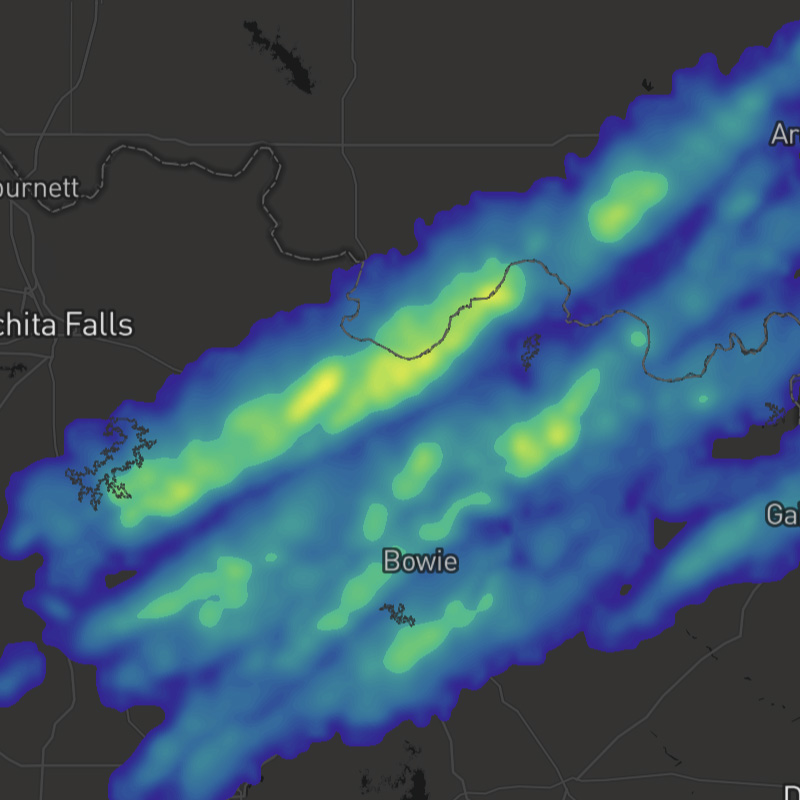
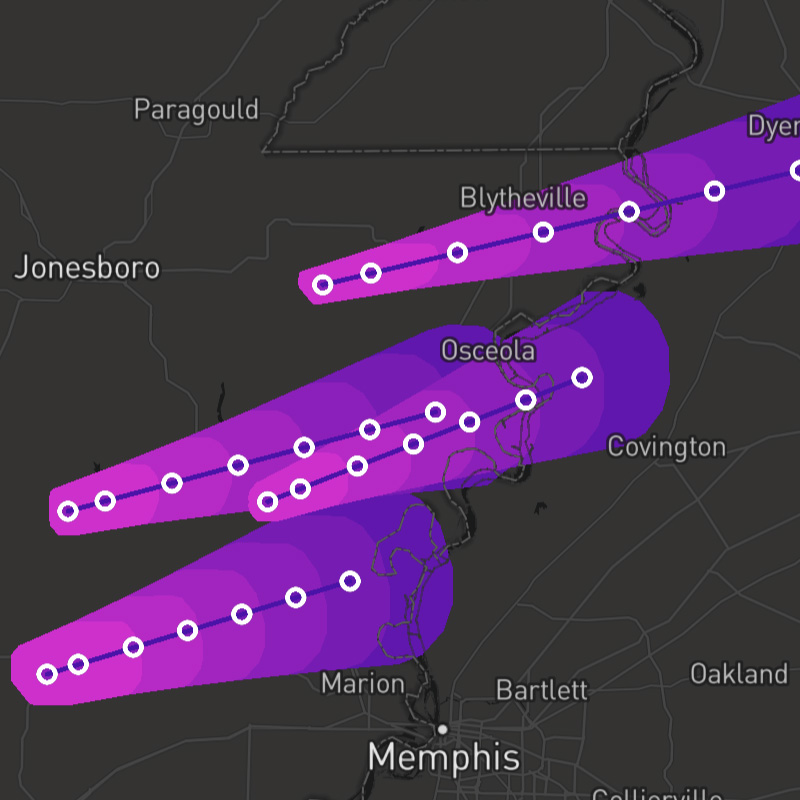
hail-threats-polygons, hail-threats-tracks, hail-threats-points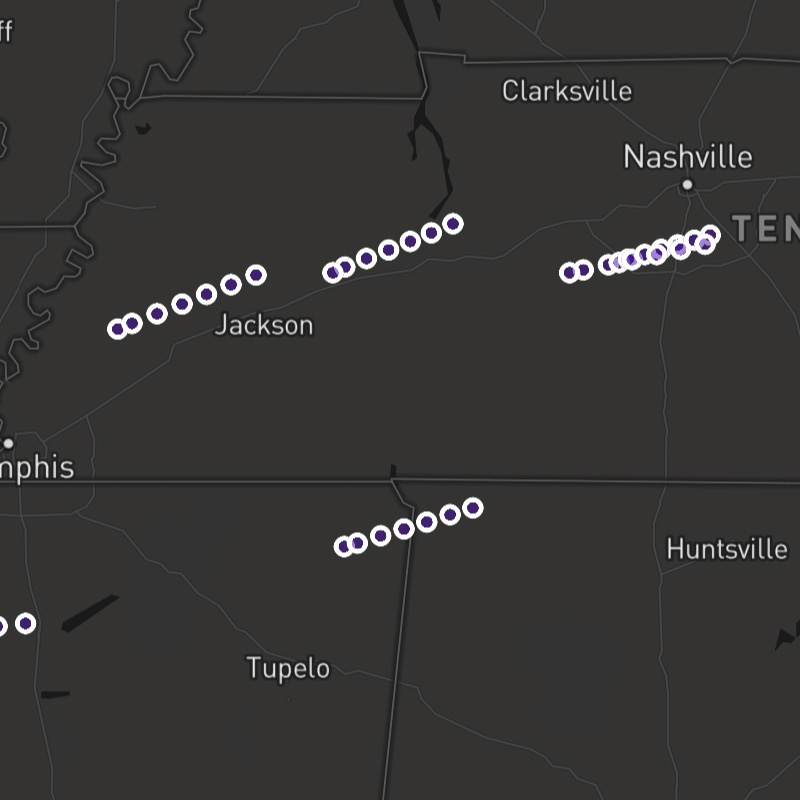
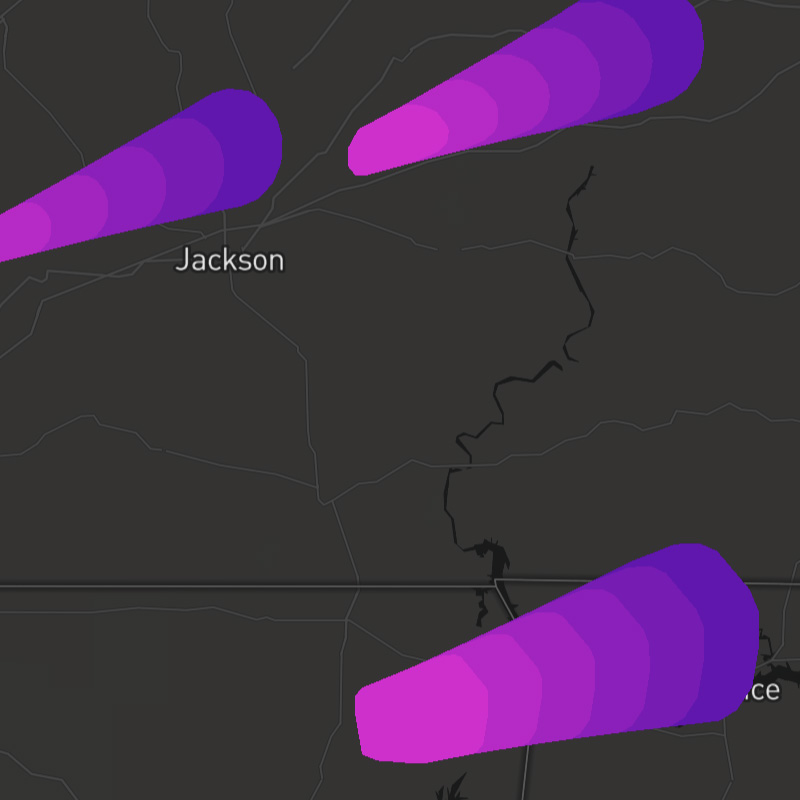
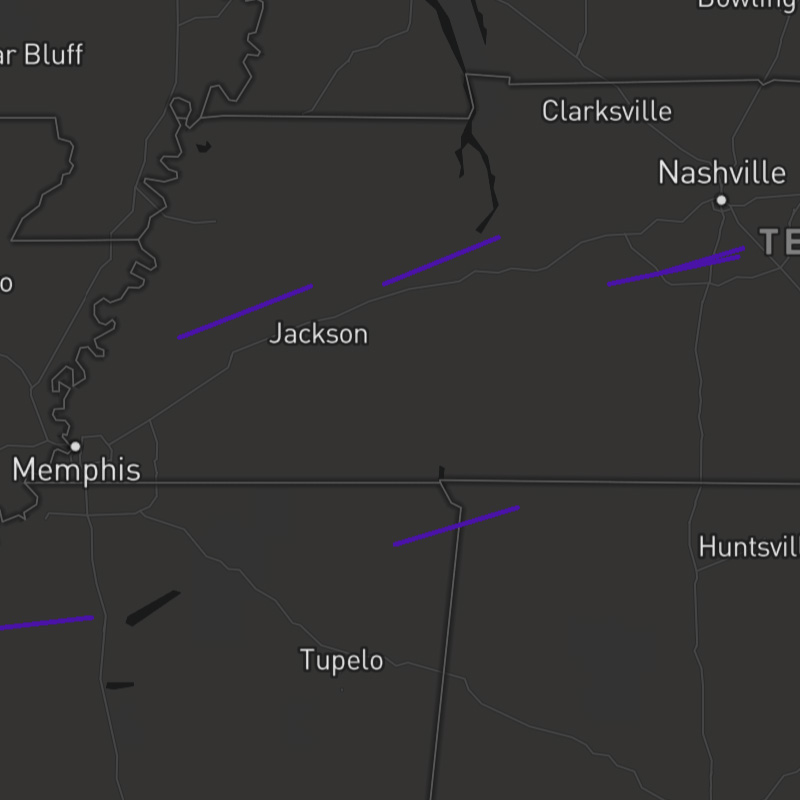
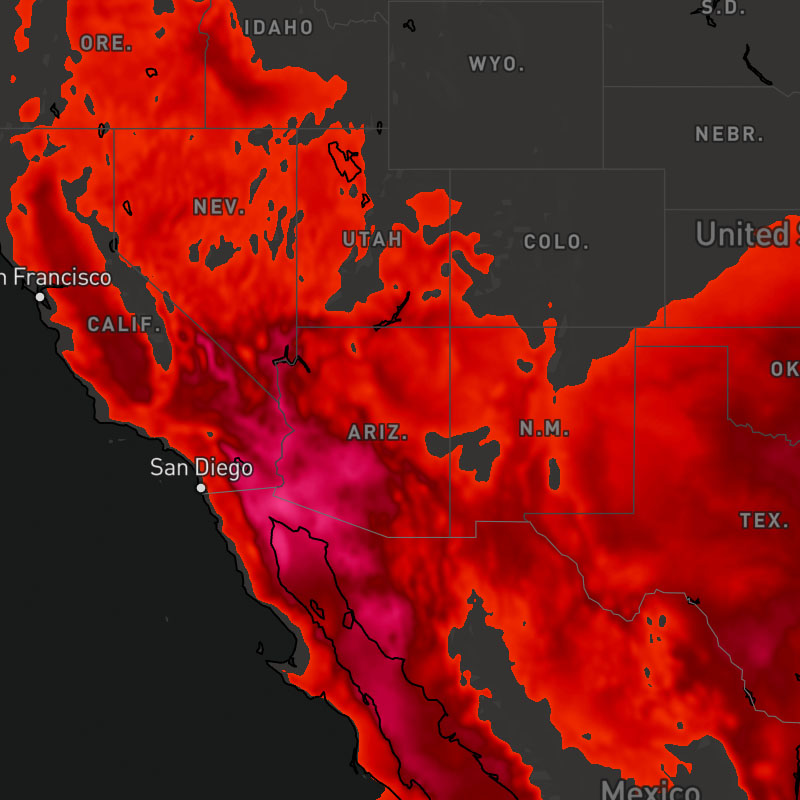
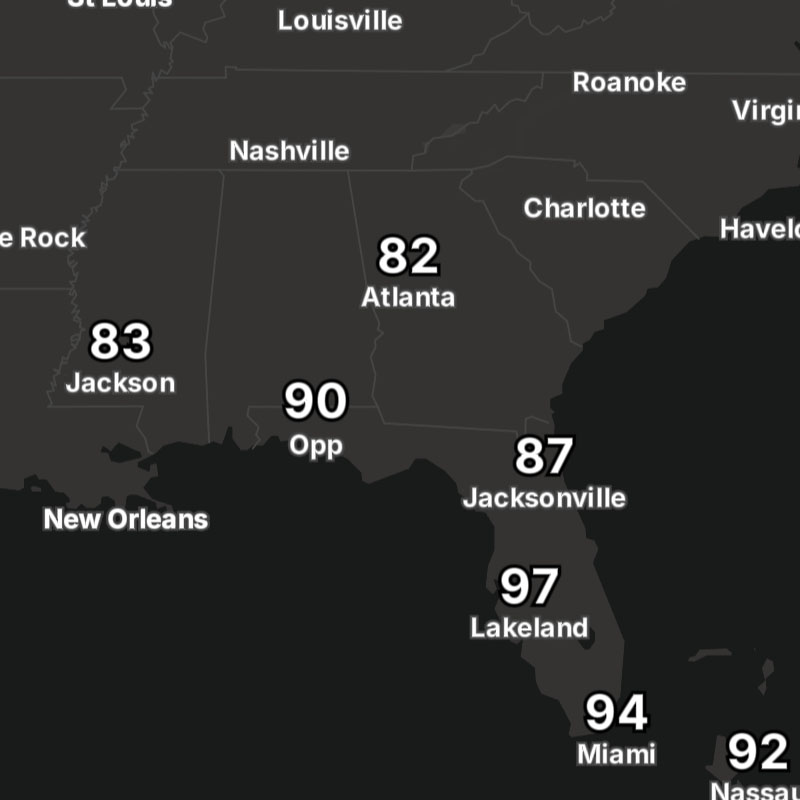
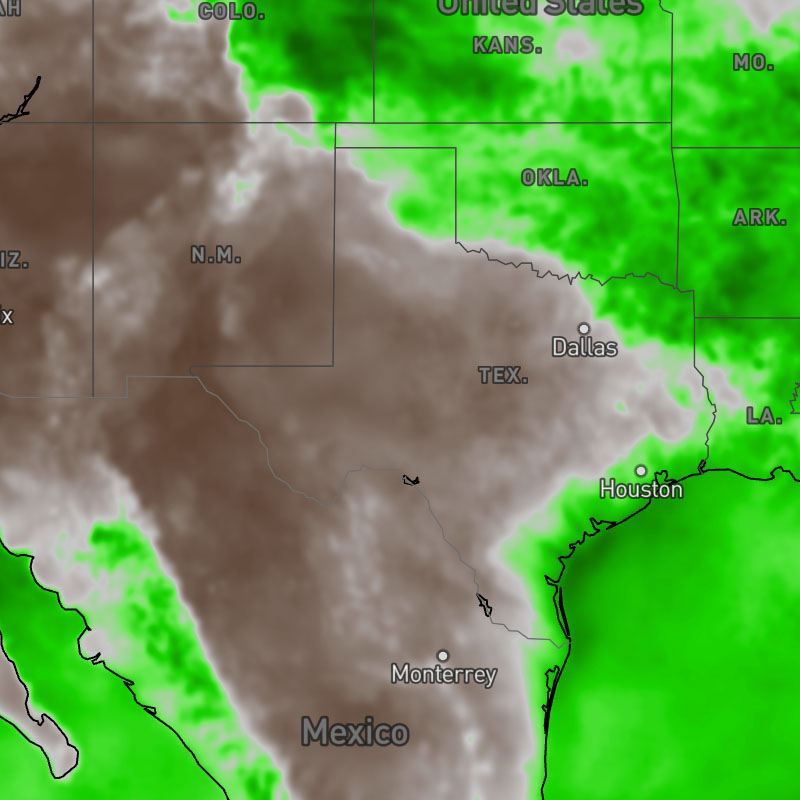
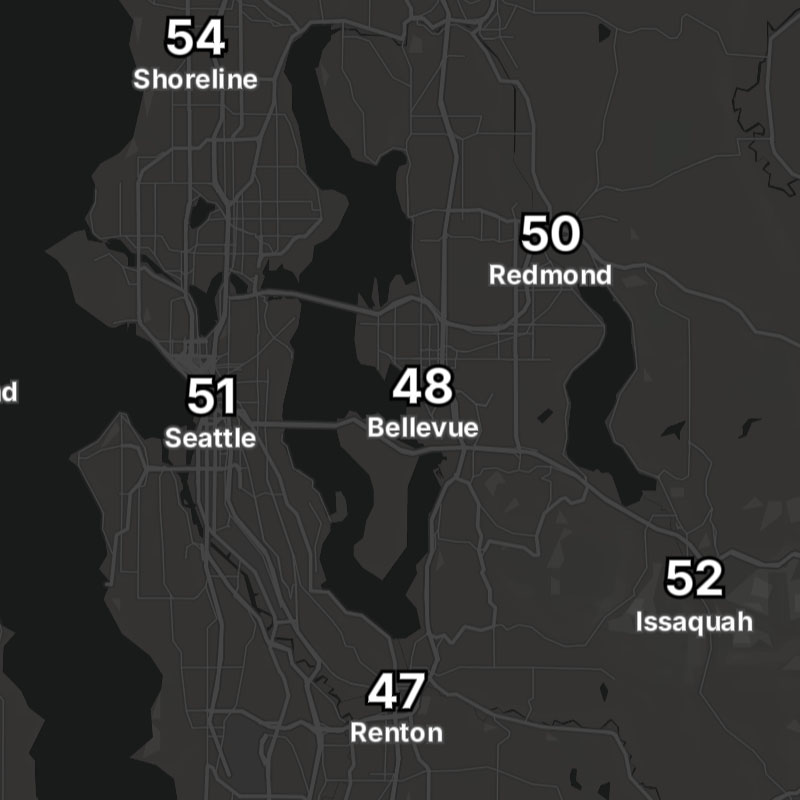
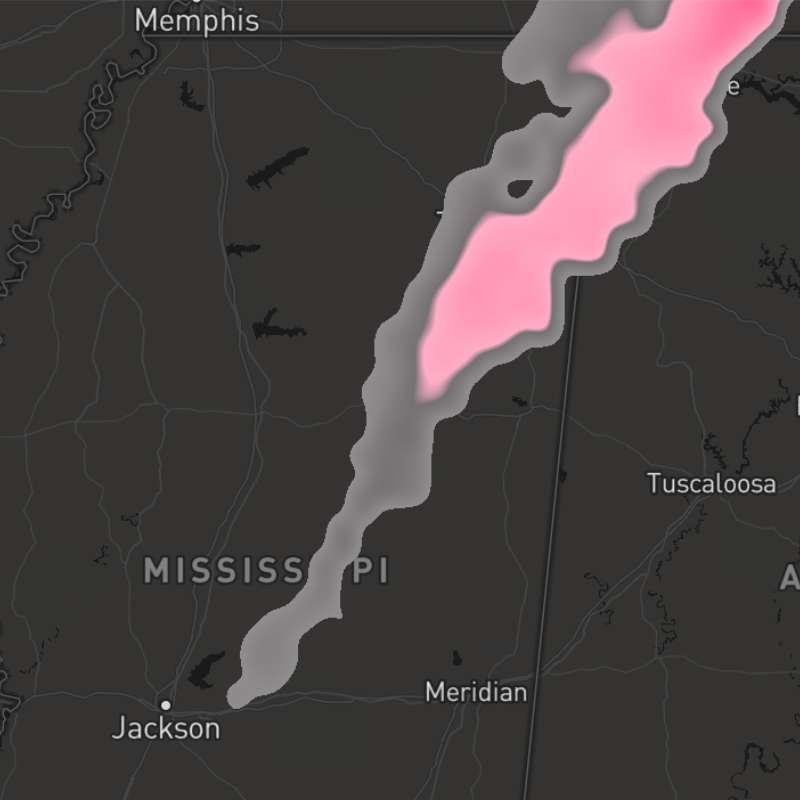
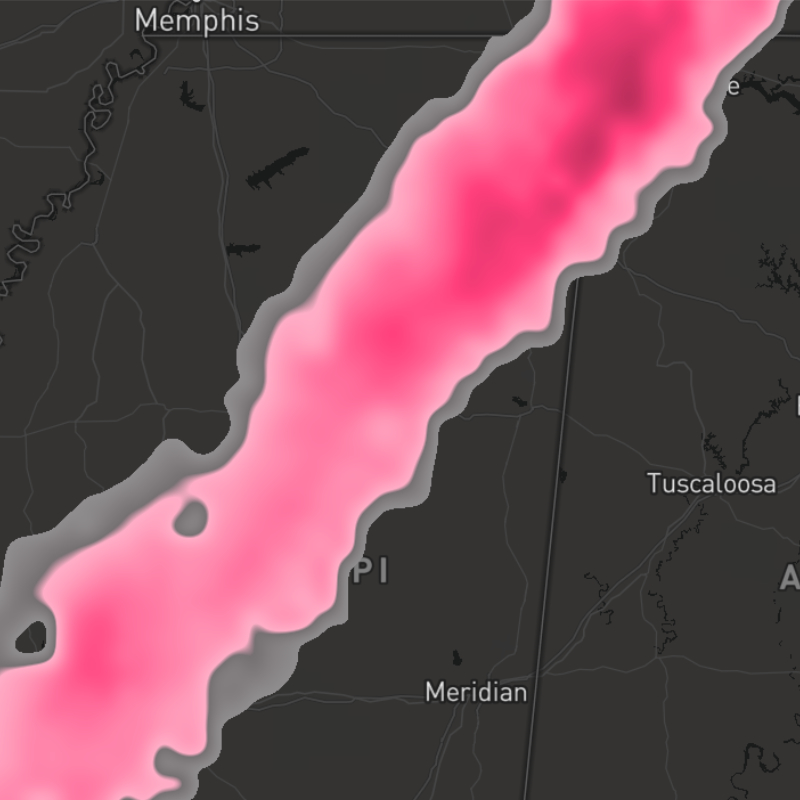
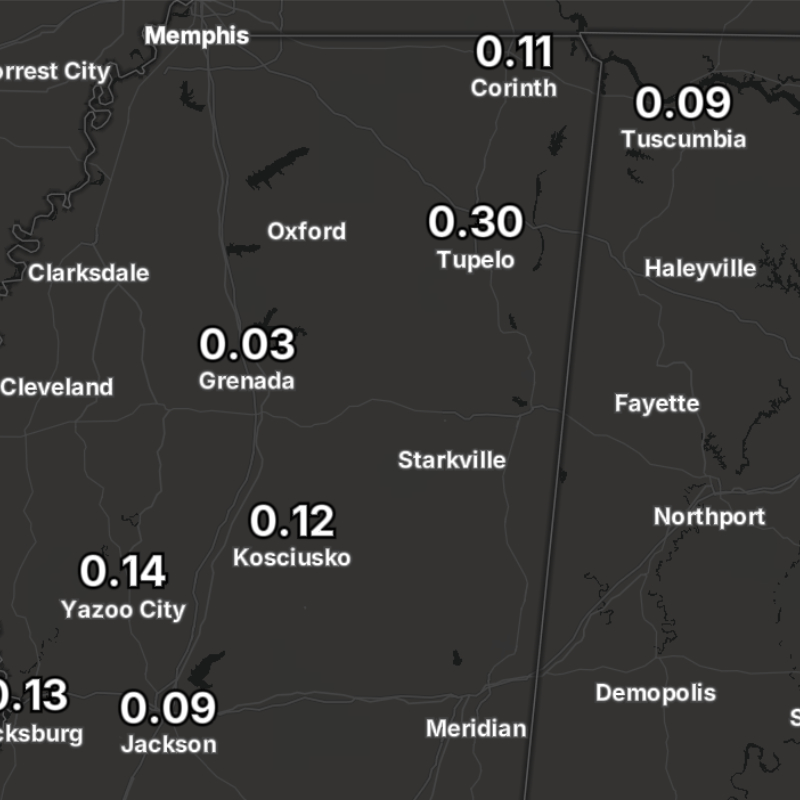
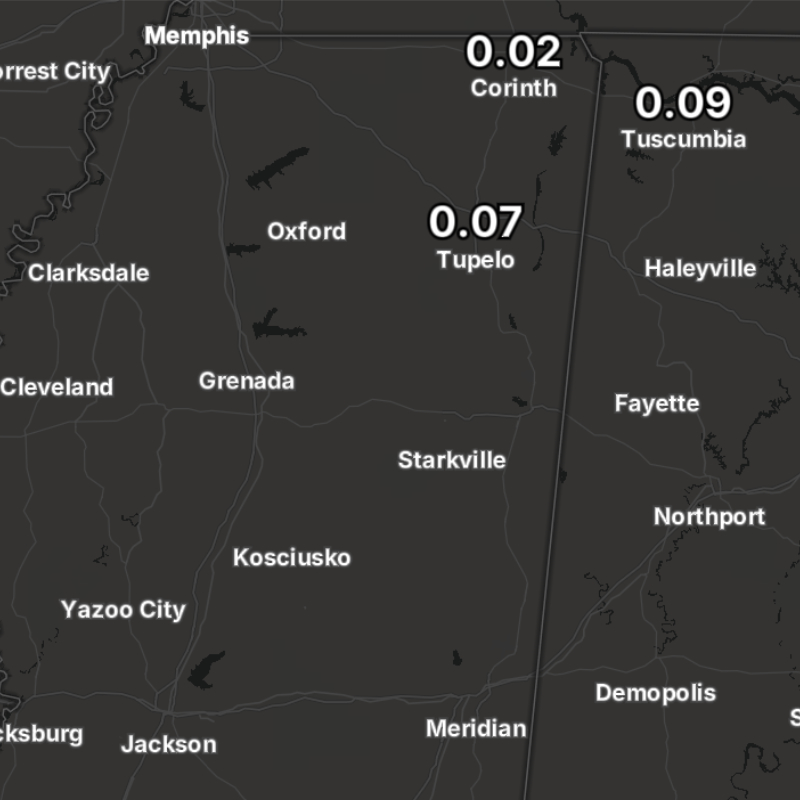
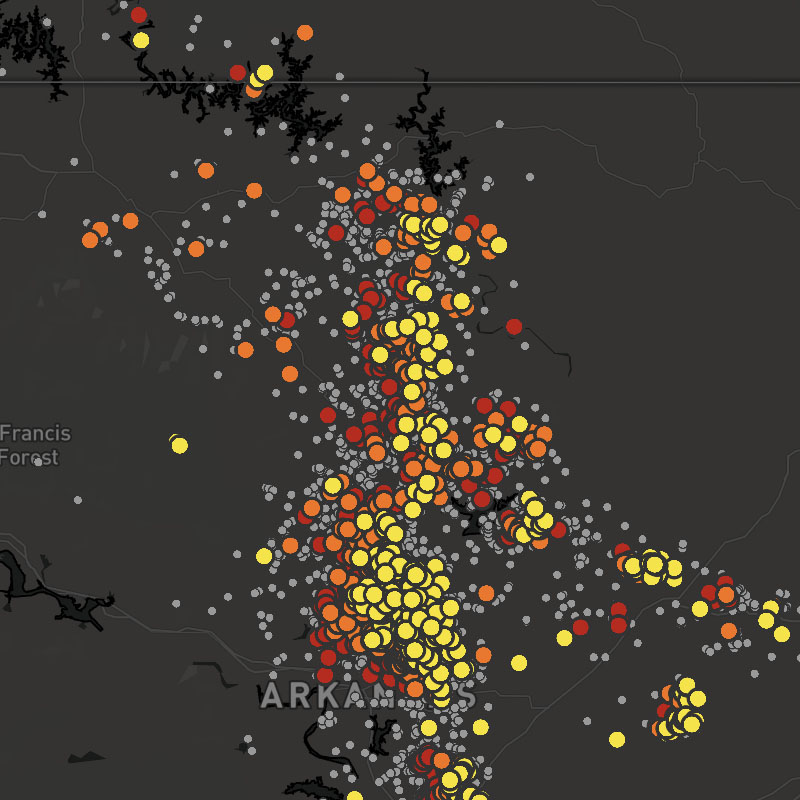
lightning-flash, lightning-strikes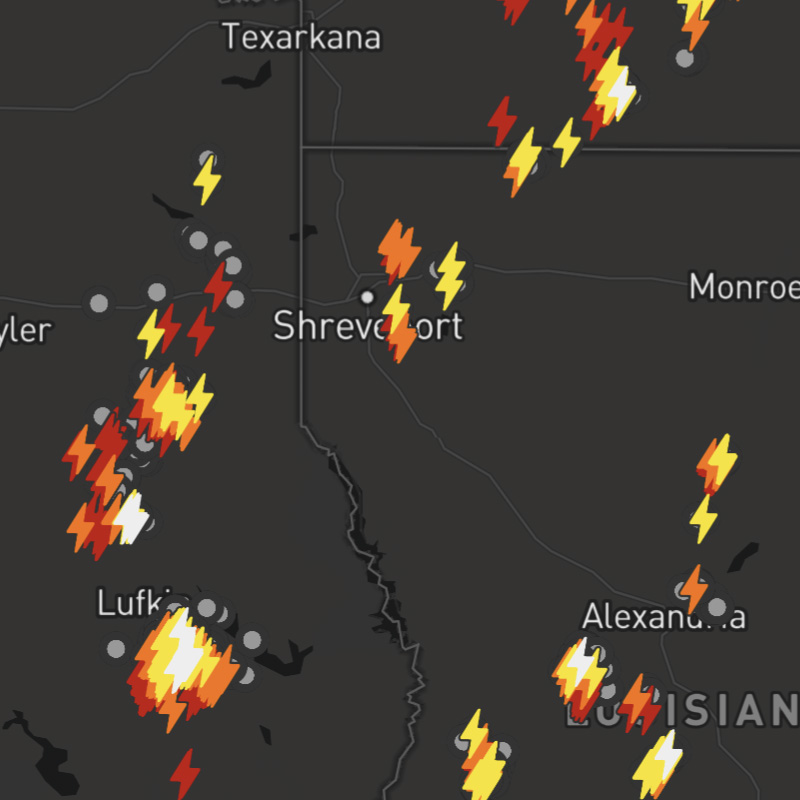
lightning-flash, lightning-strikes-icons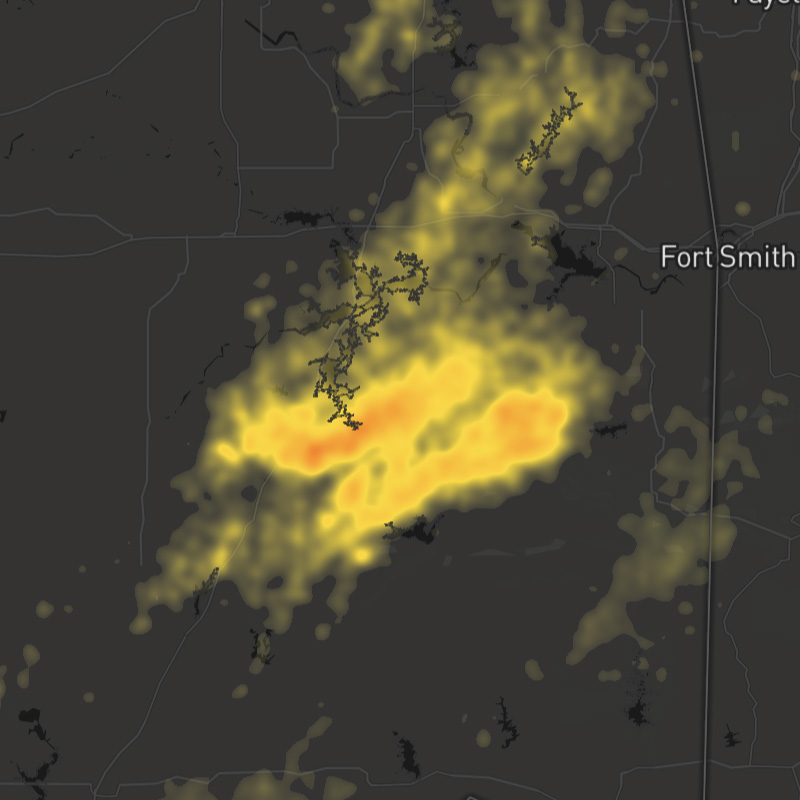
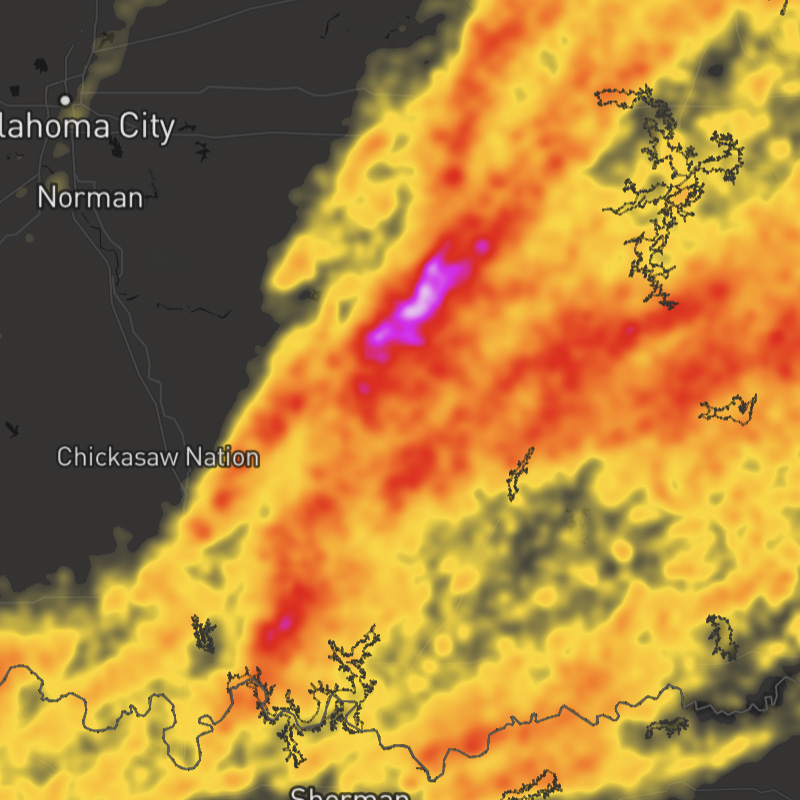
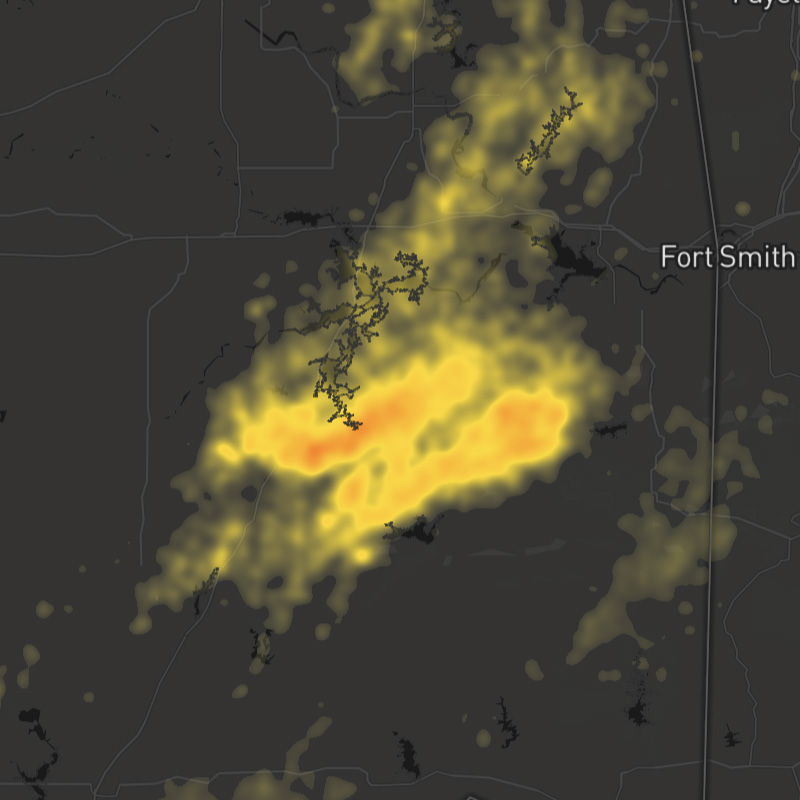
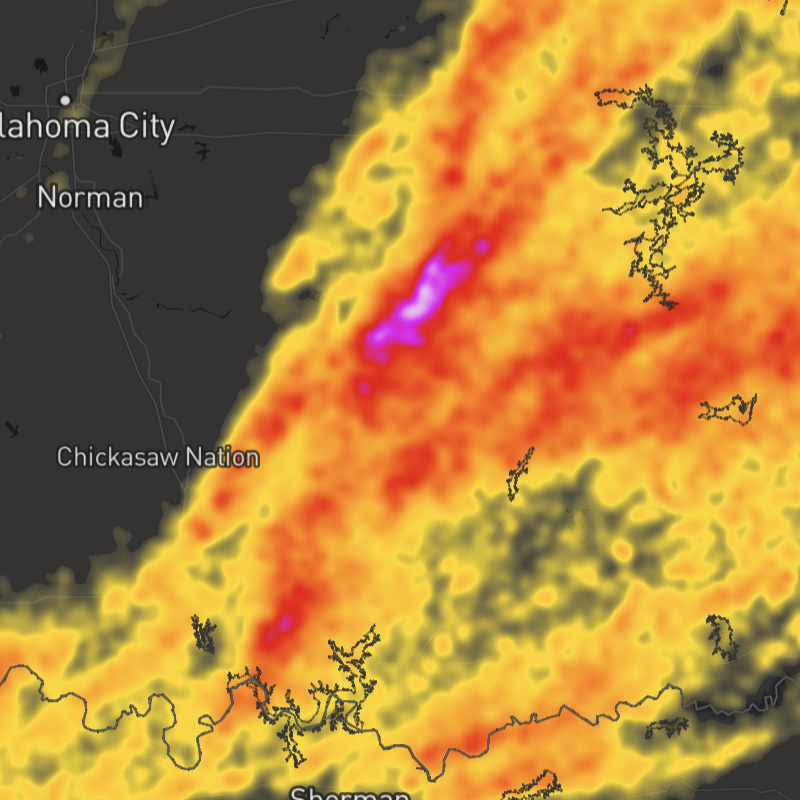
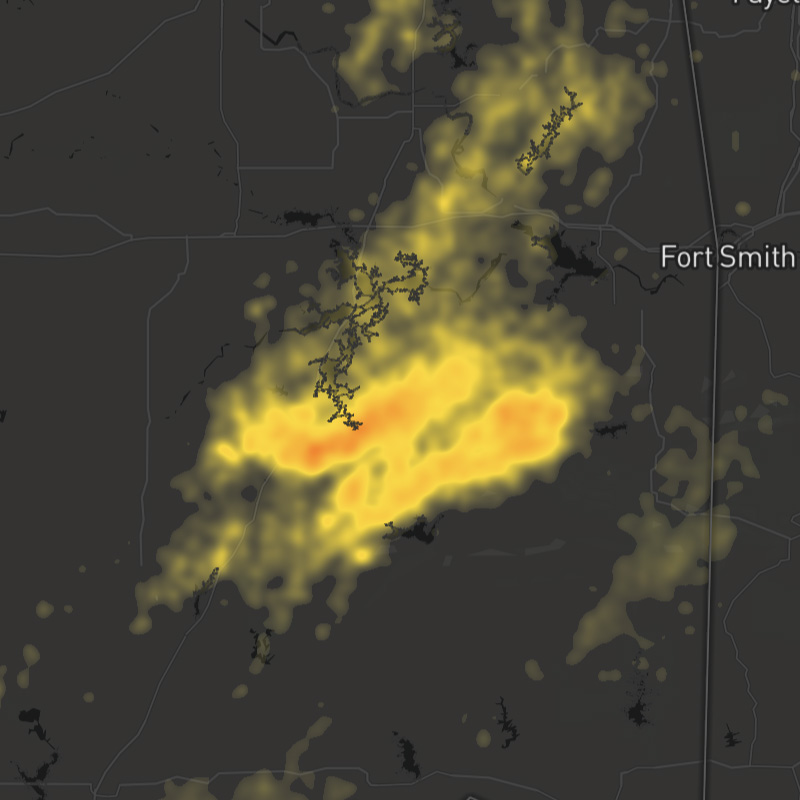
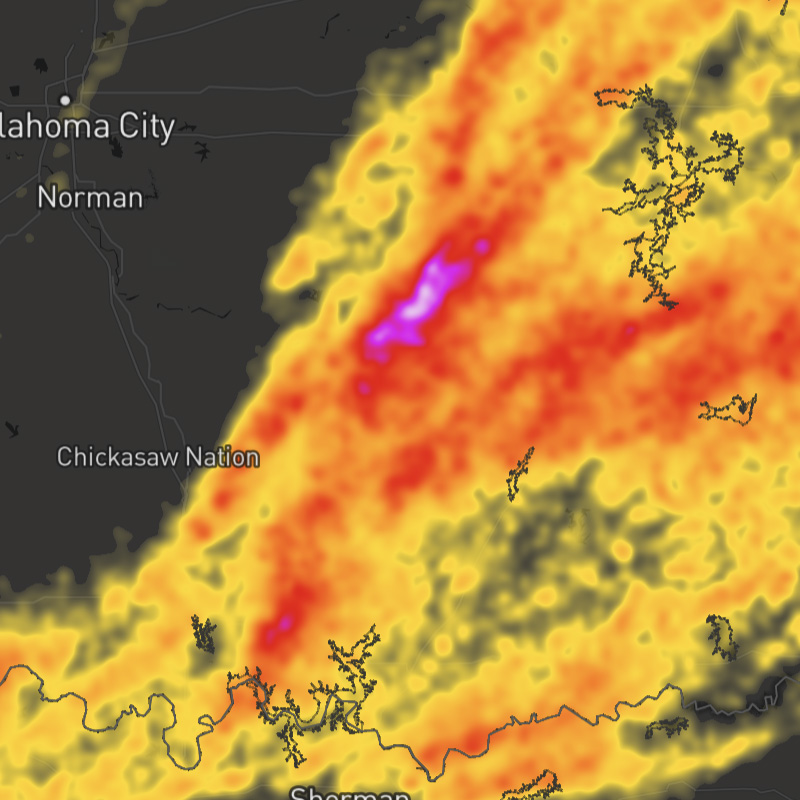
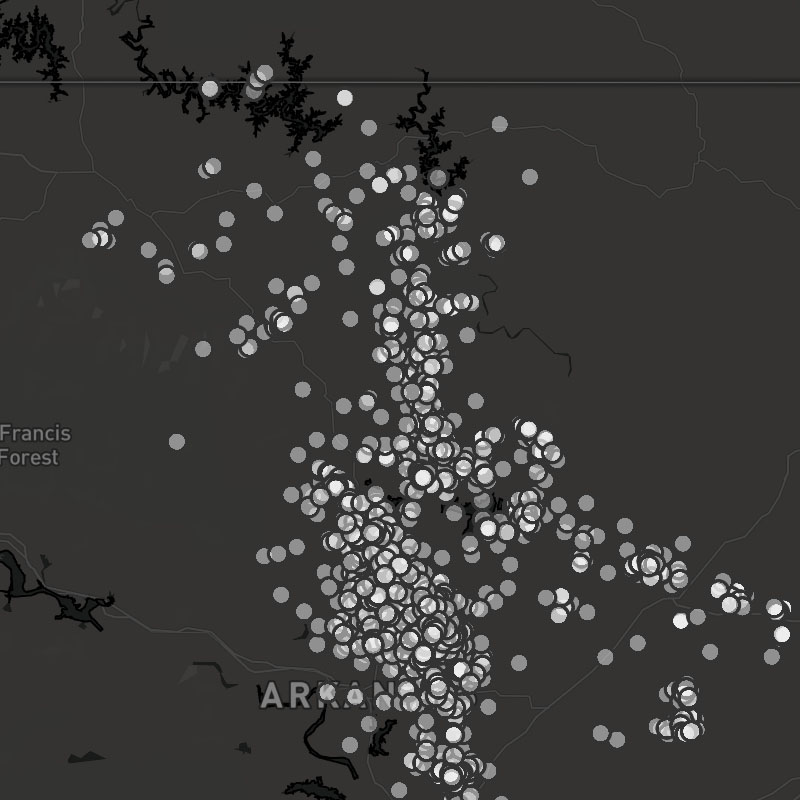
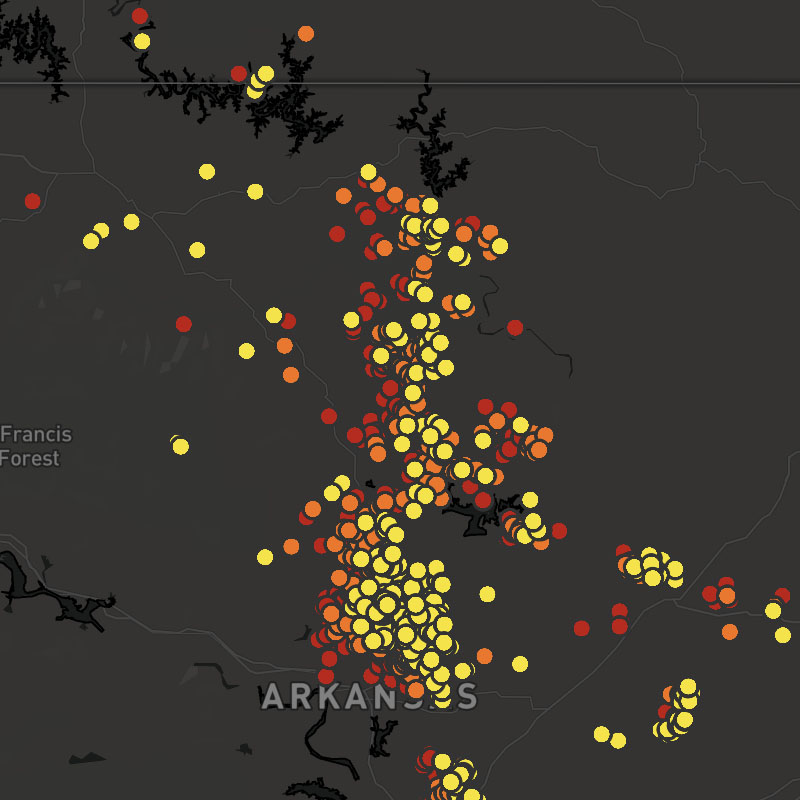
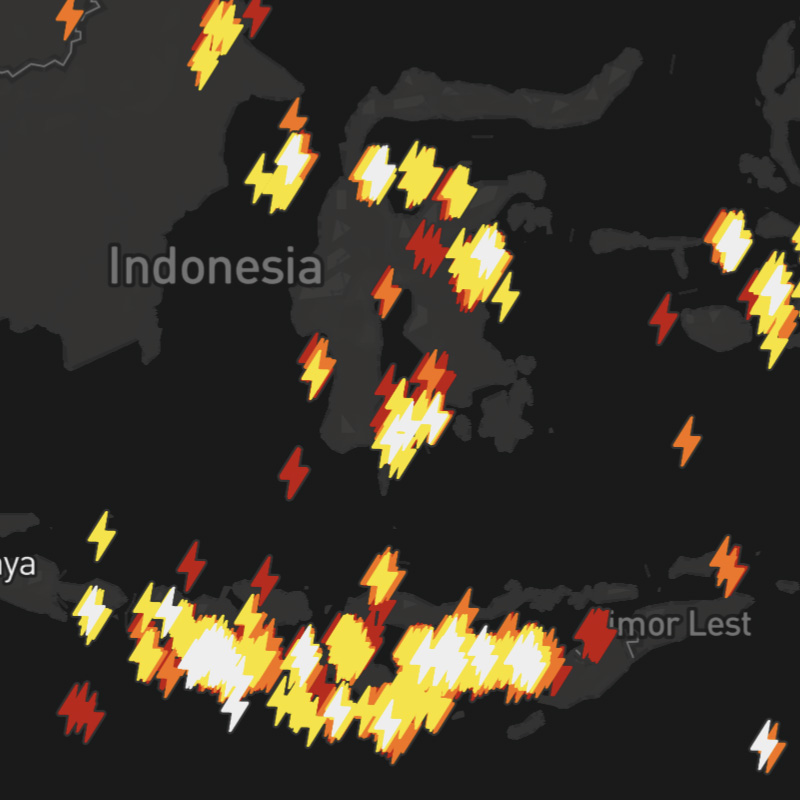
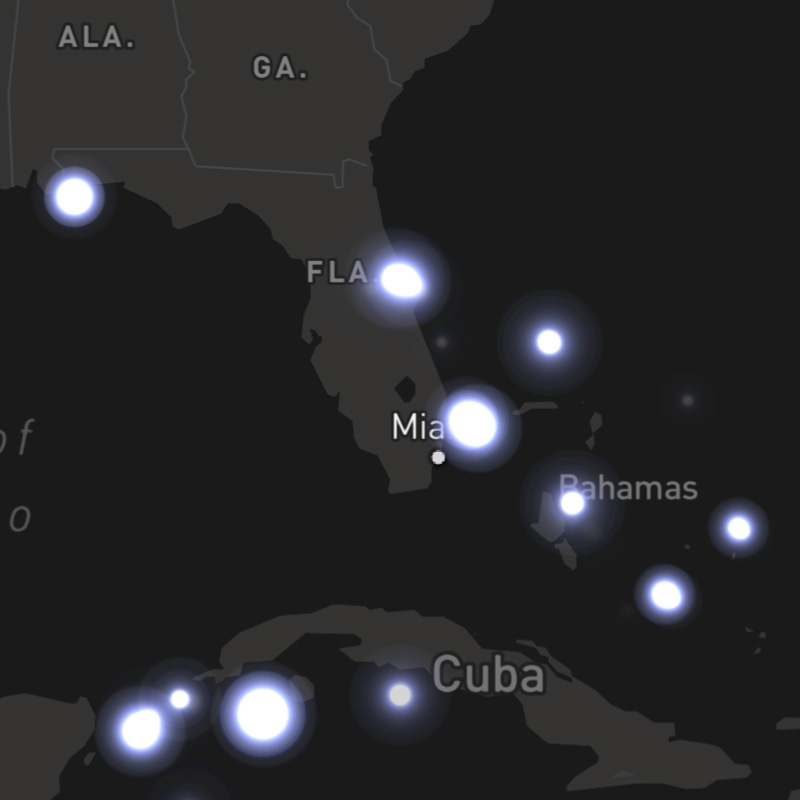
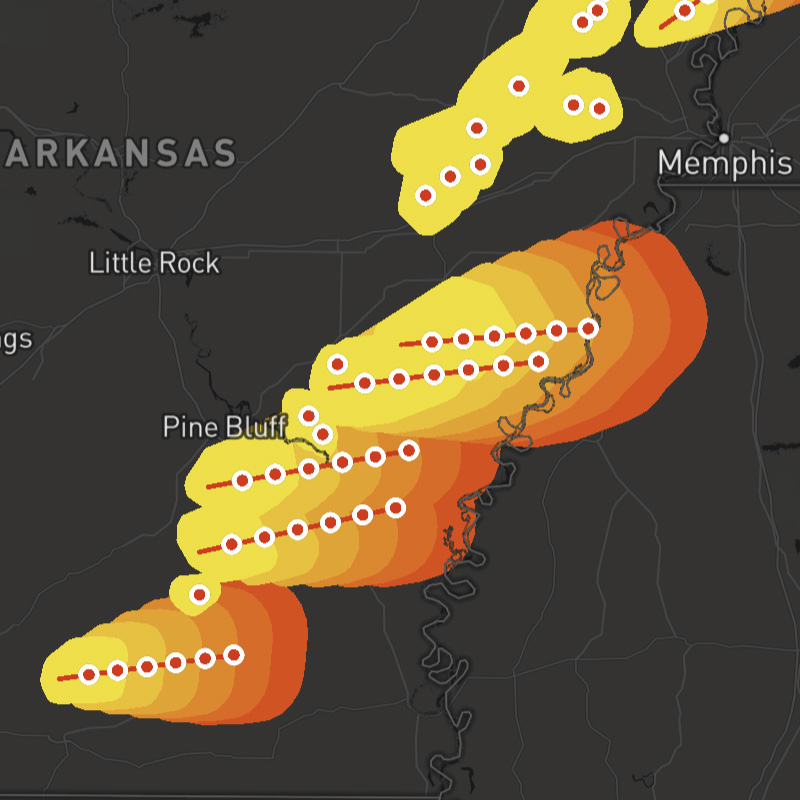
lightning-threats-polygons, lightning-threats-tracks, lightning-threats-points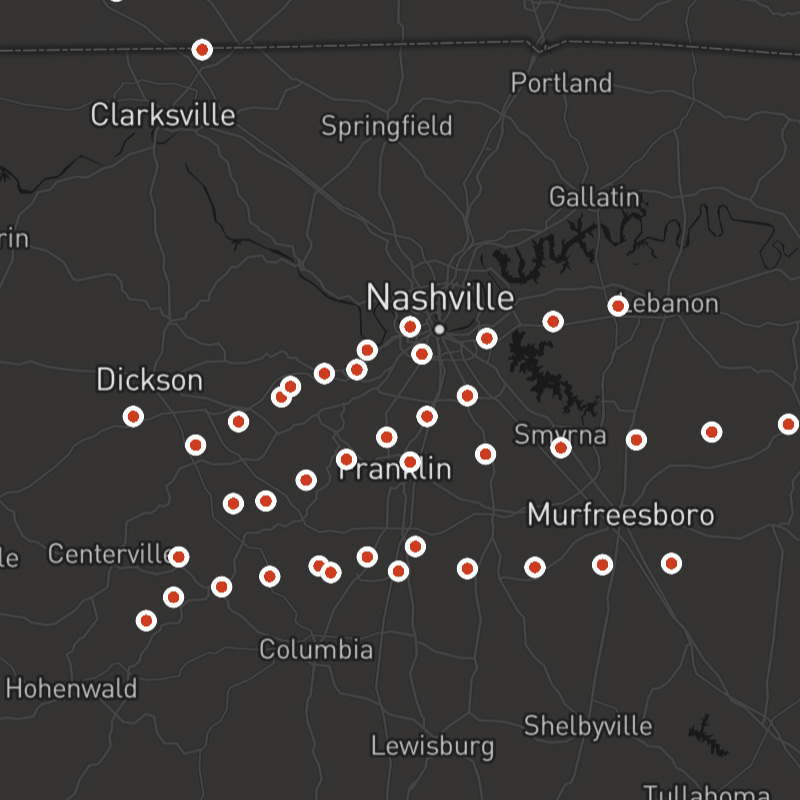
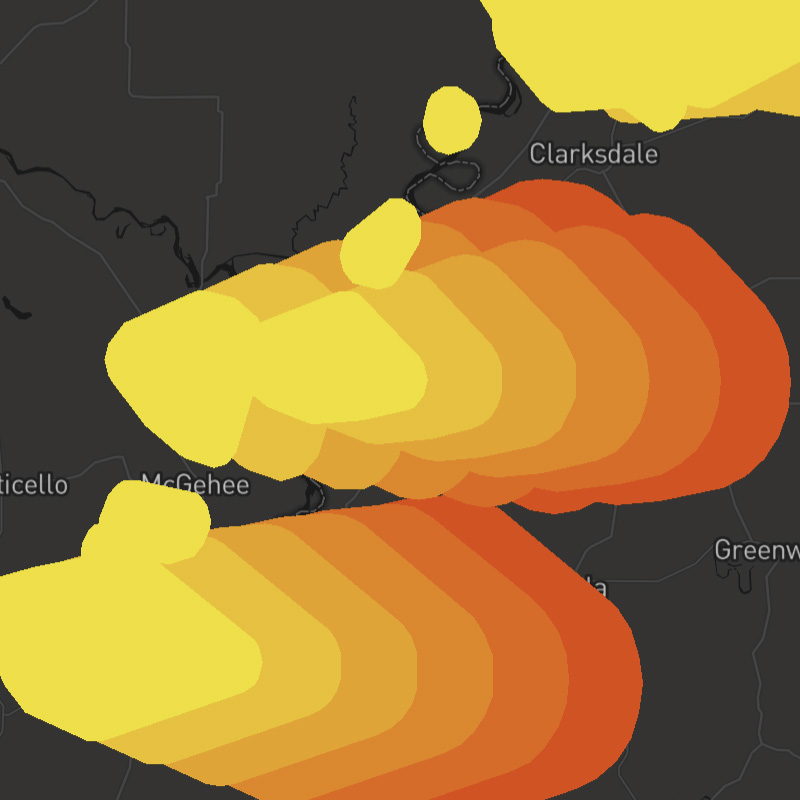
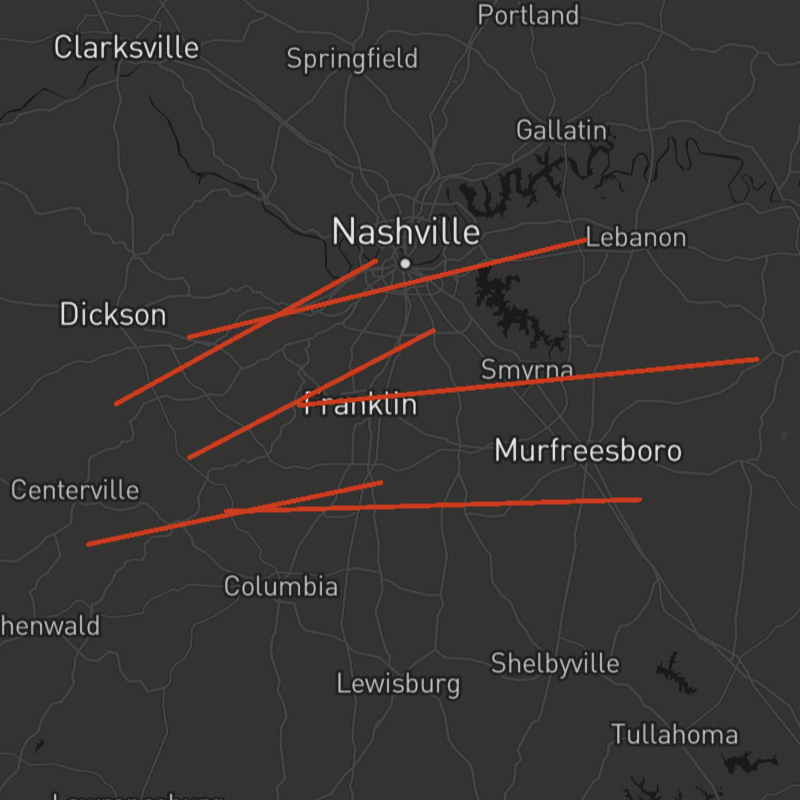
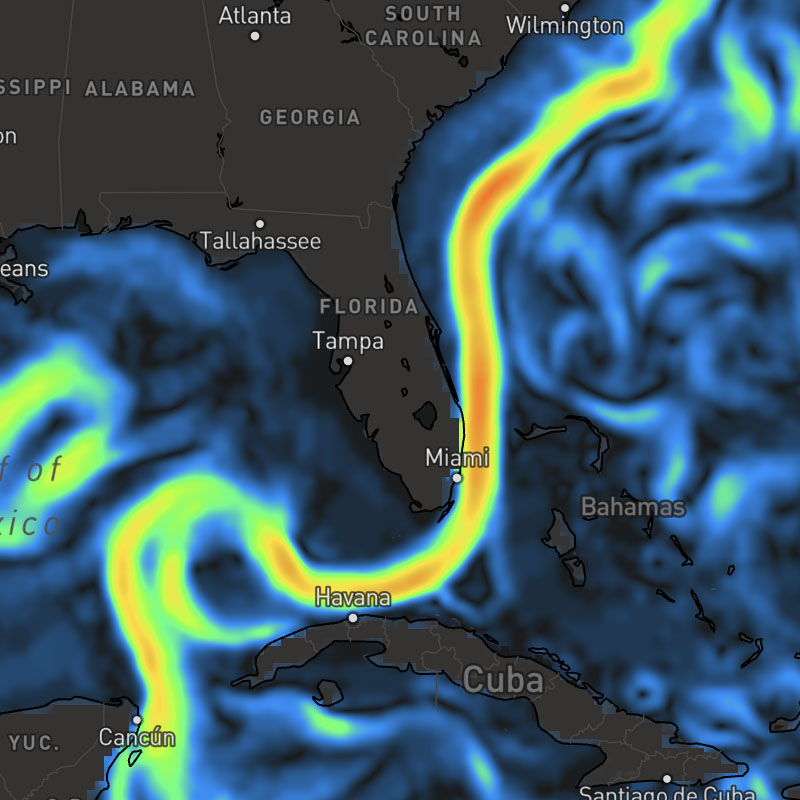
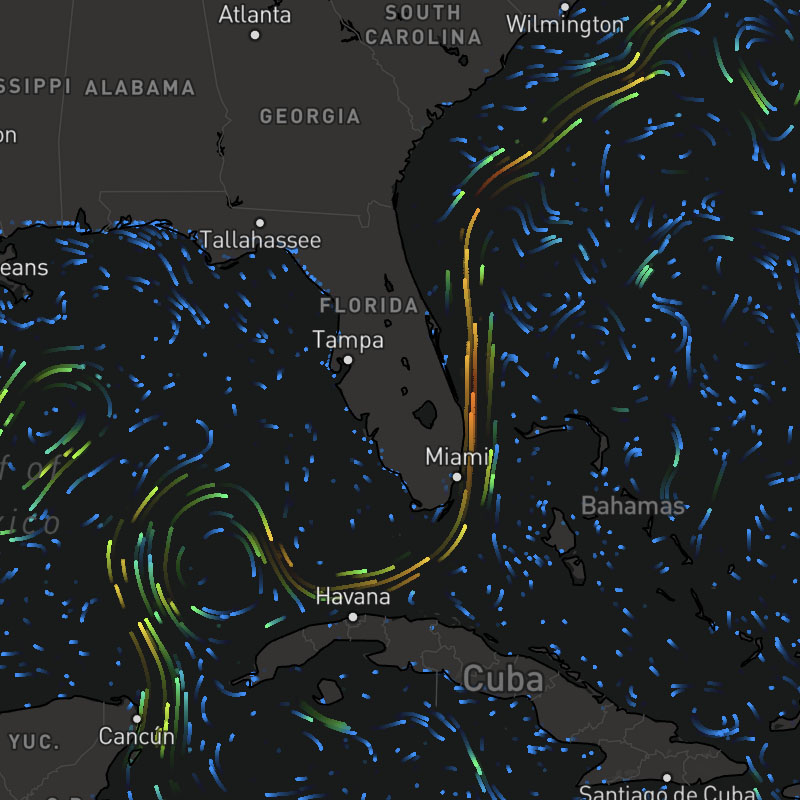
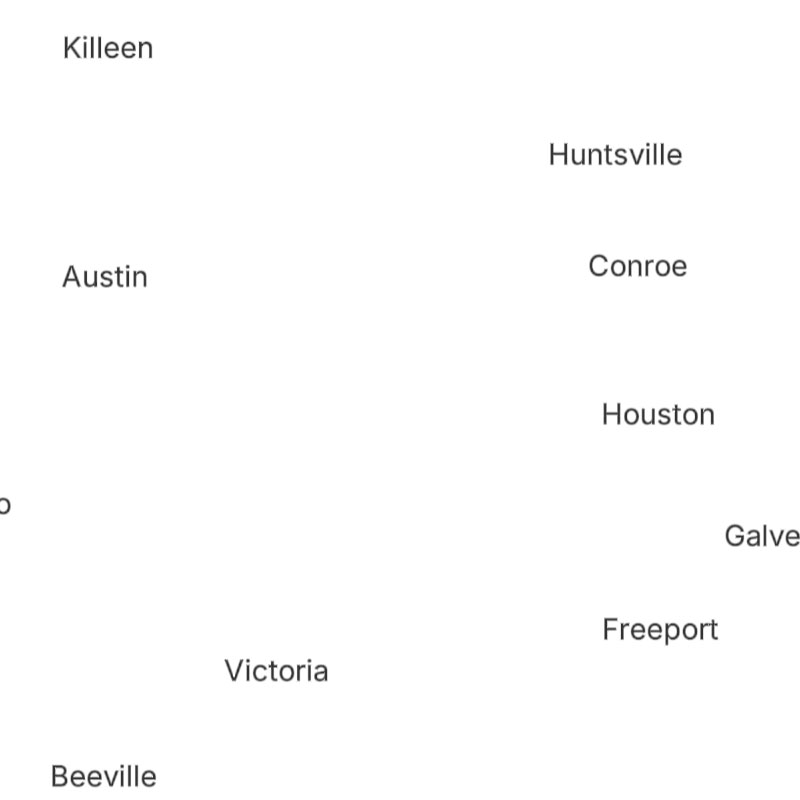
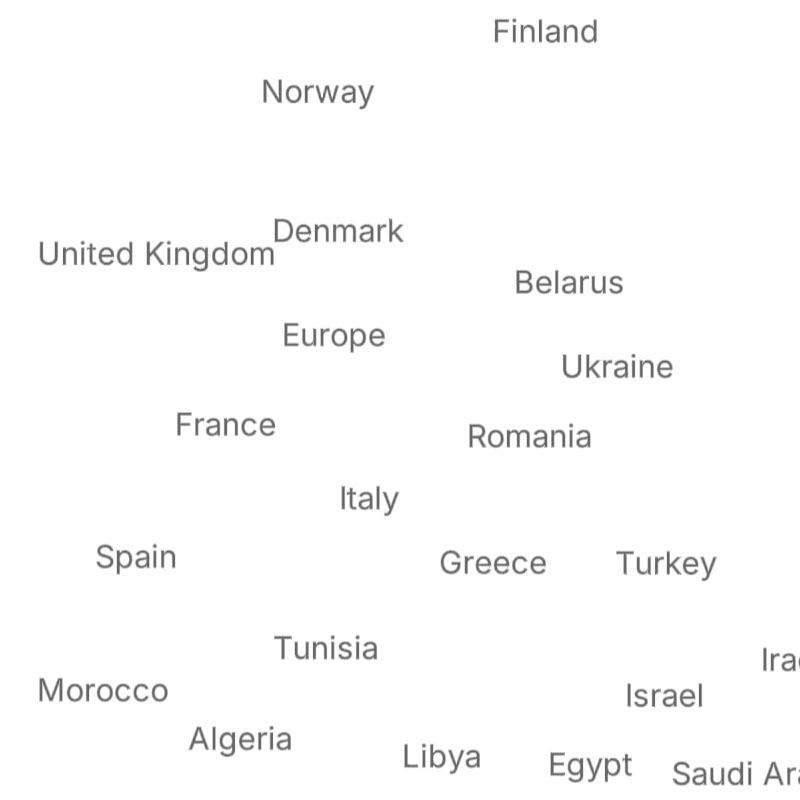
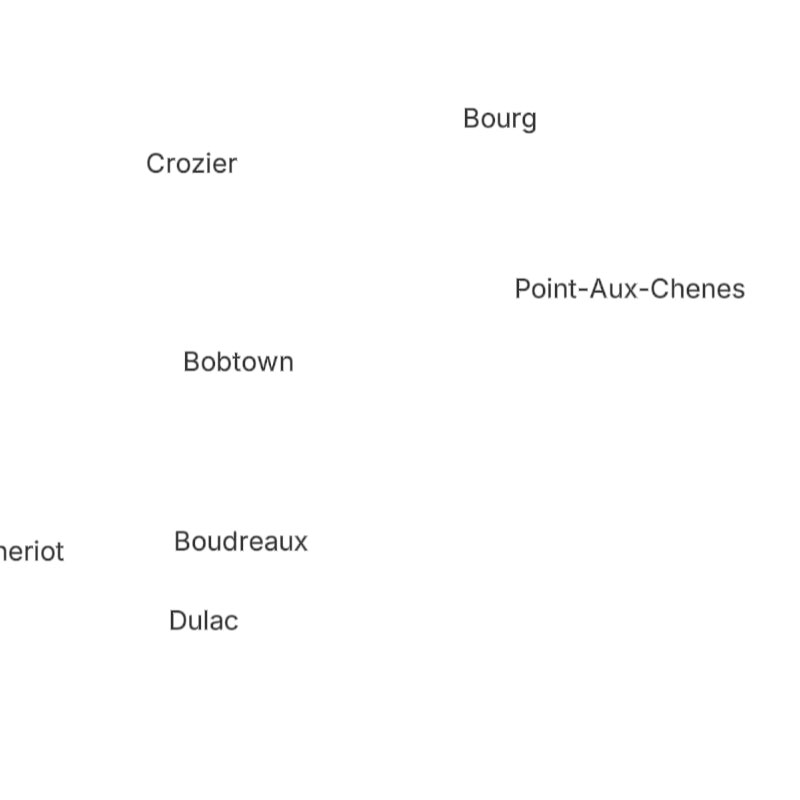
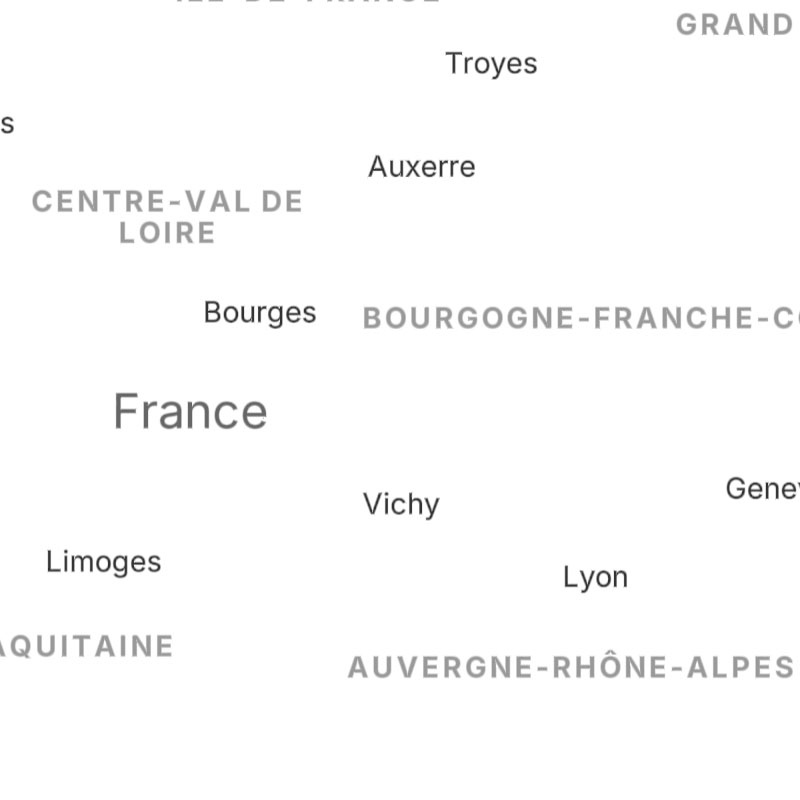
place-country, place-state, place-city, place-neighborhood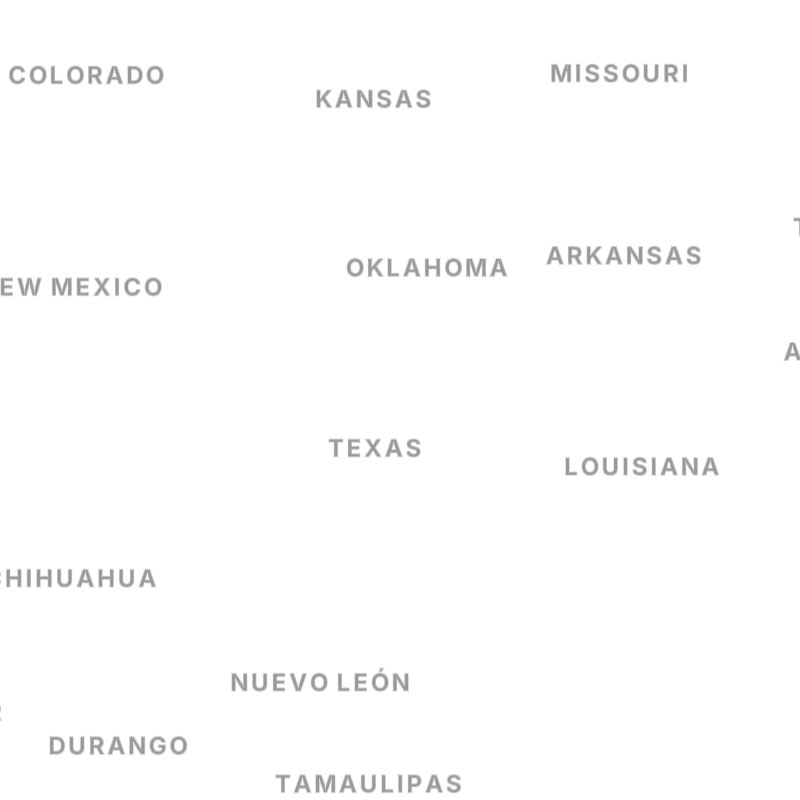
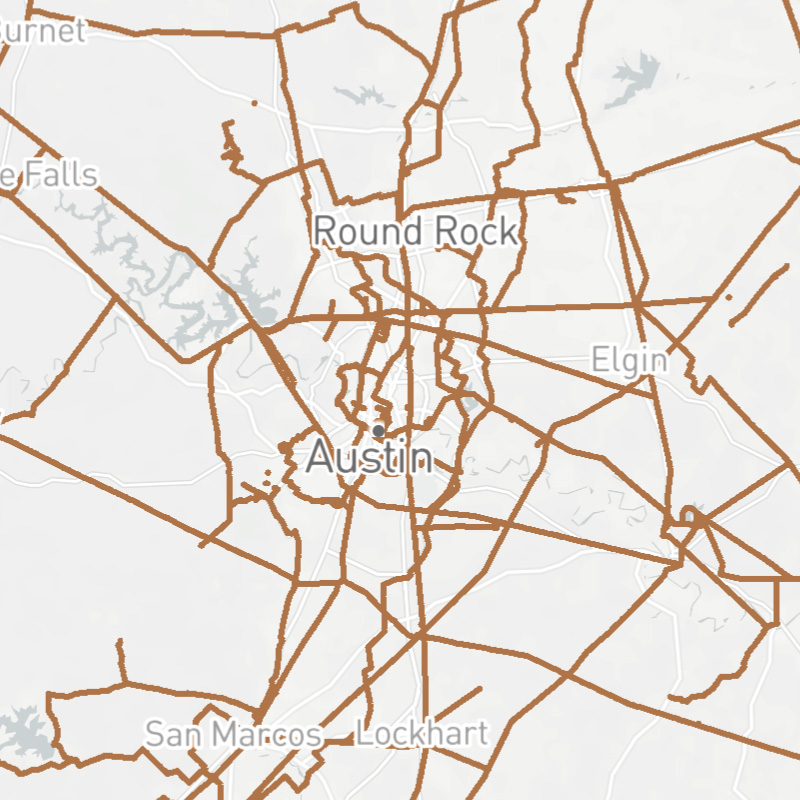
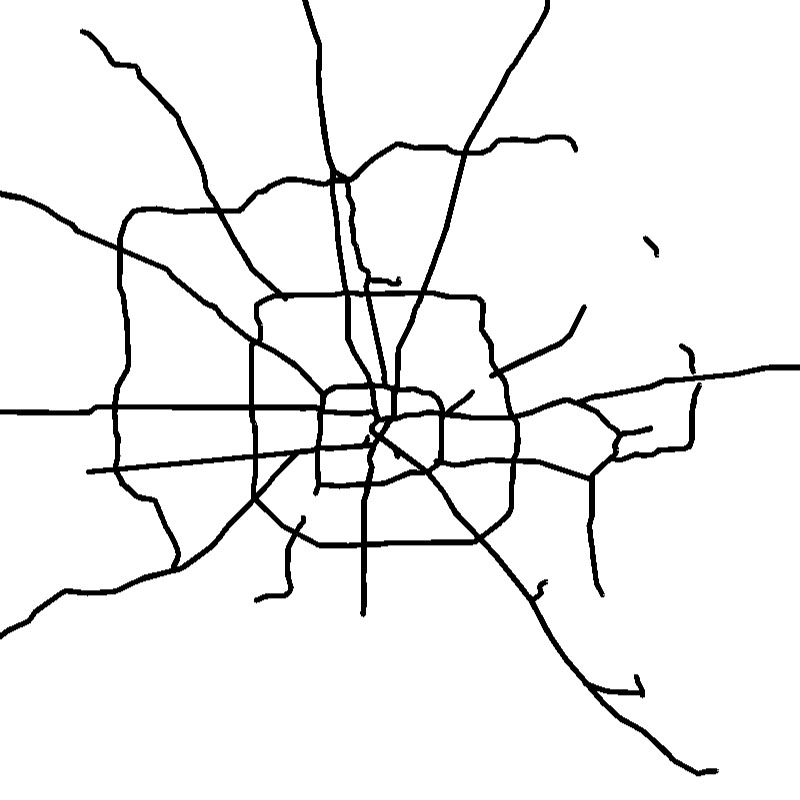
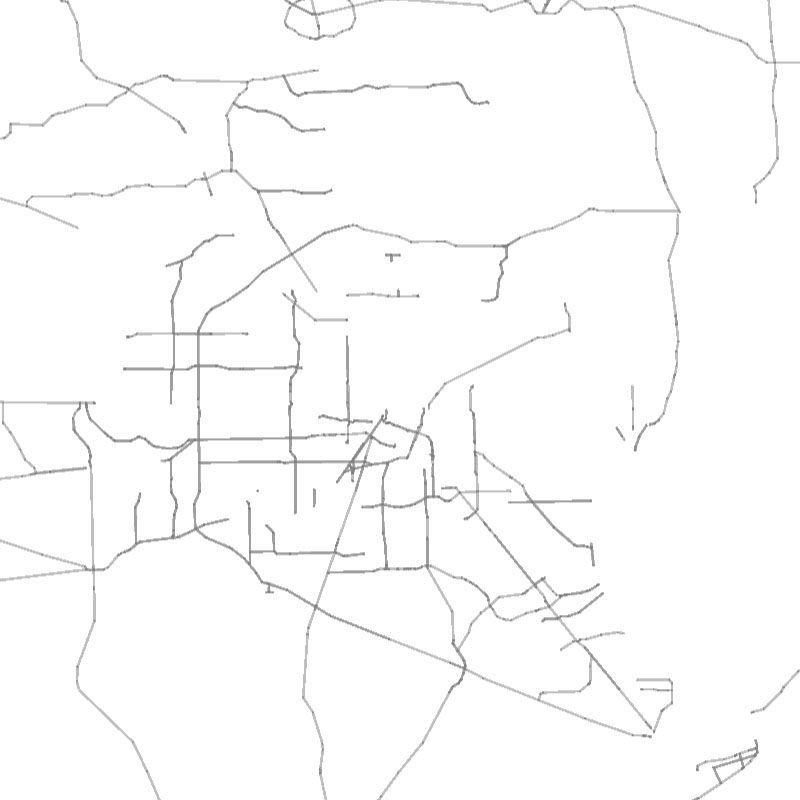
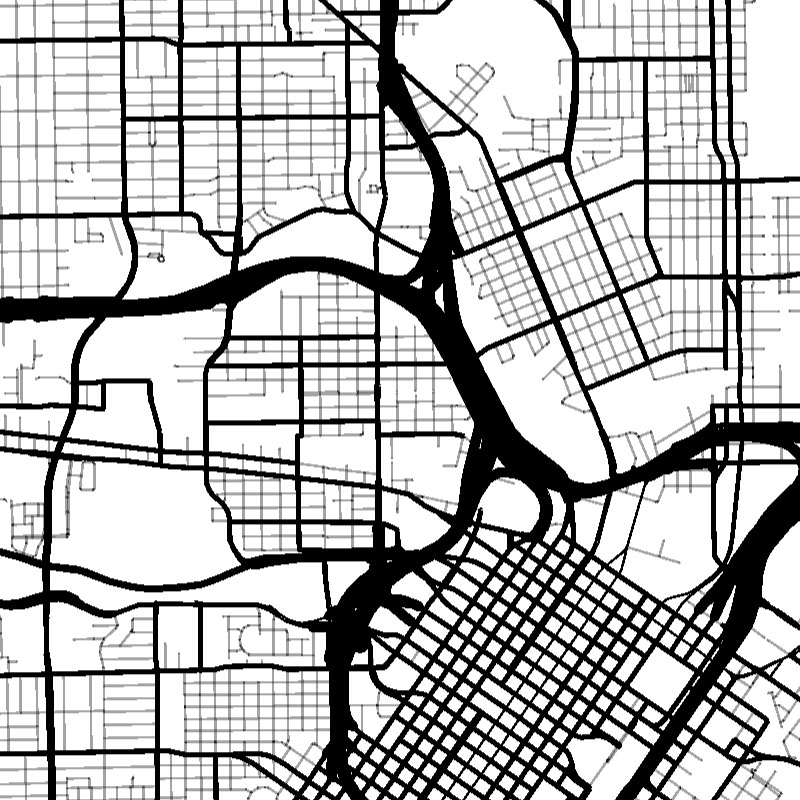
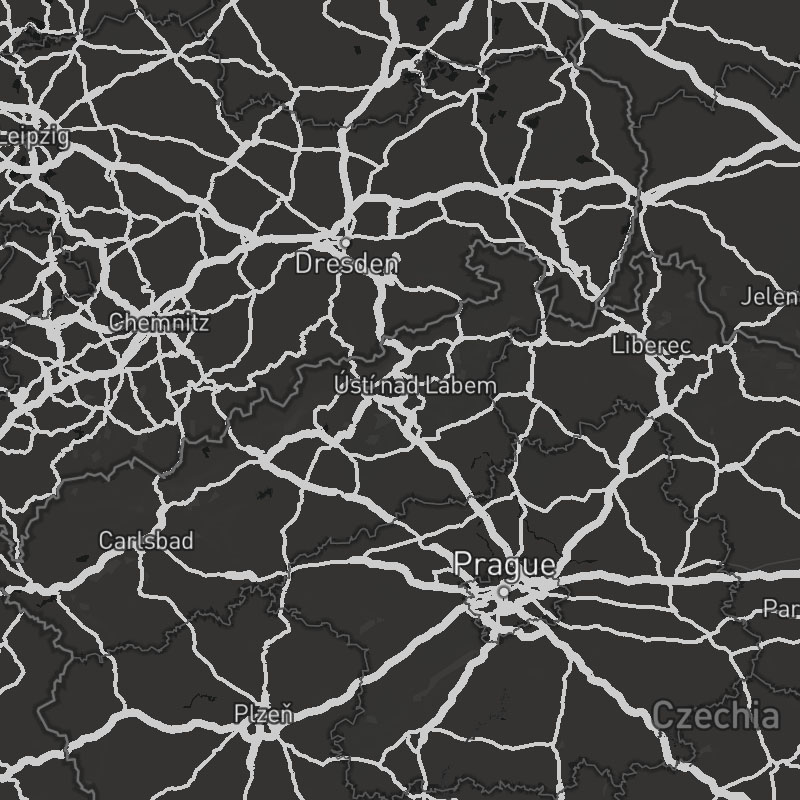
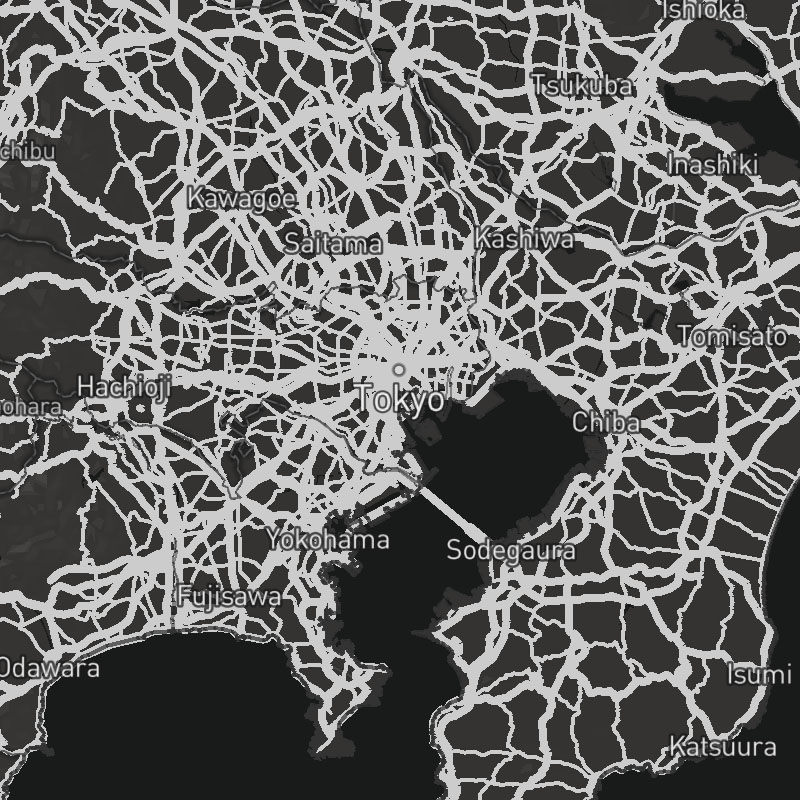
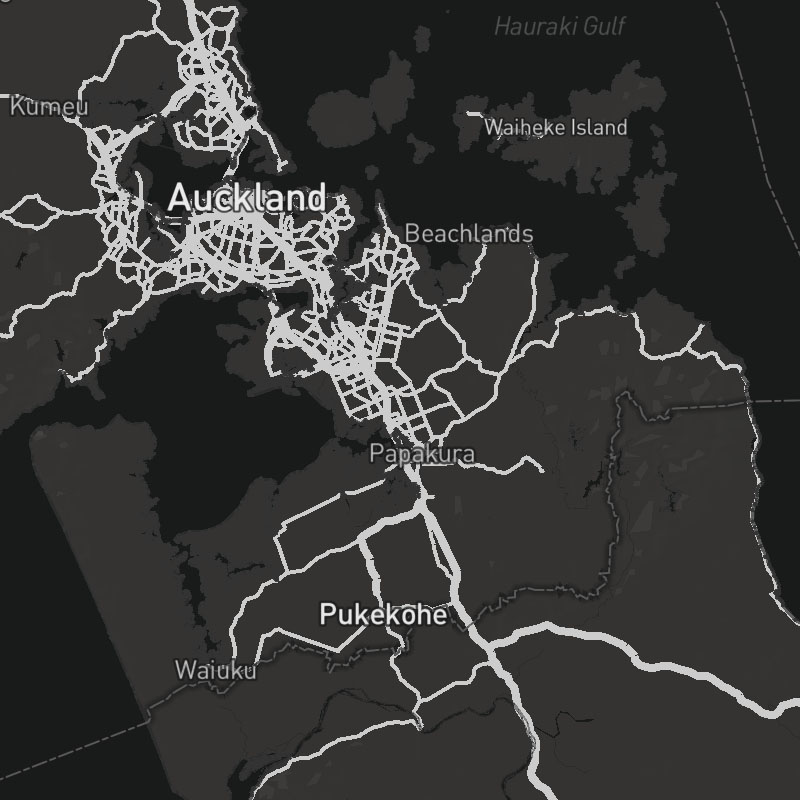
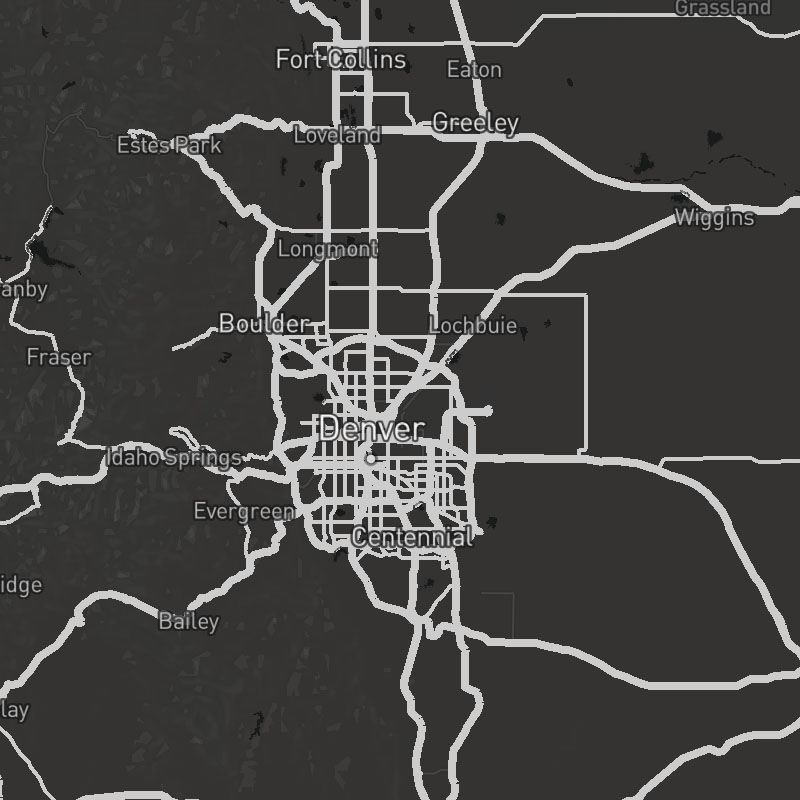
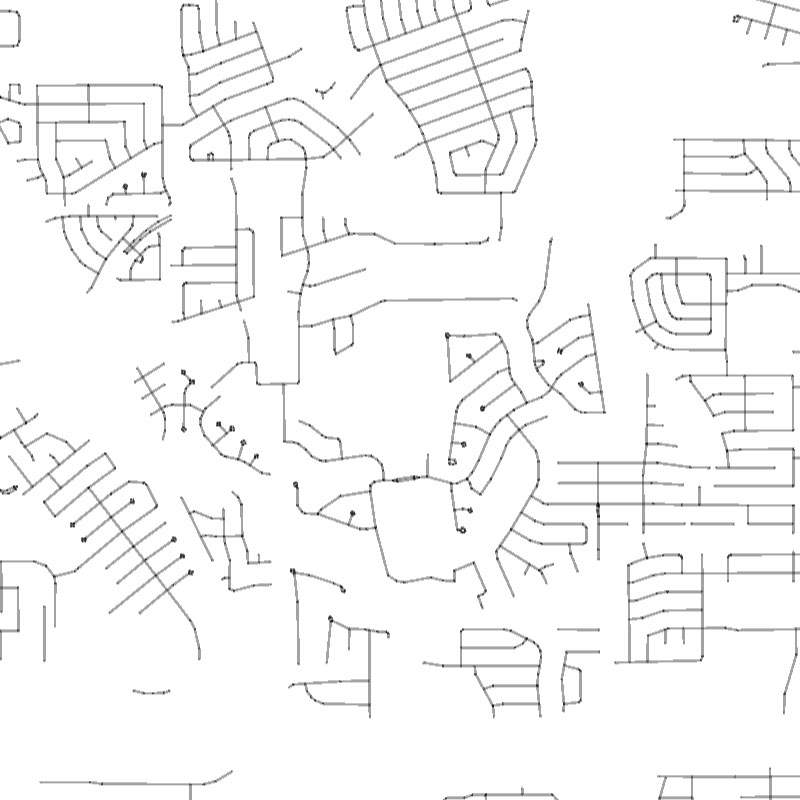
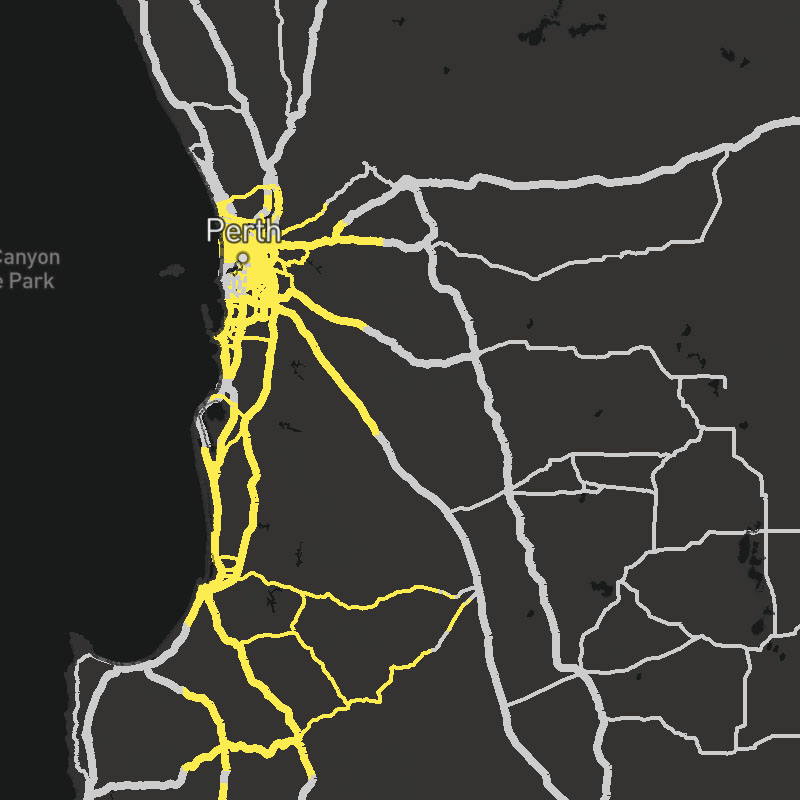
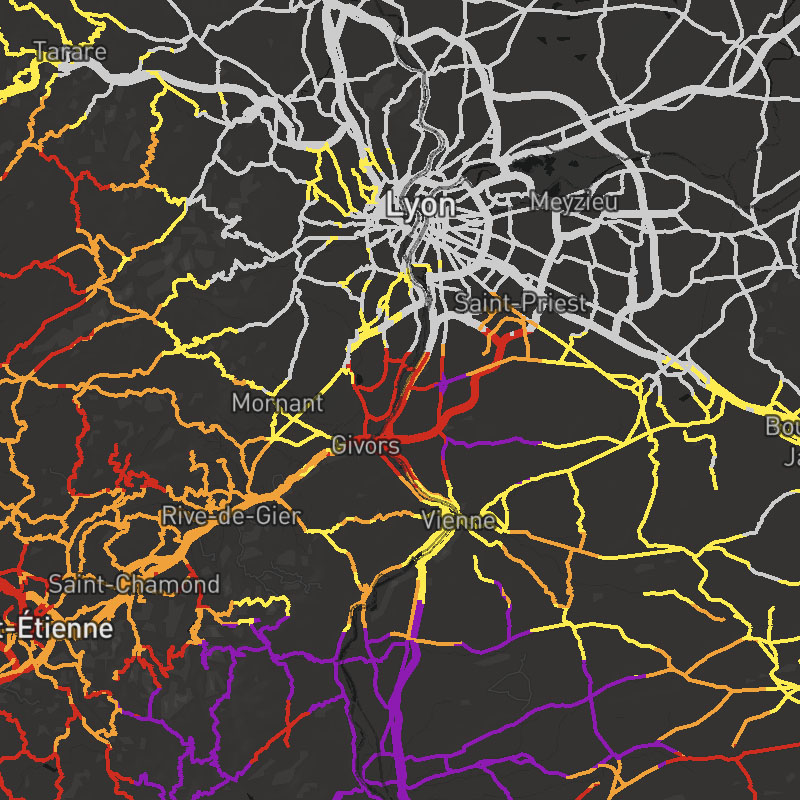
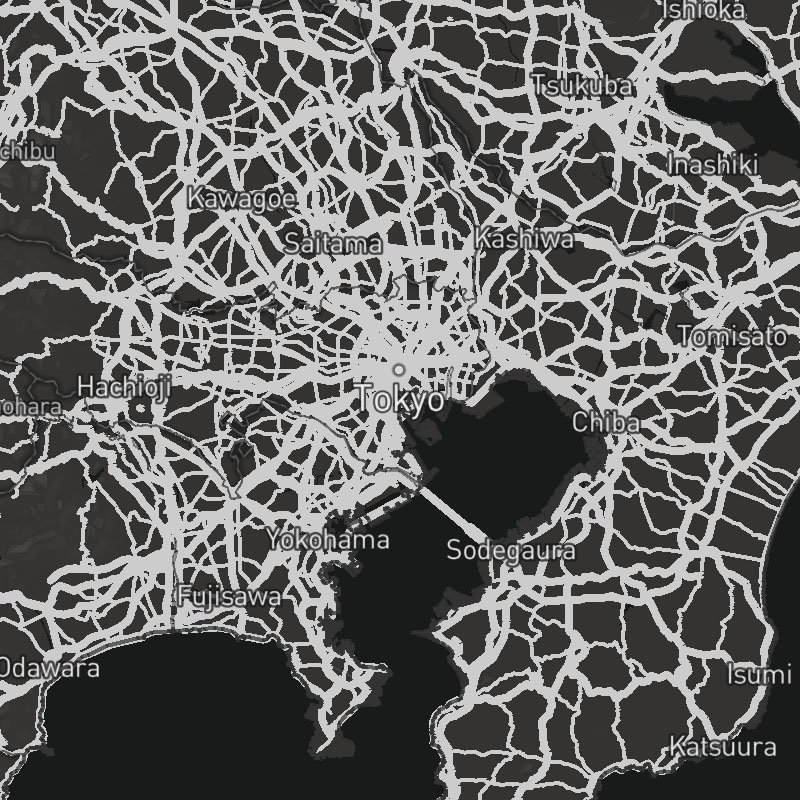
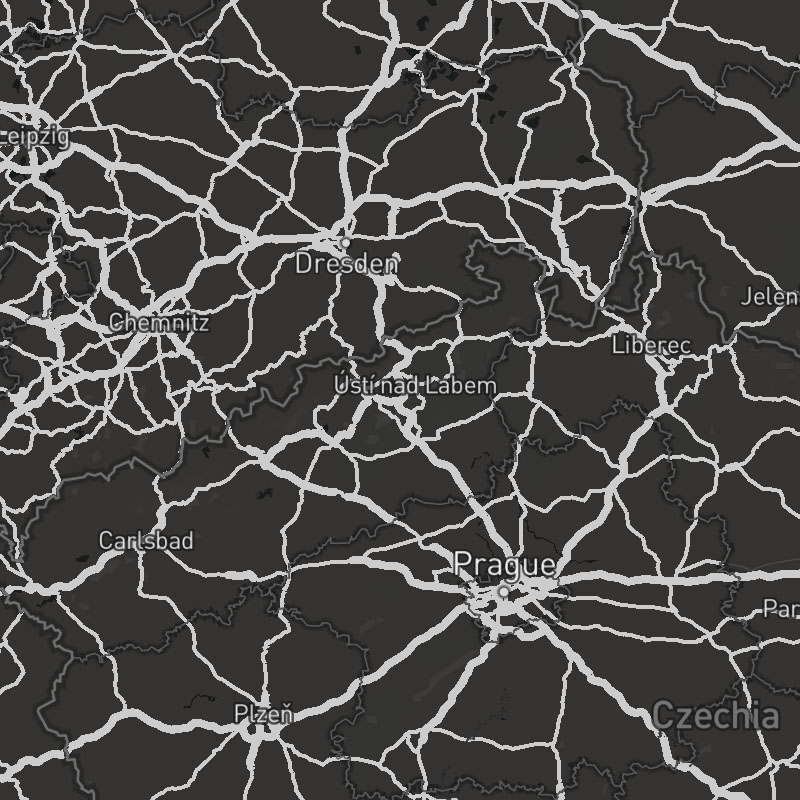
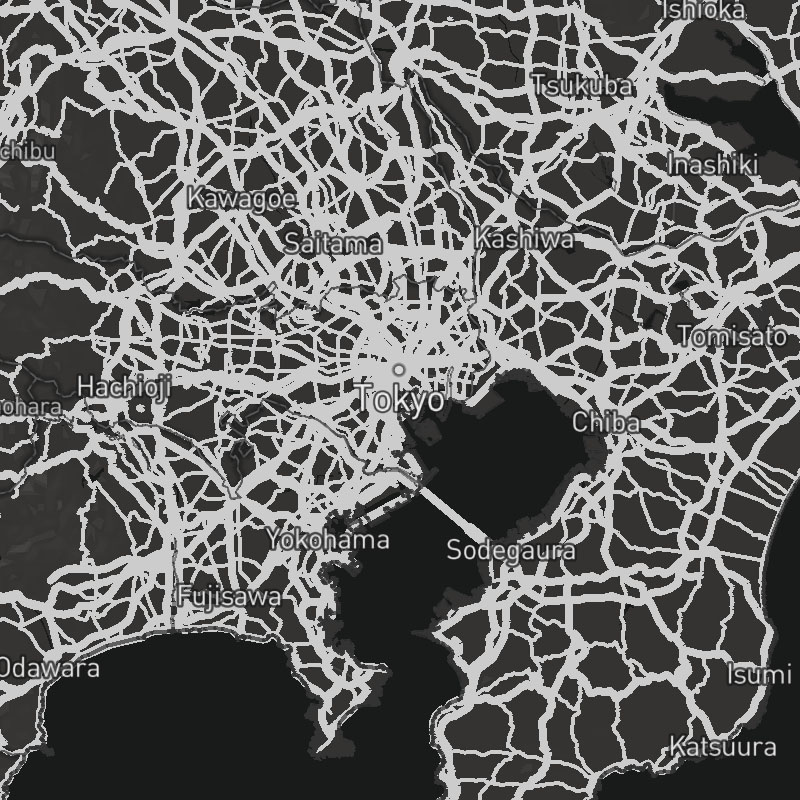
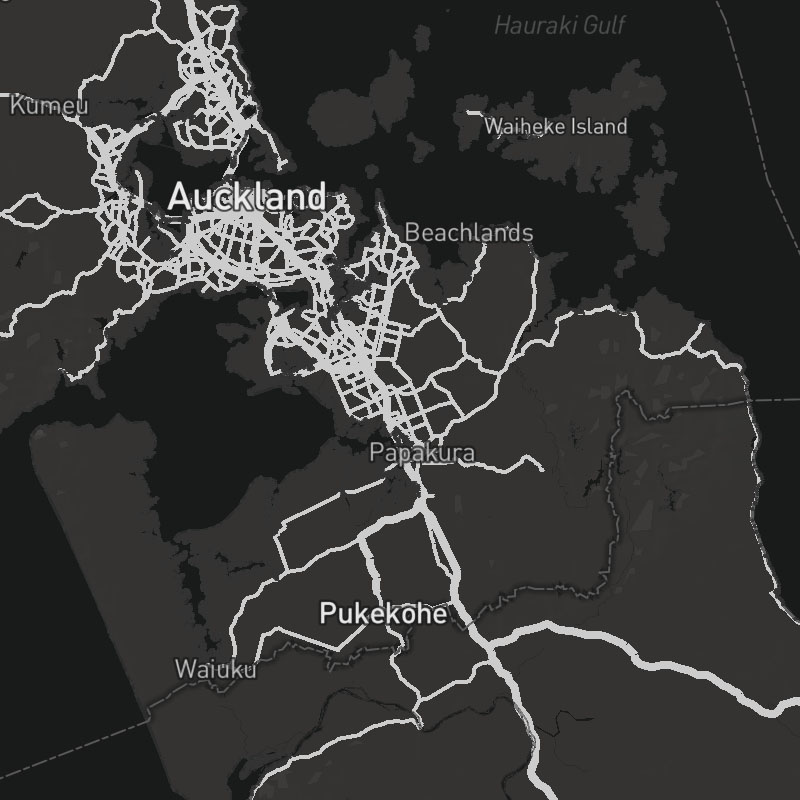
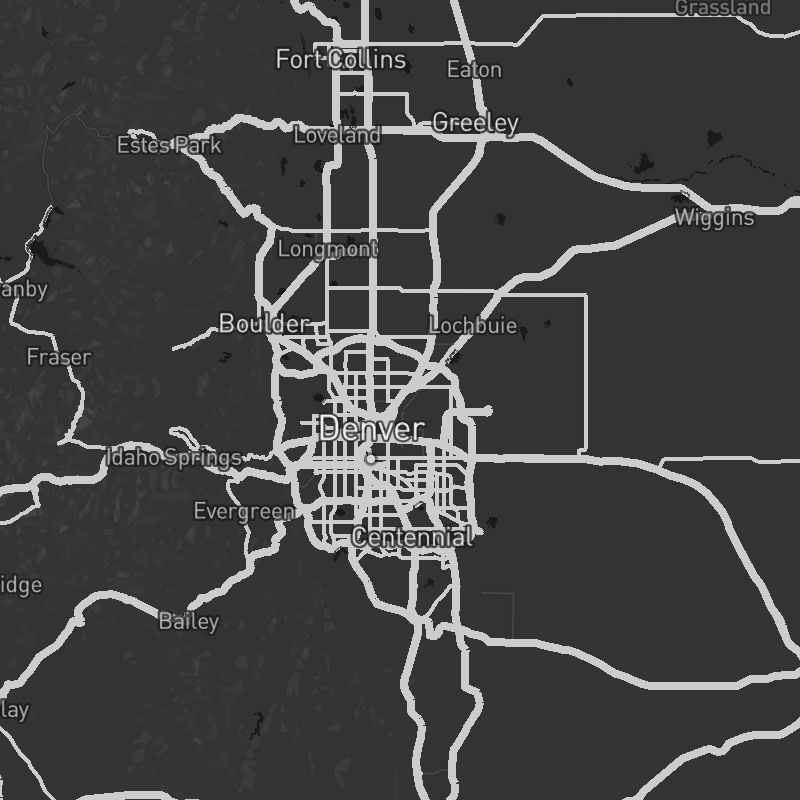
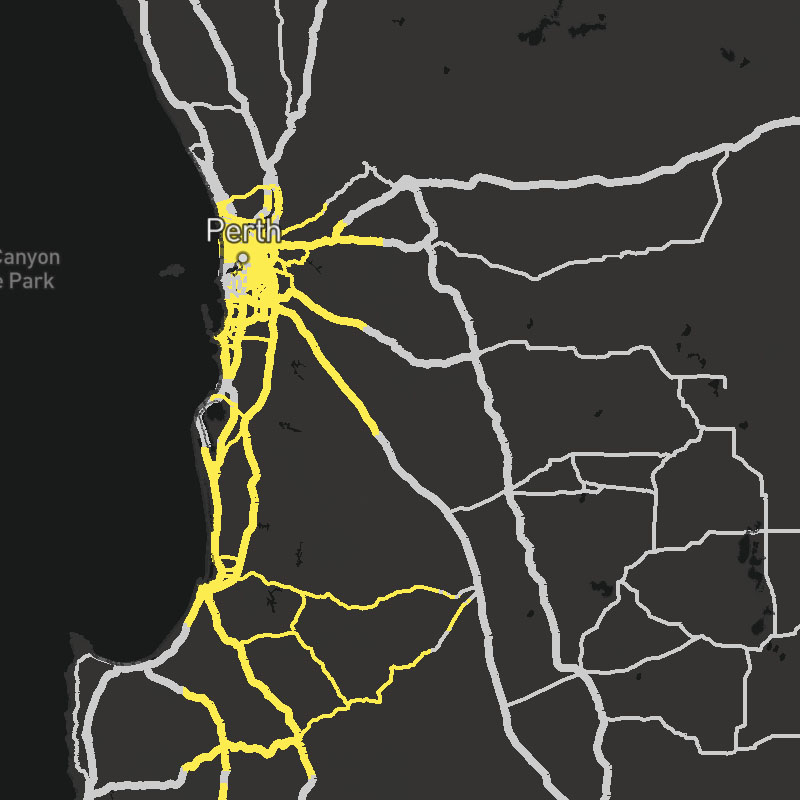
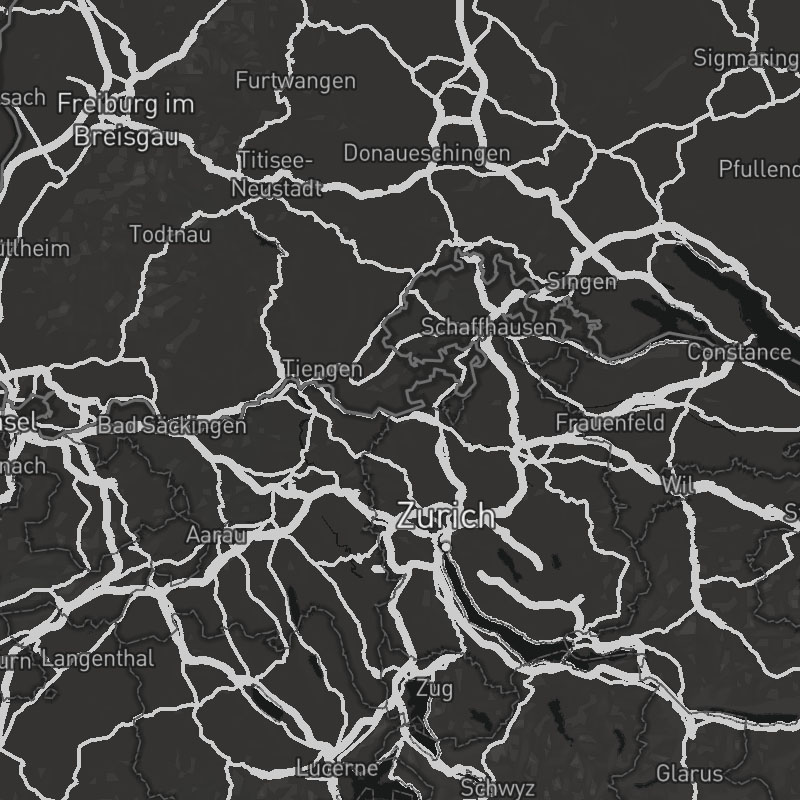
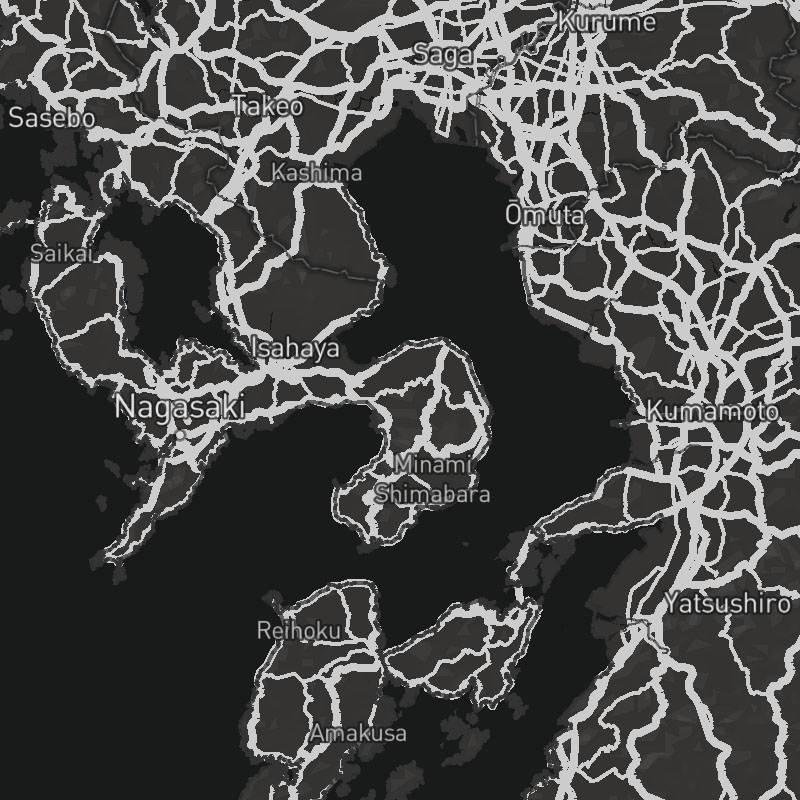
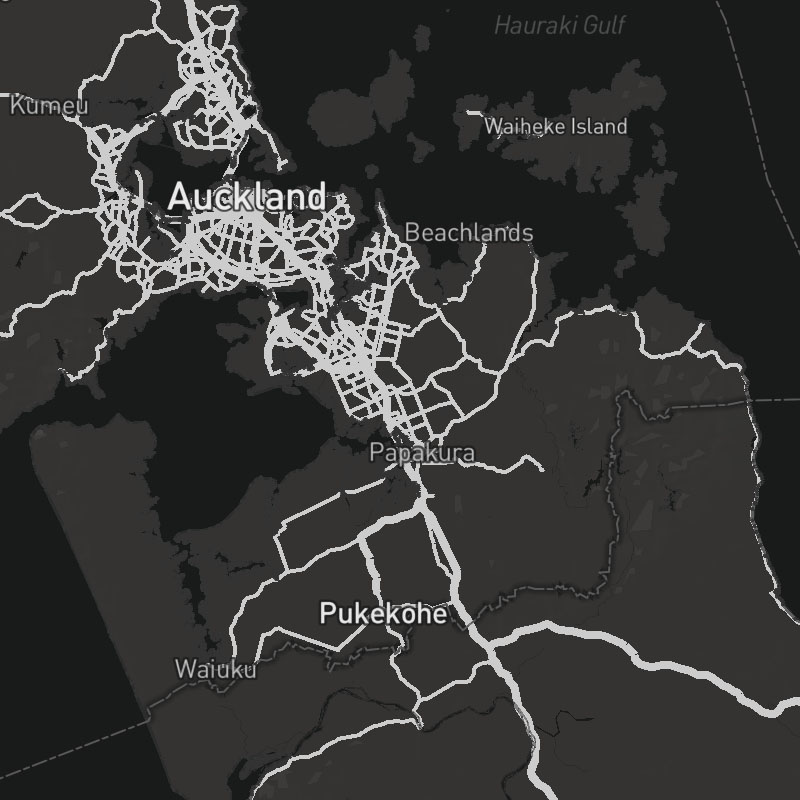
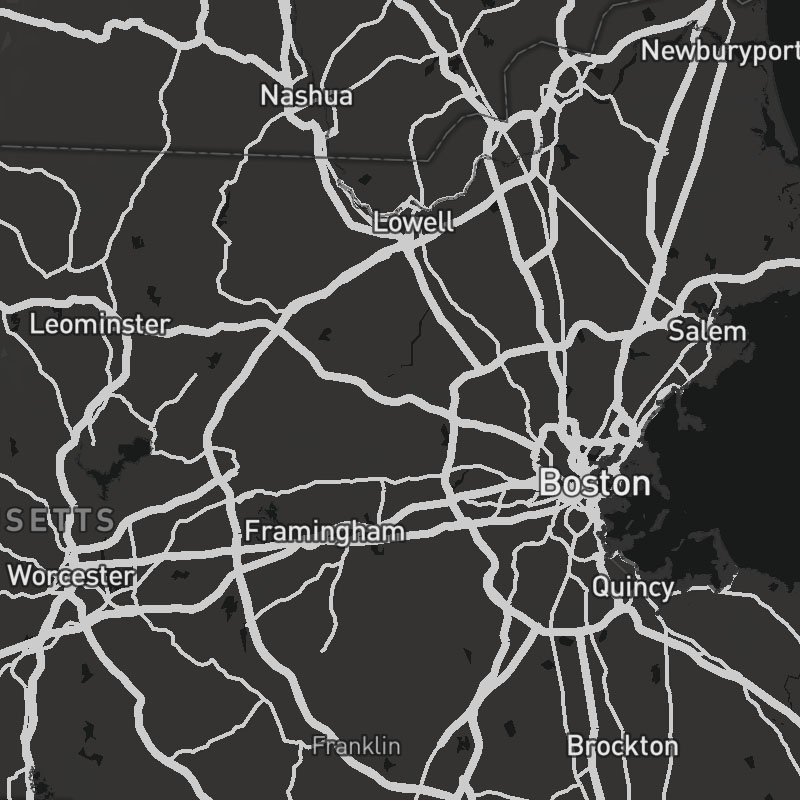
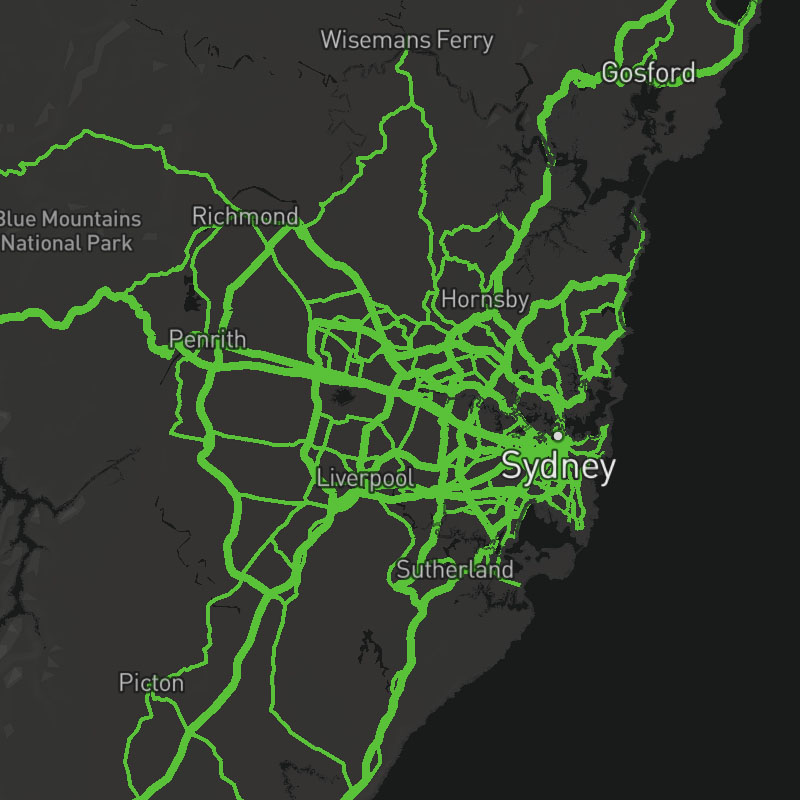
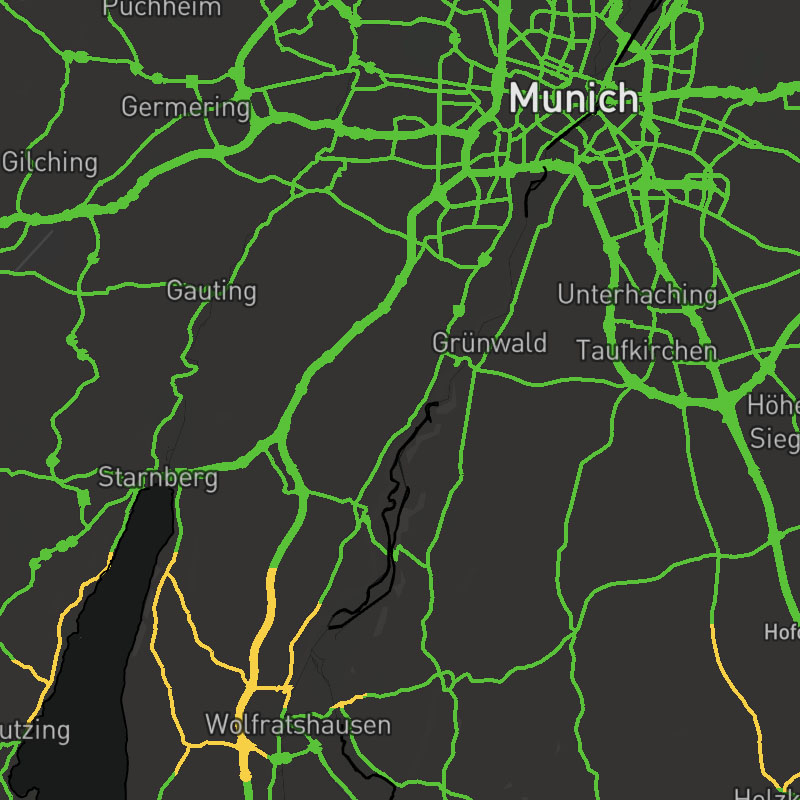
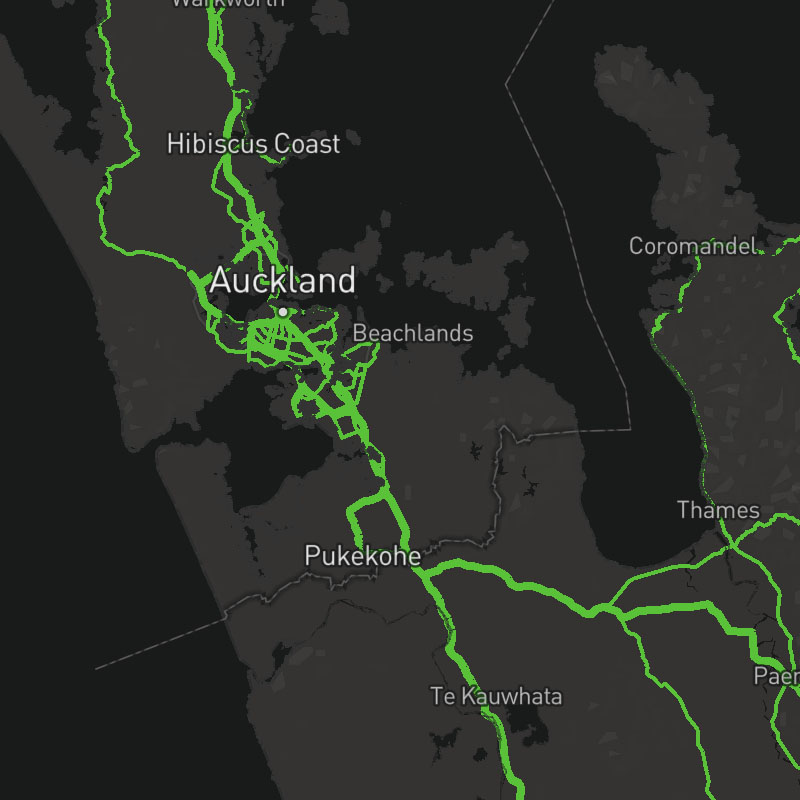
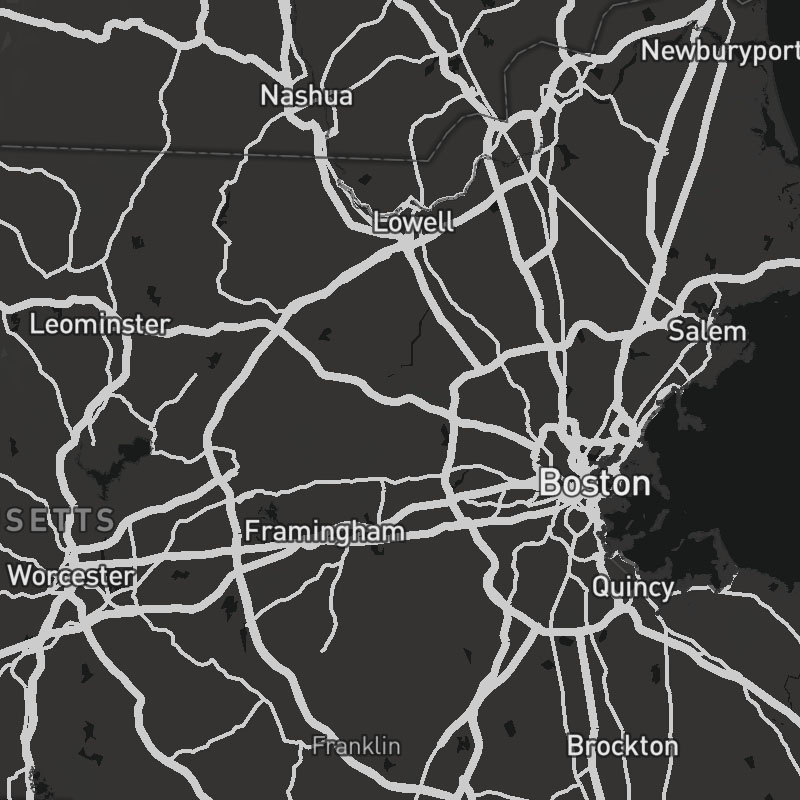
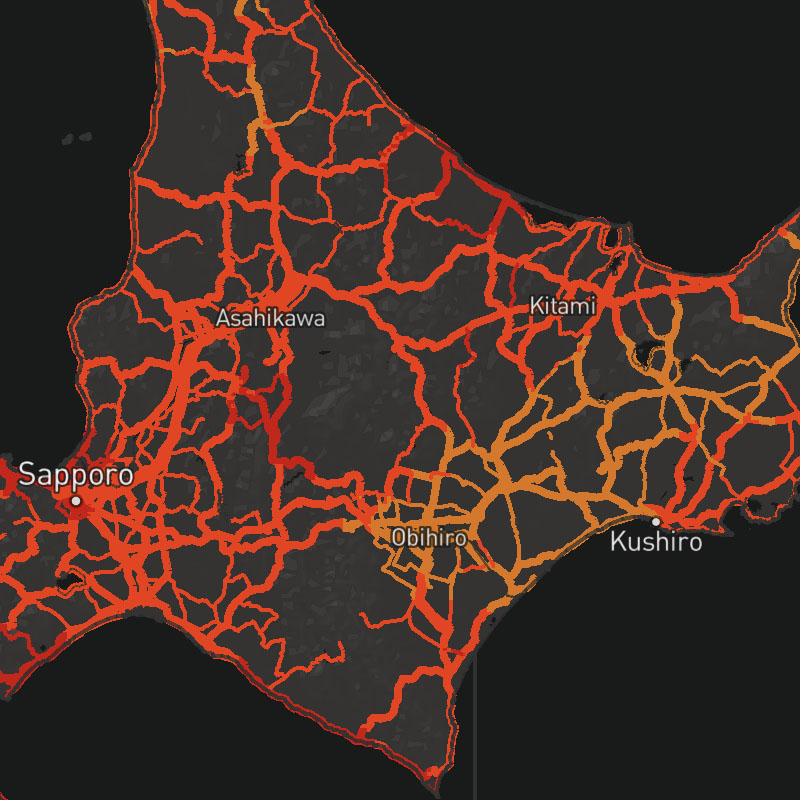
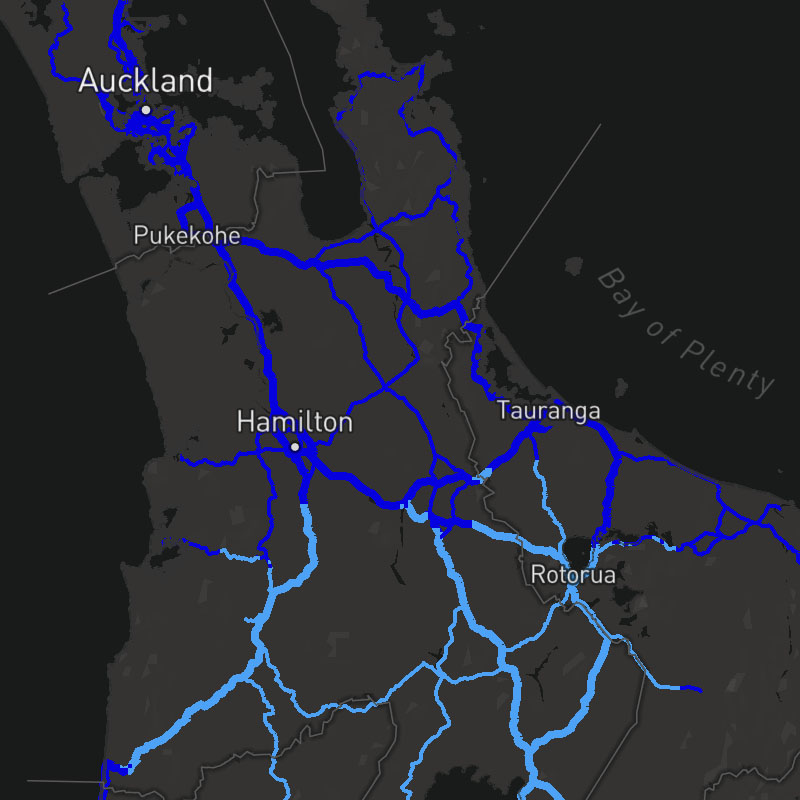
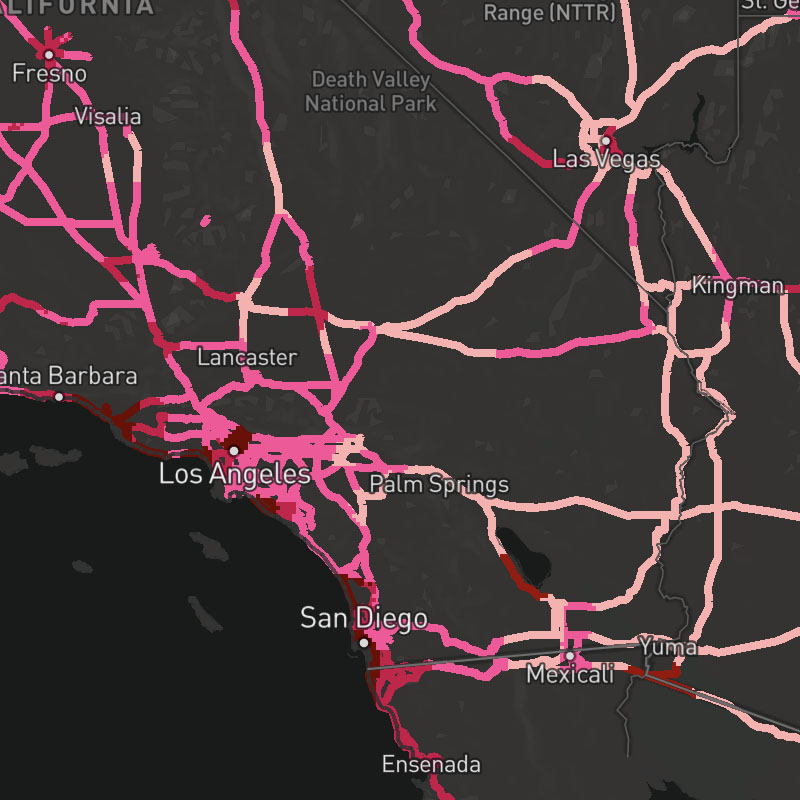
road-motorway, road-trunk, road-primary, road-secondary-tertiary, road-street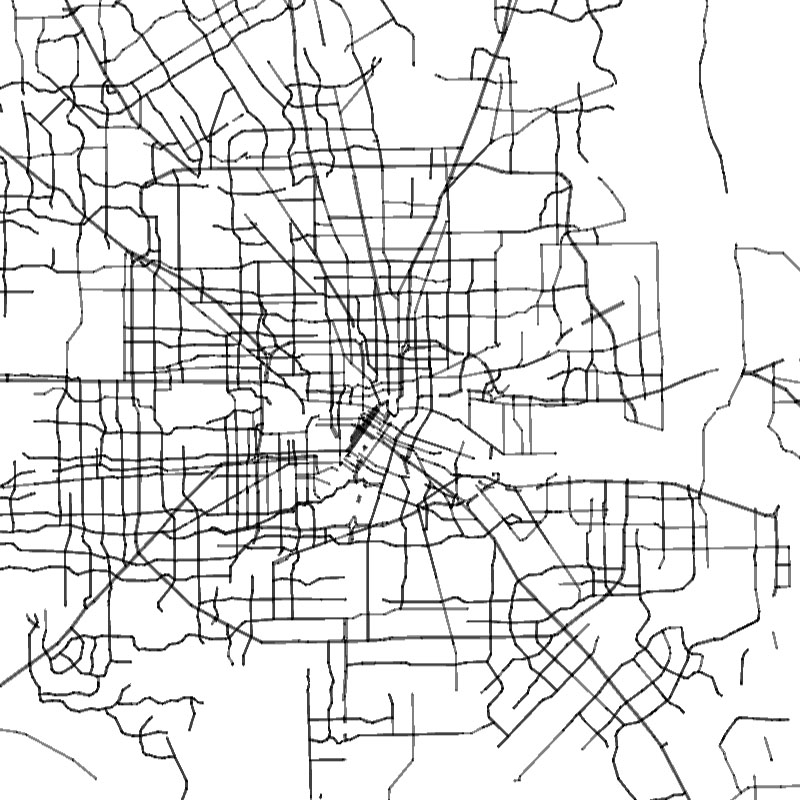

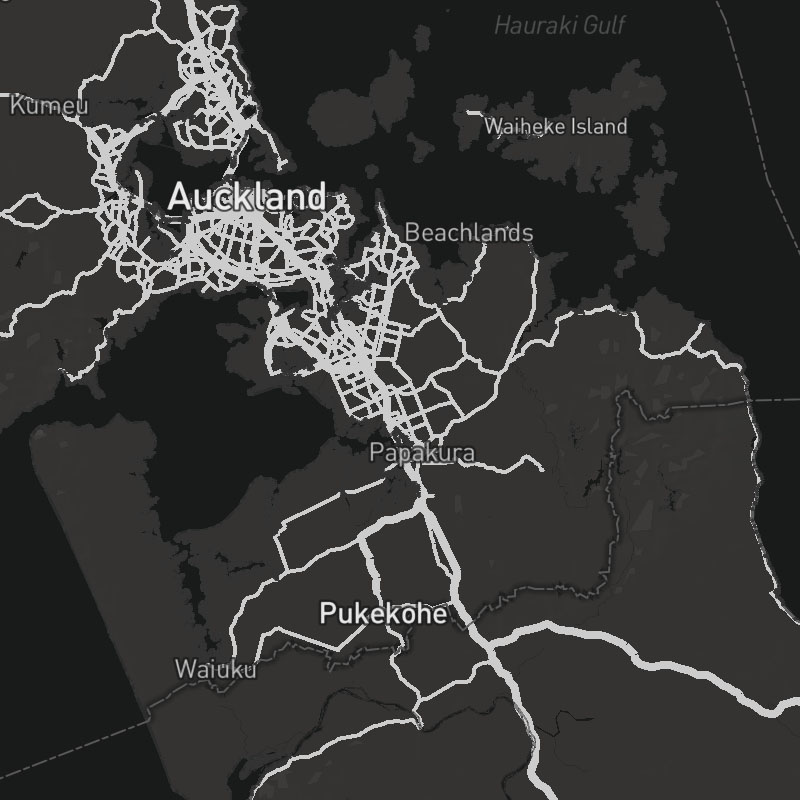
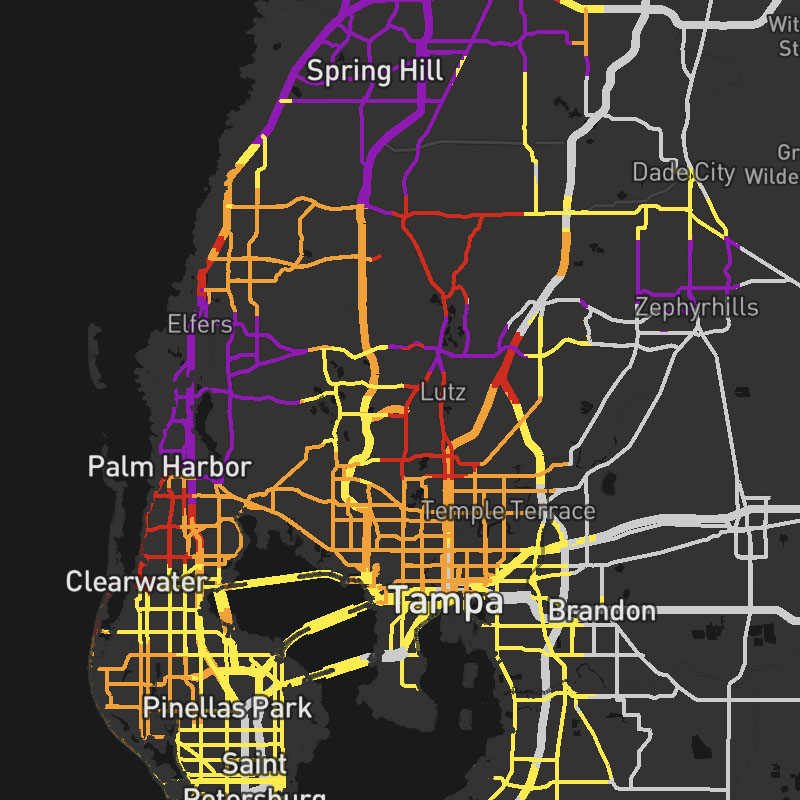
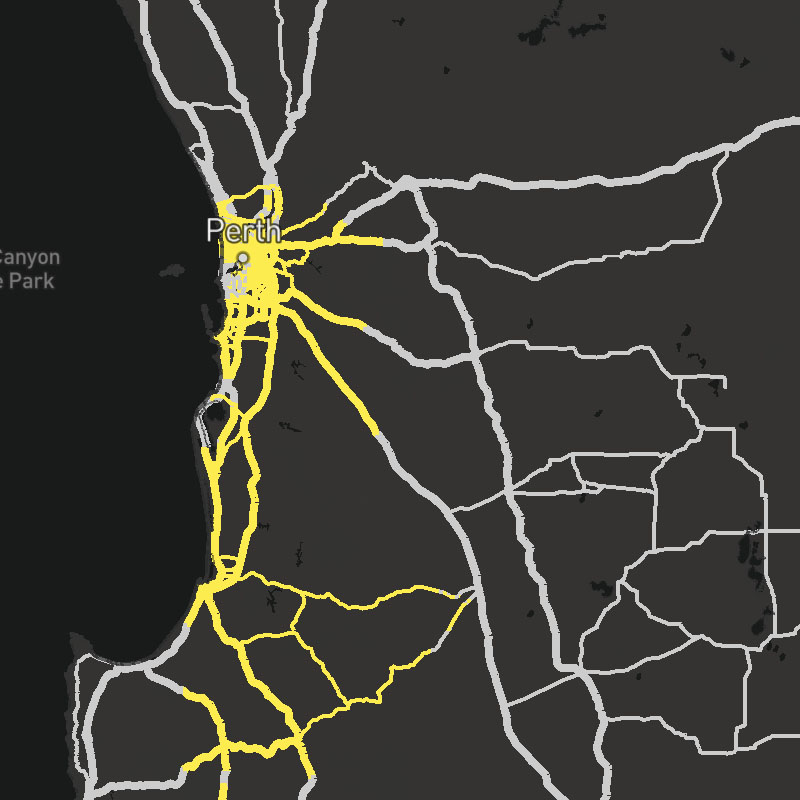
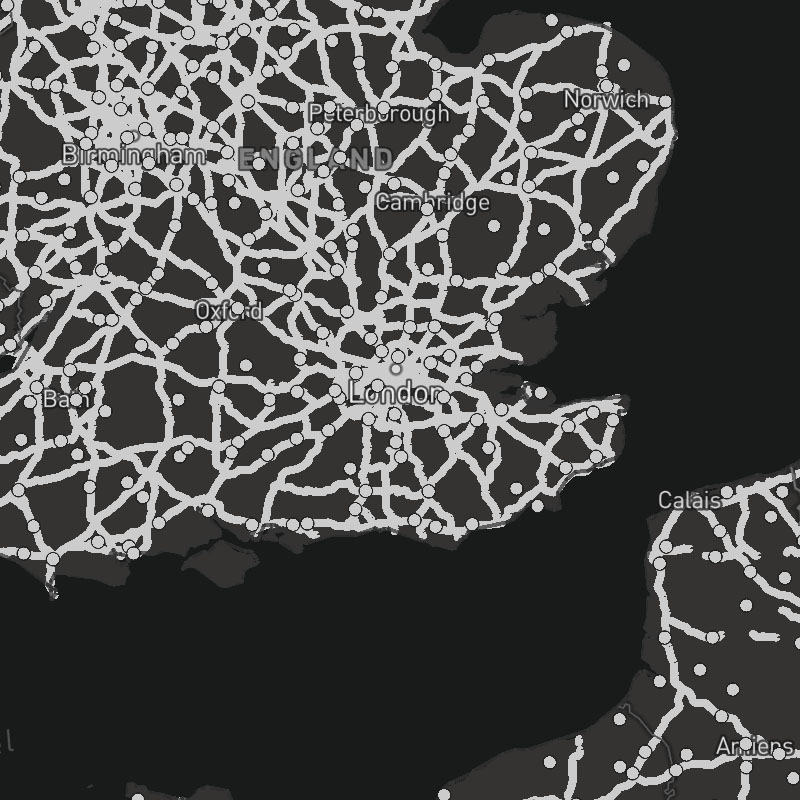
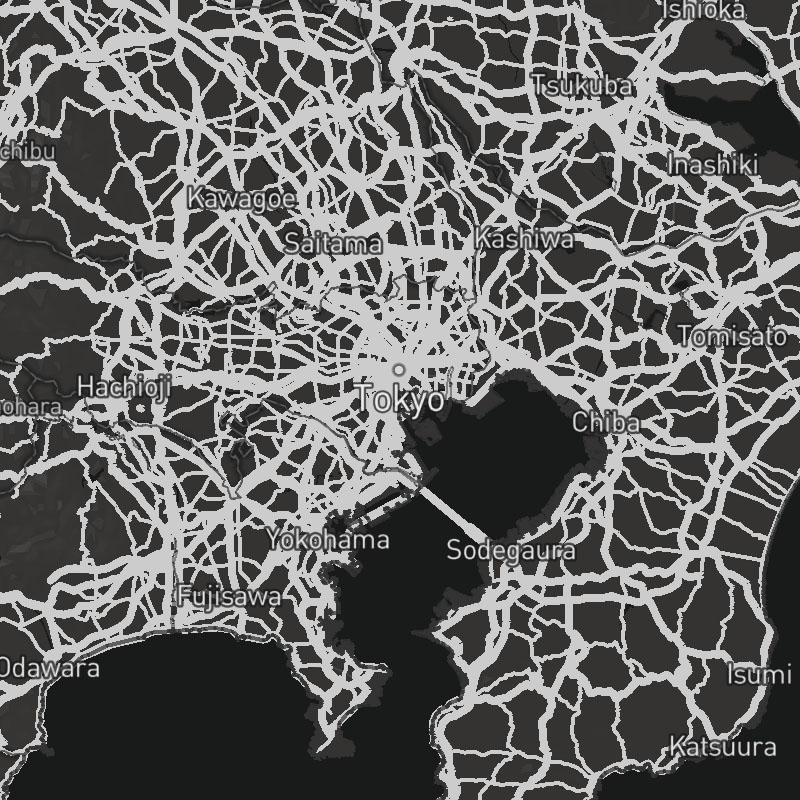
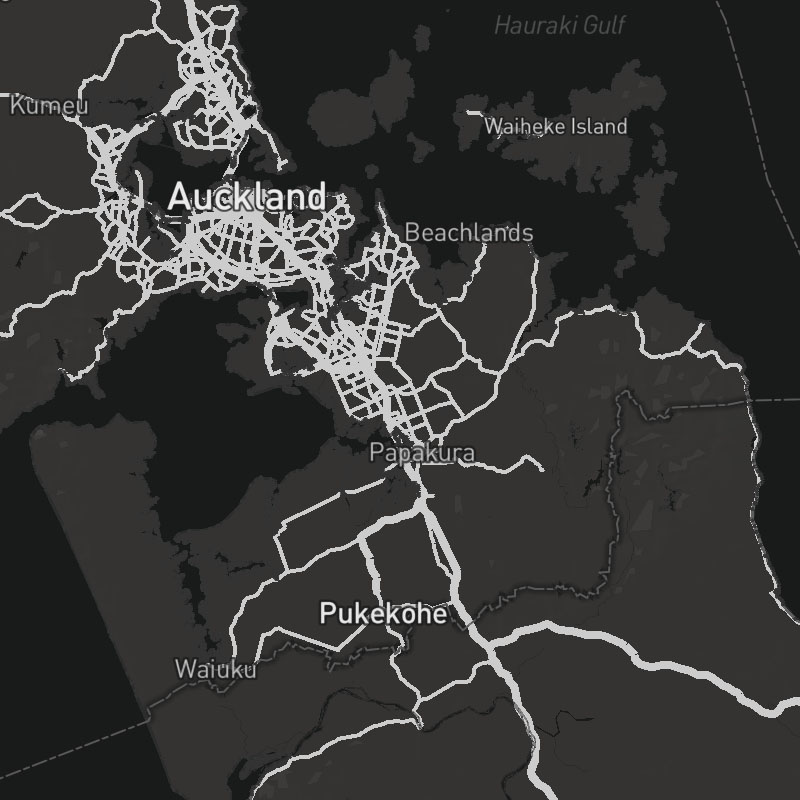
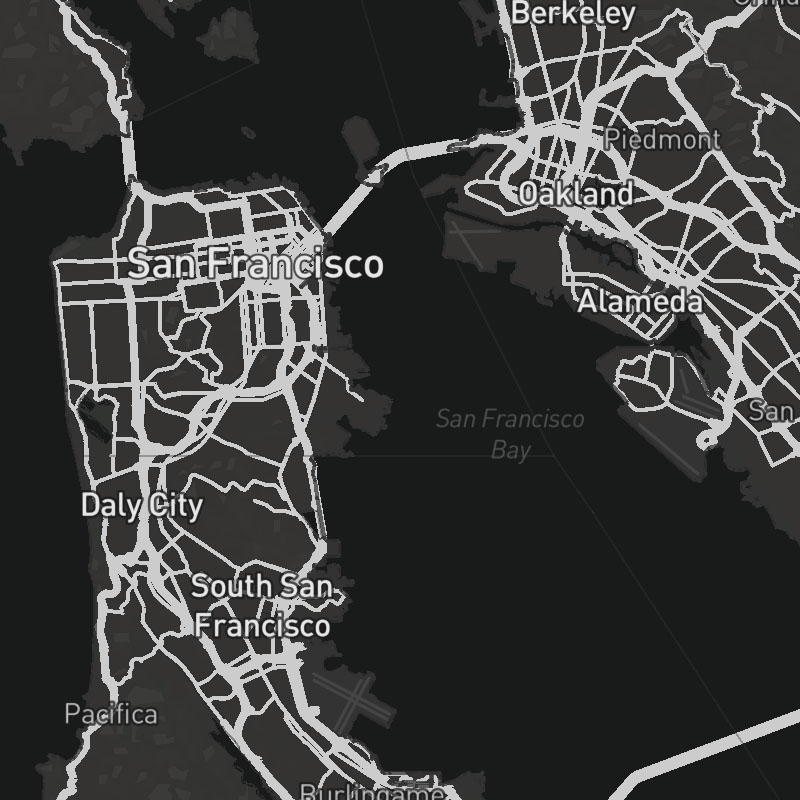
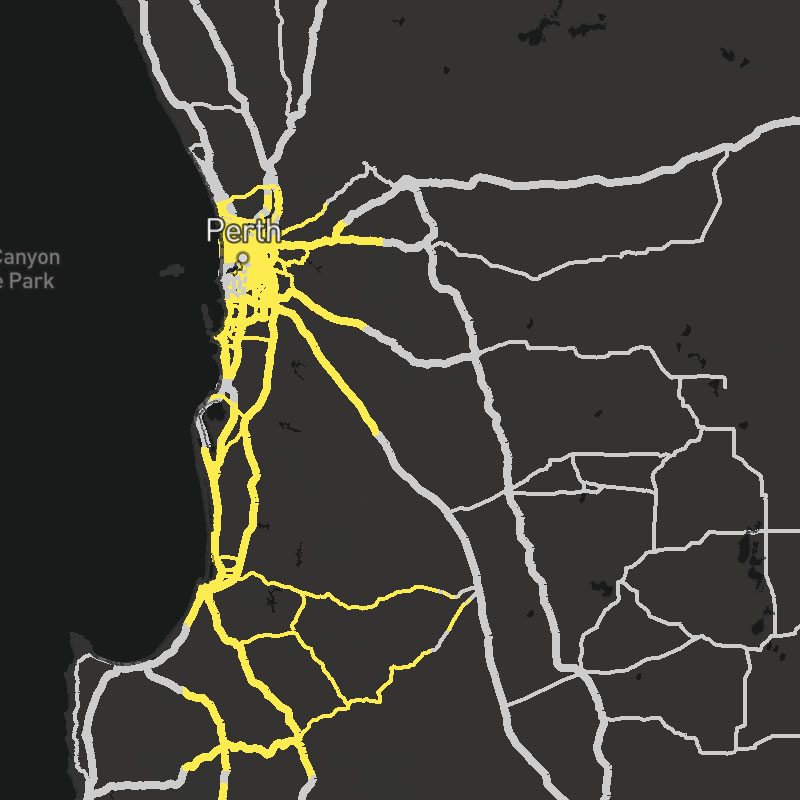
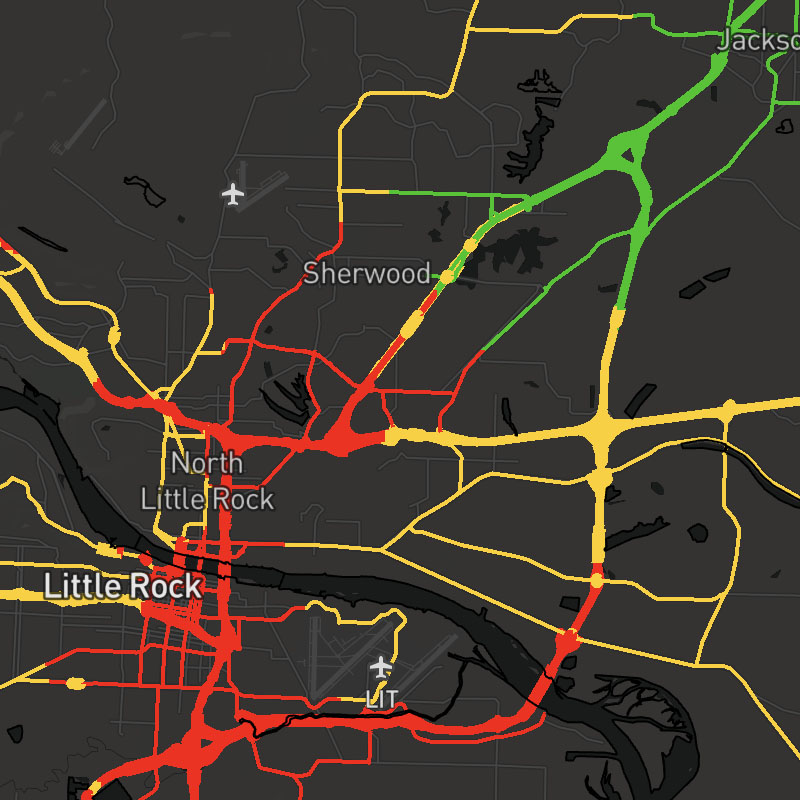
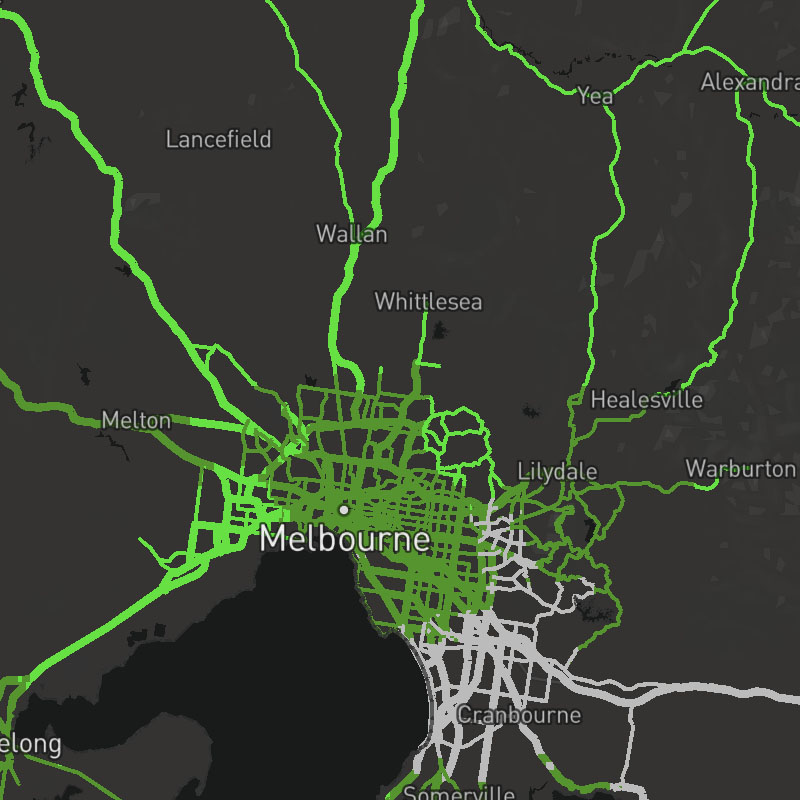
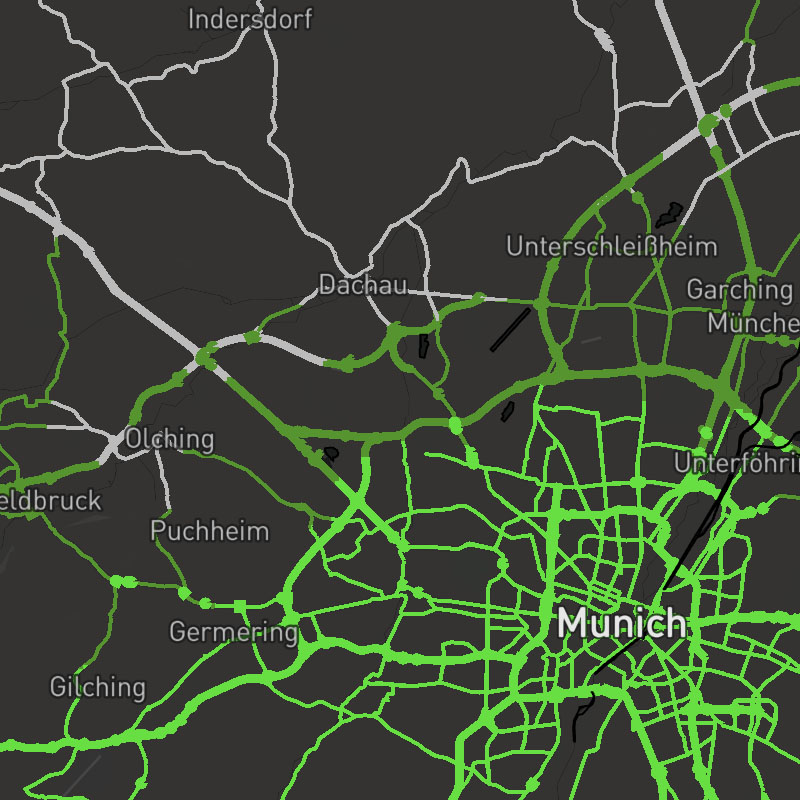
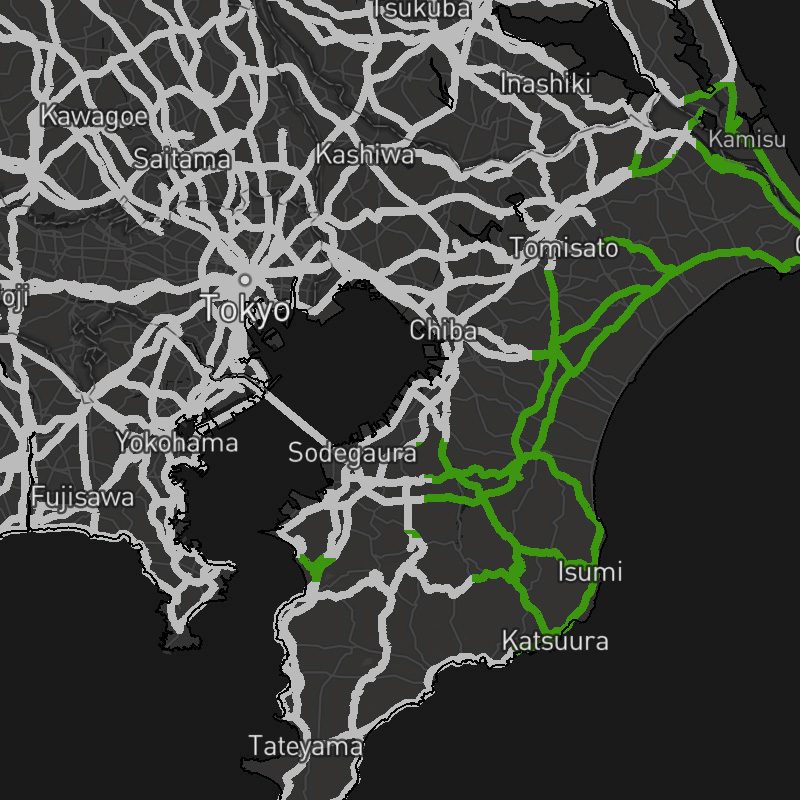
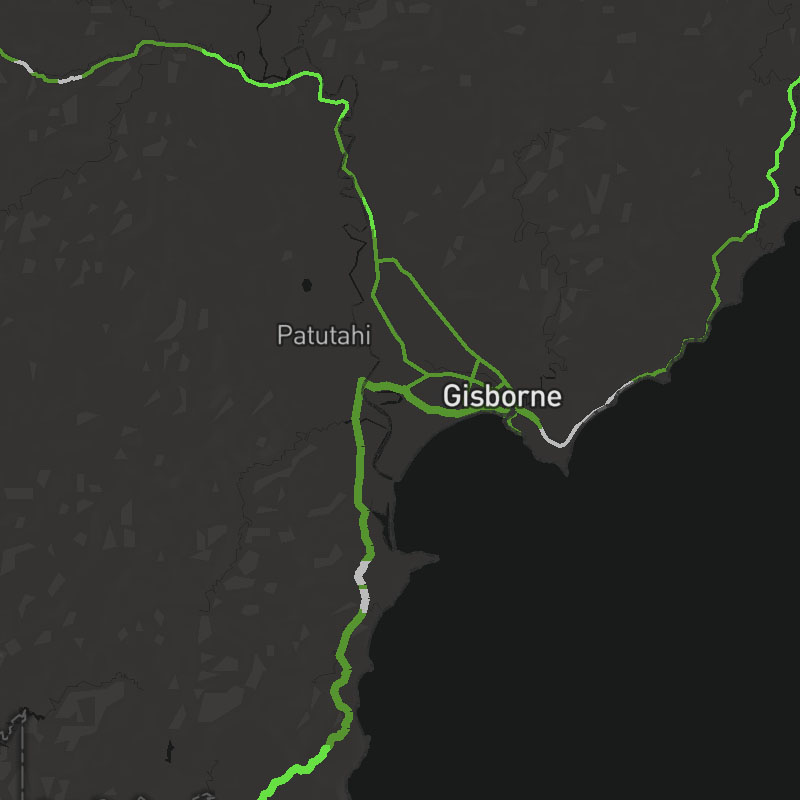
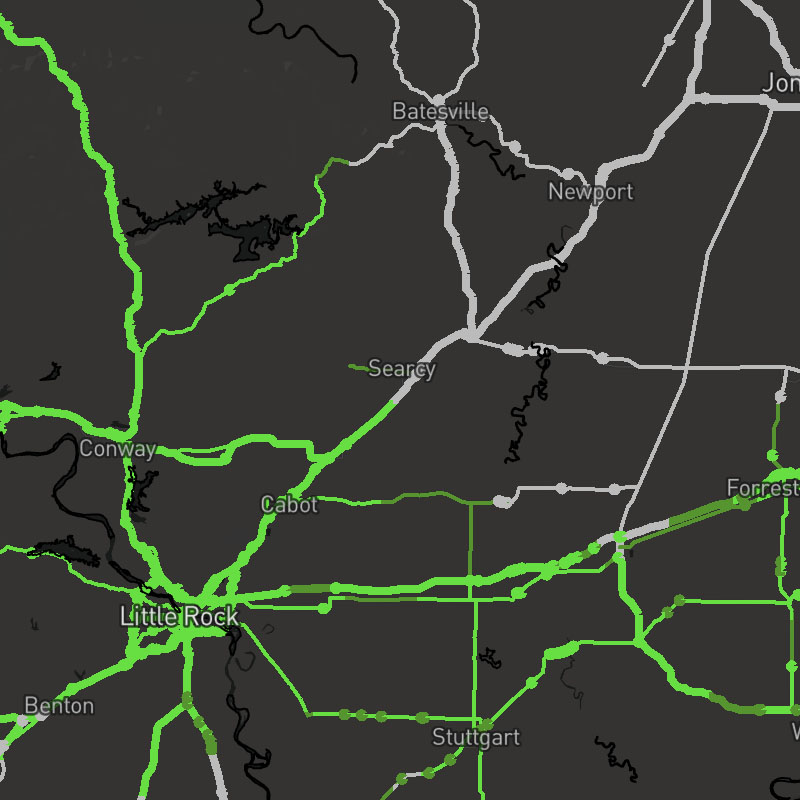
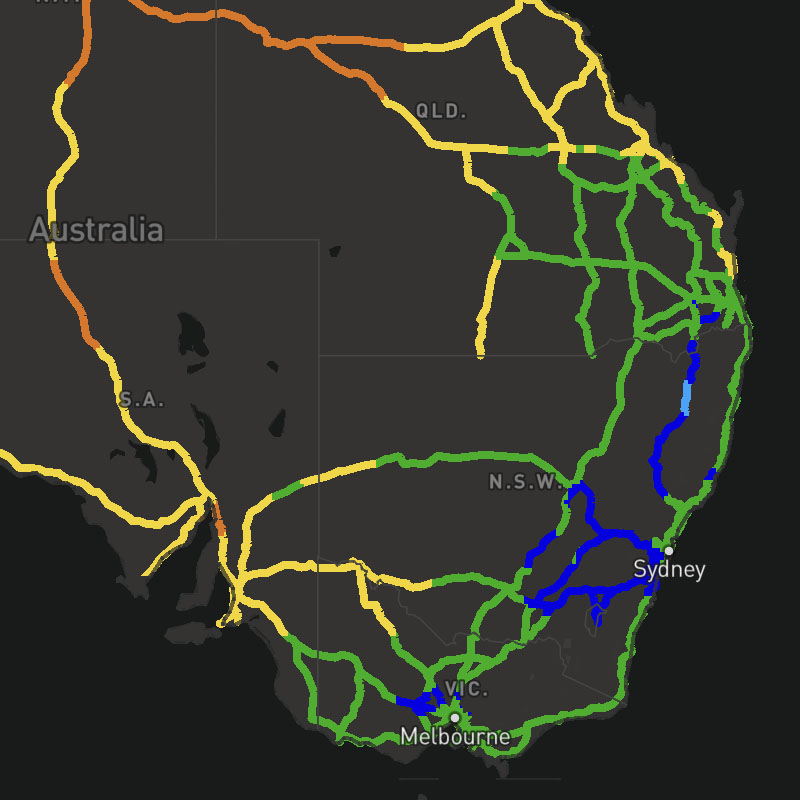
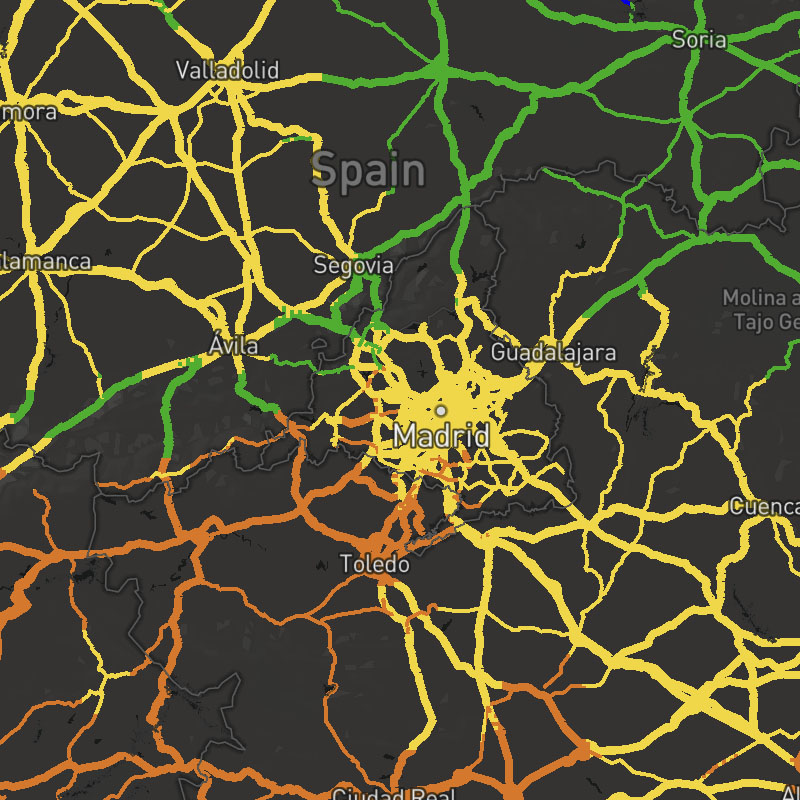
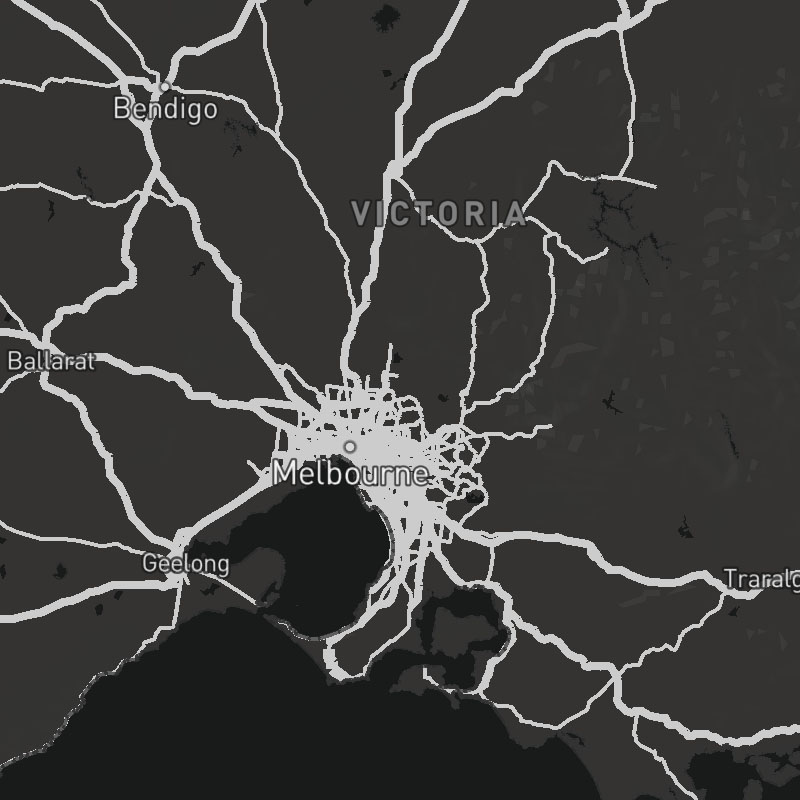
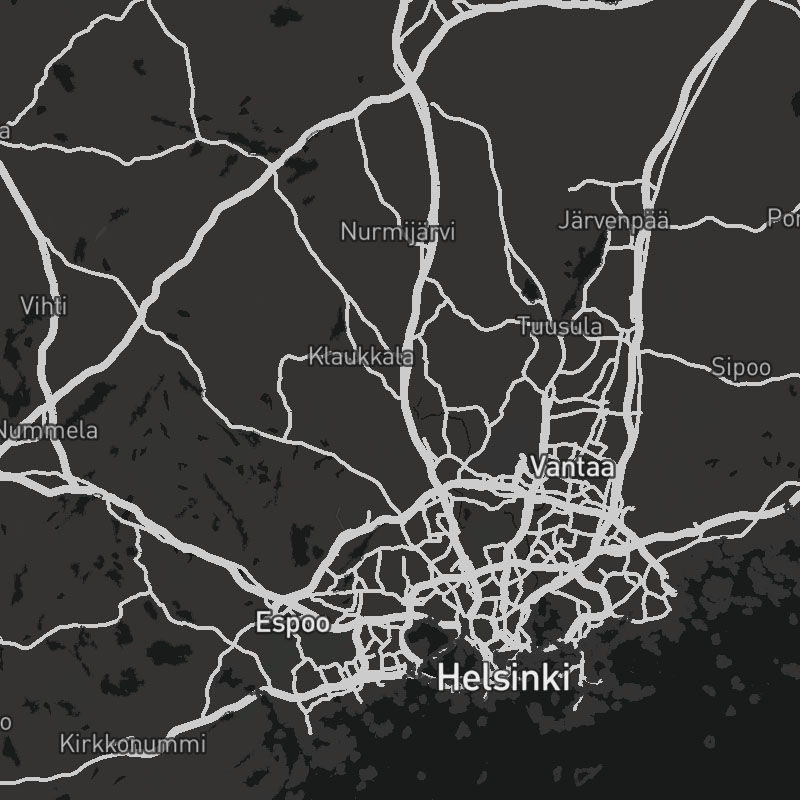
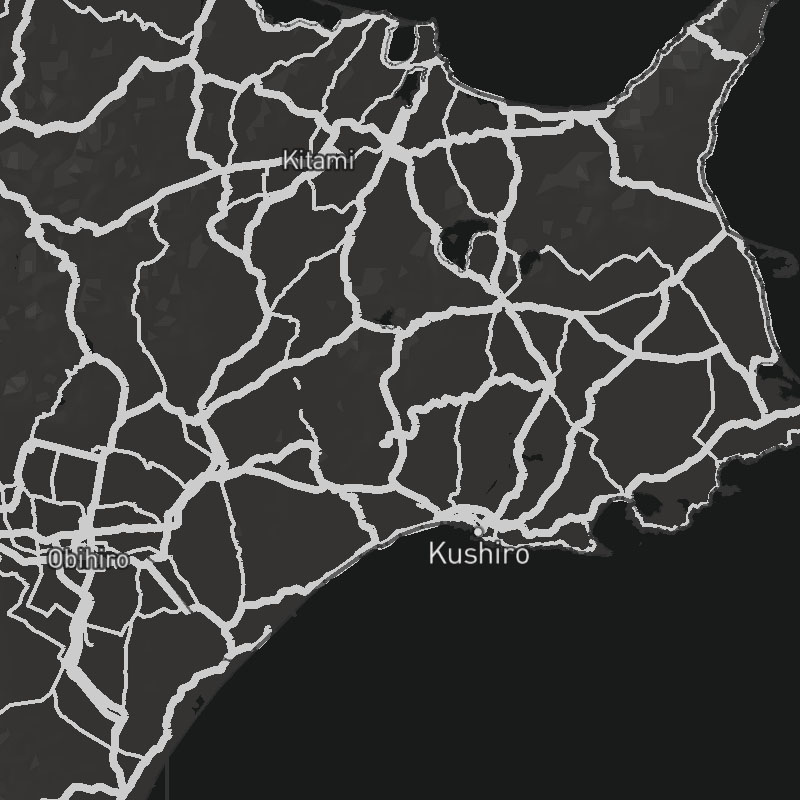
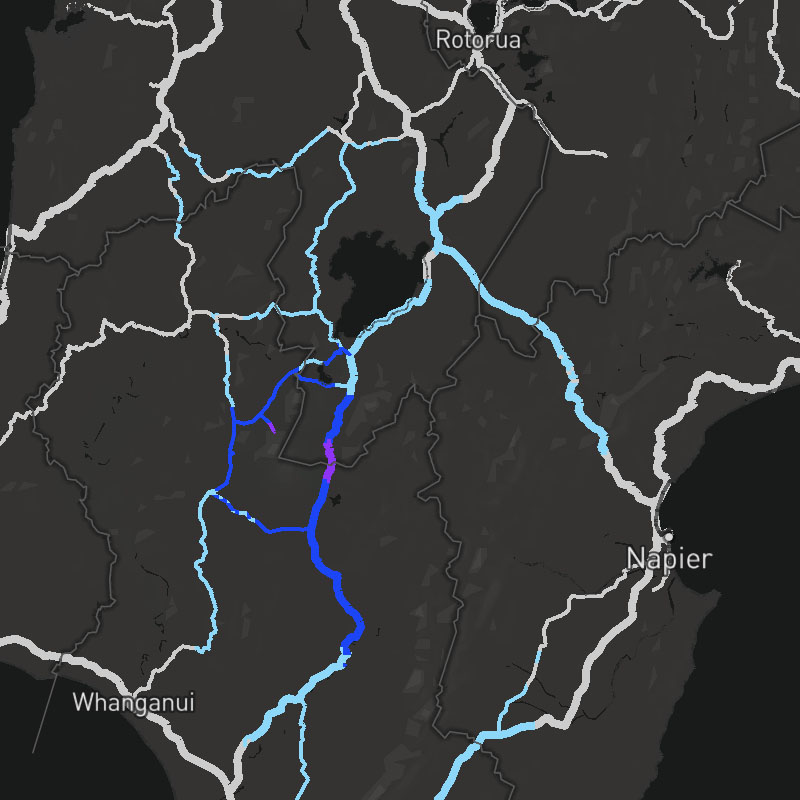
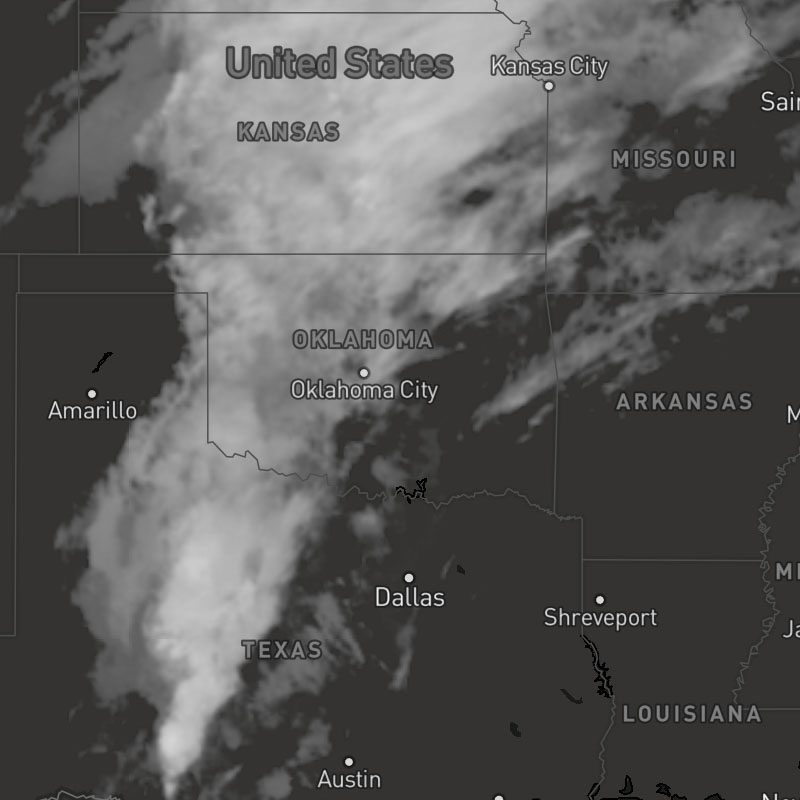
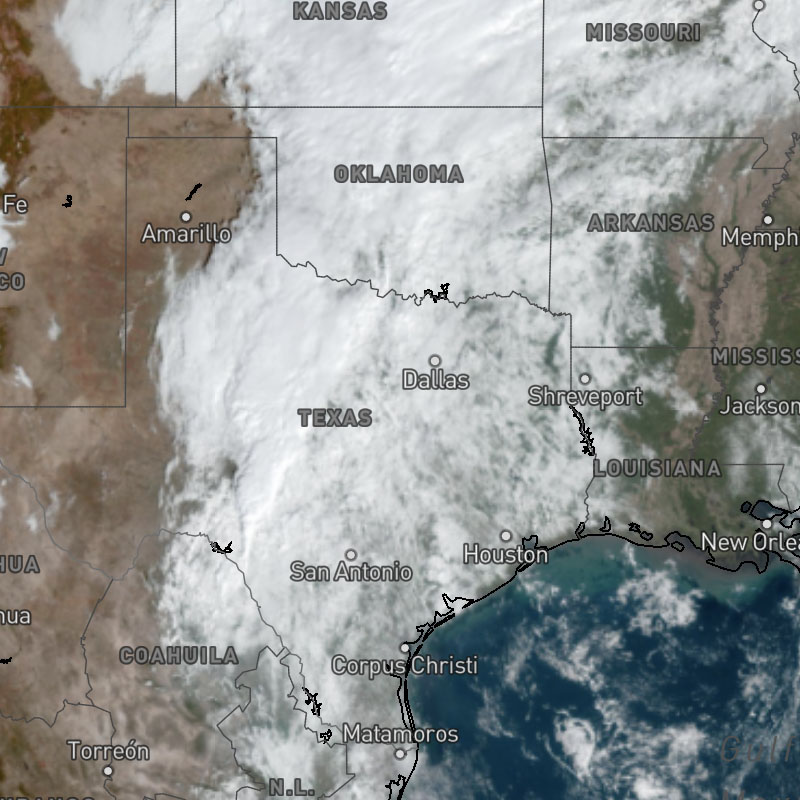
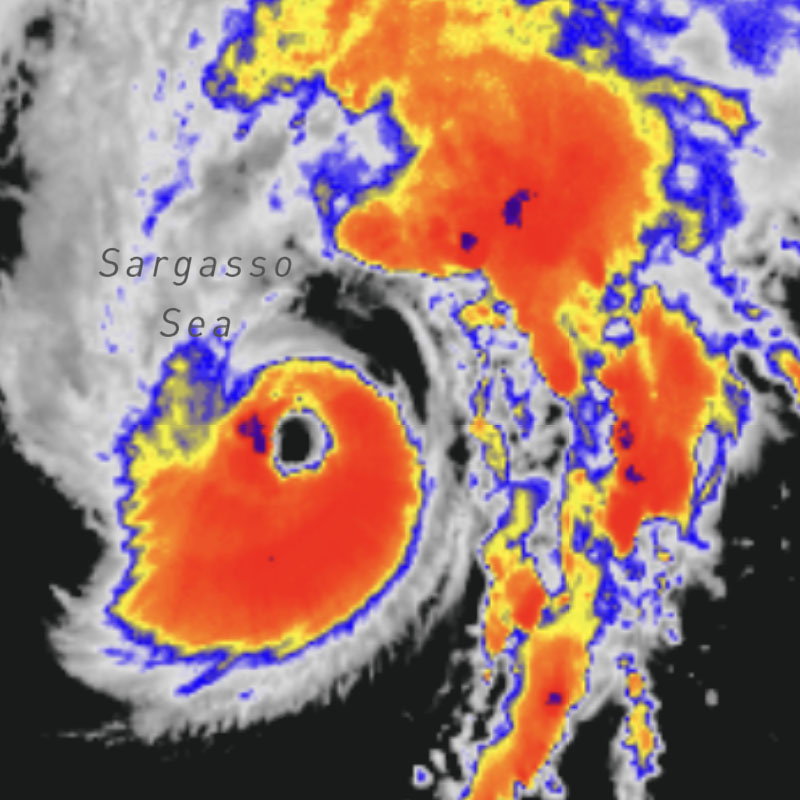
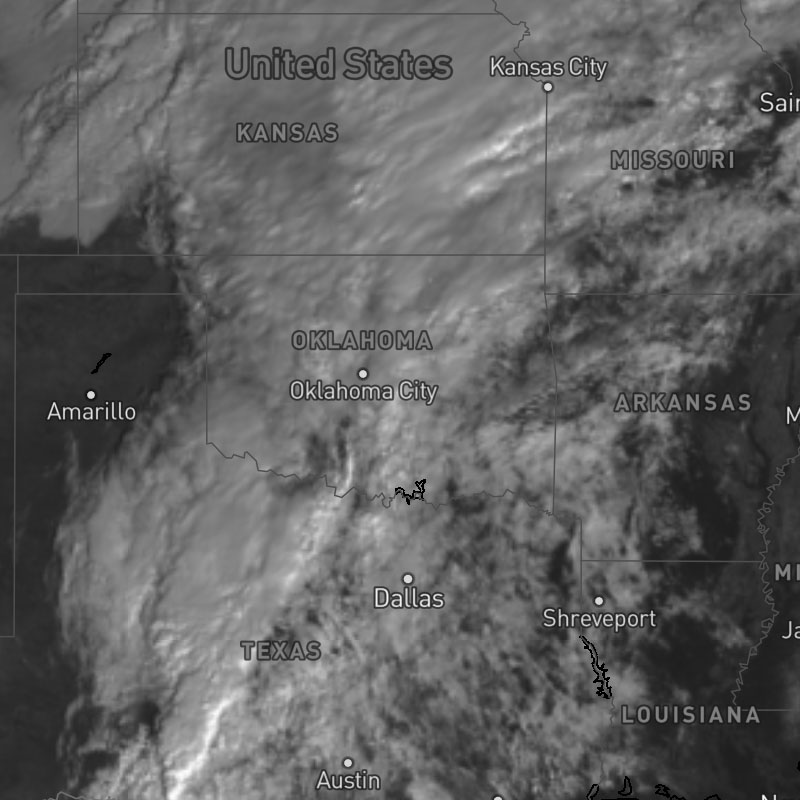
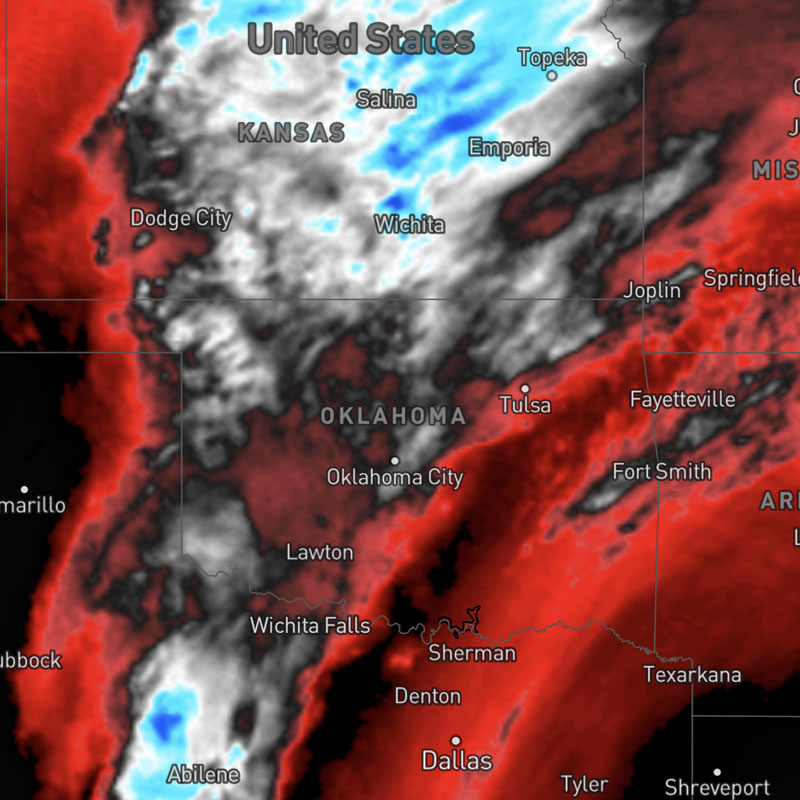
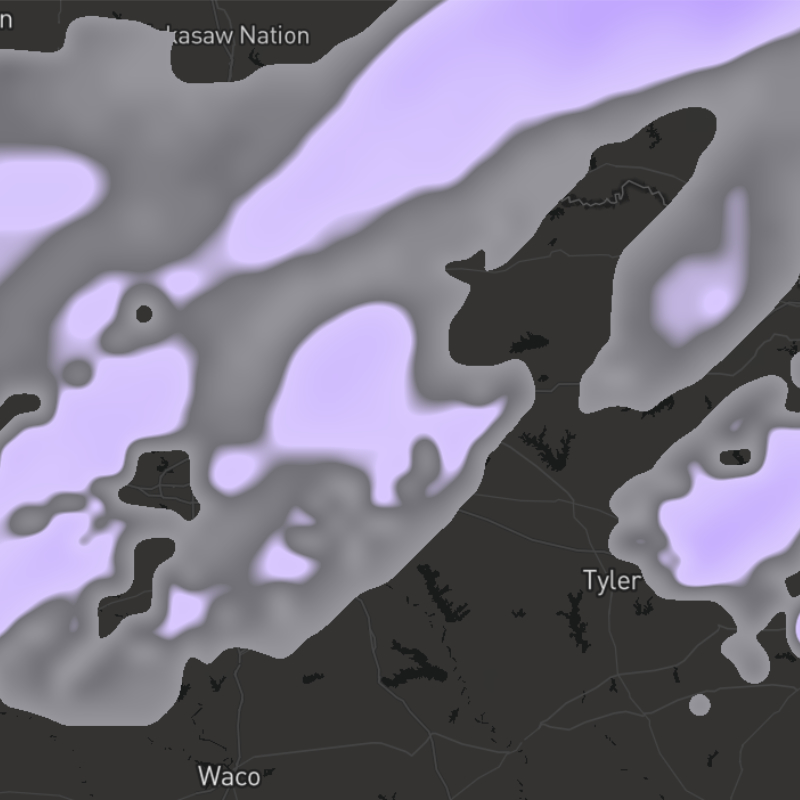
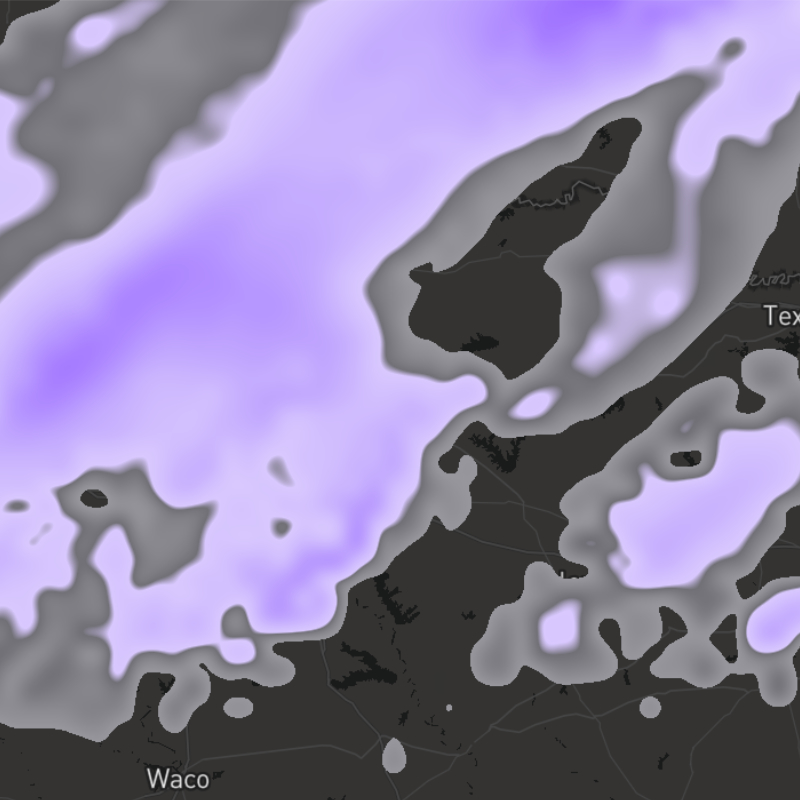
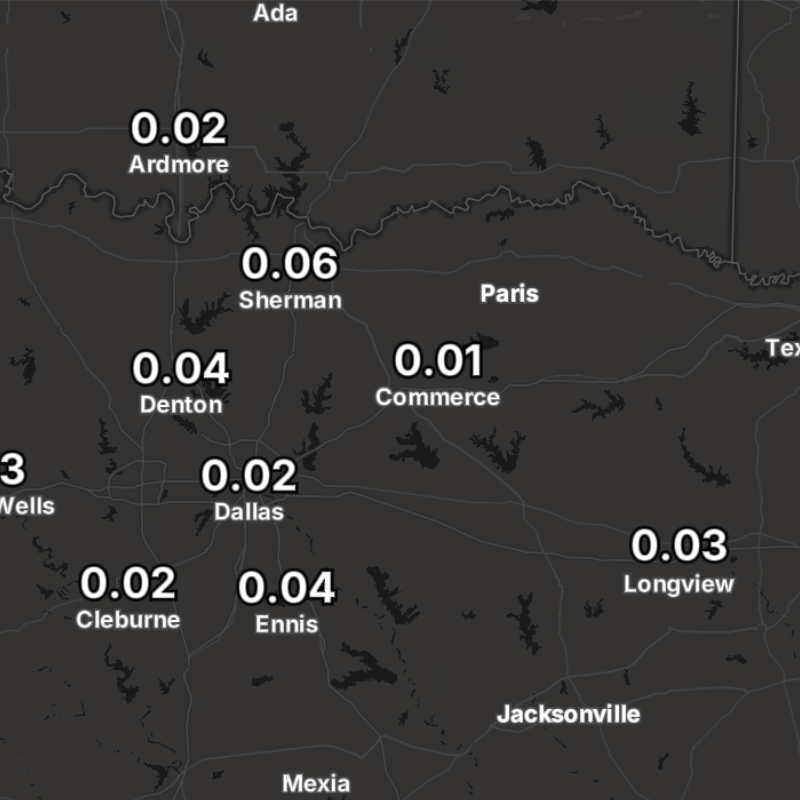
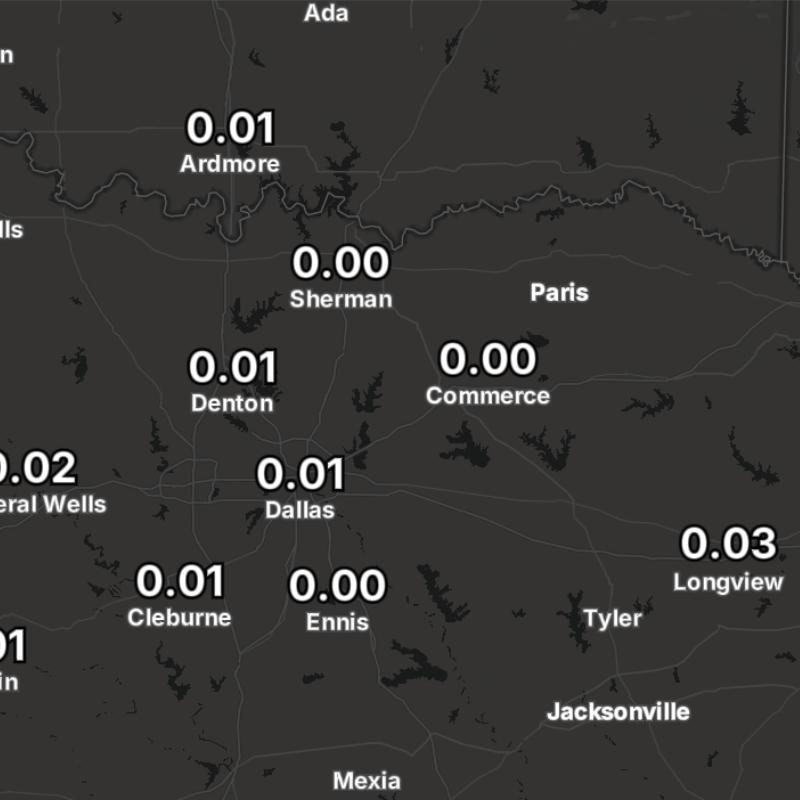
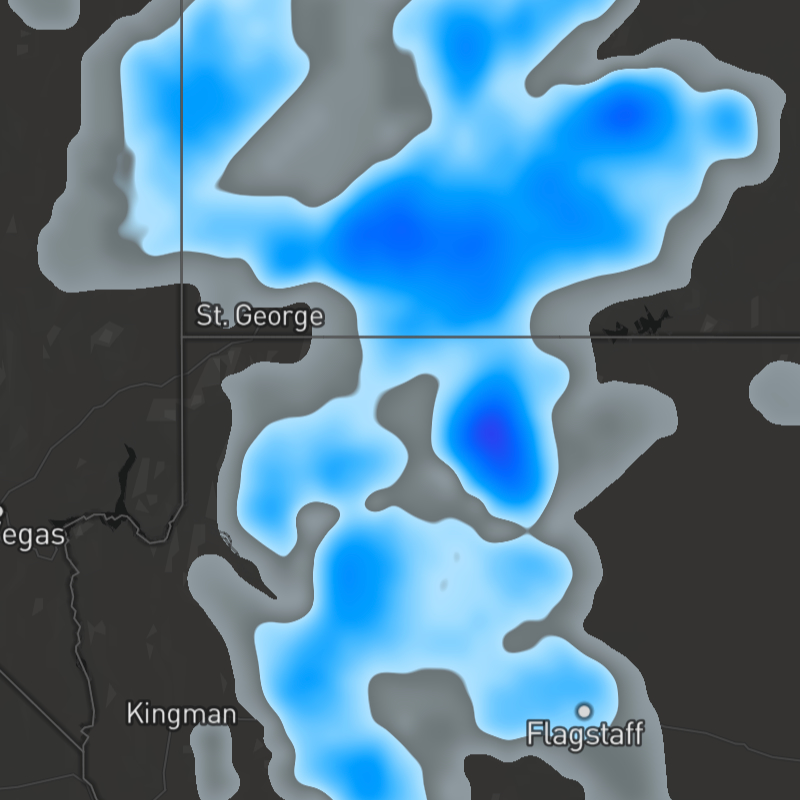
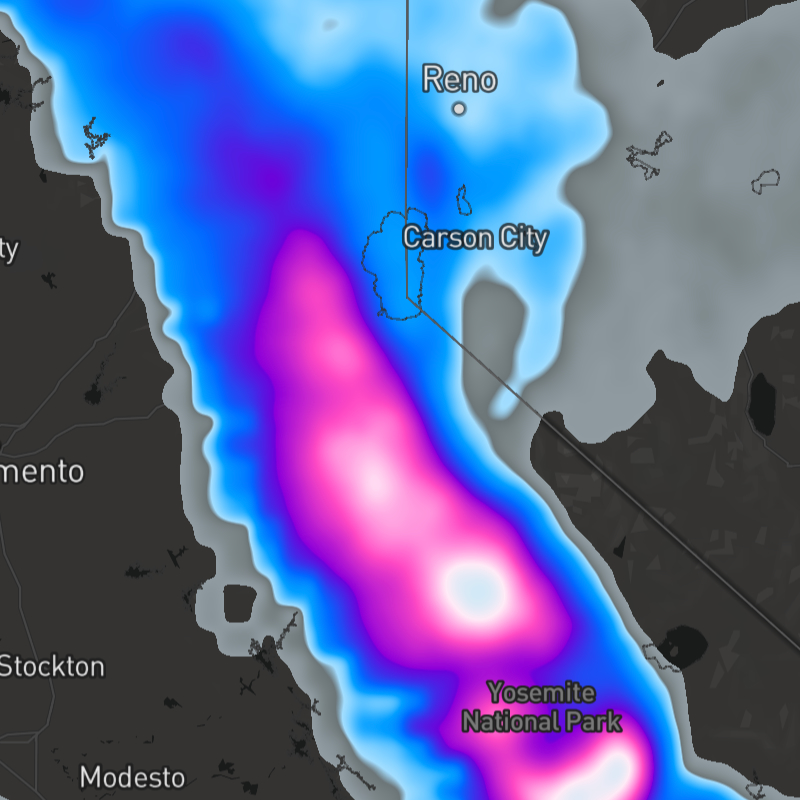
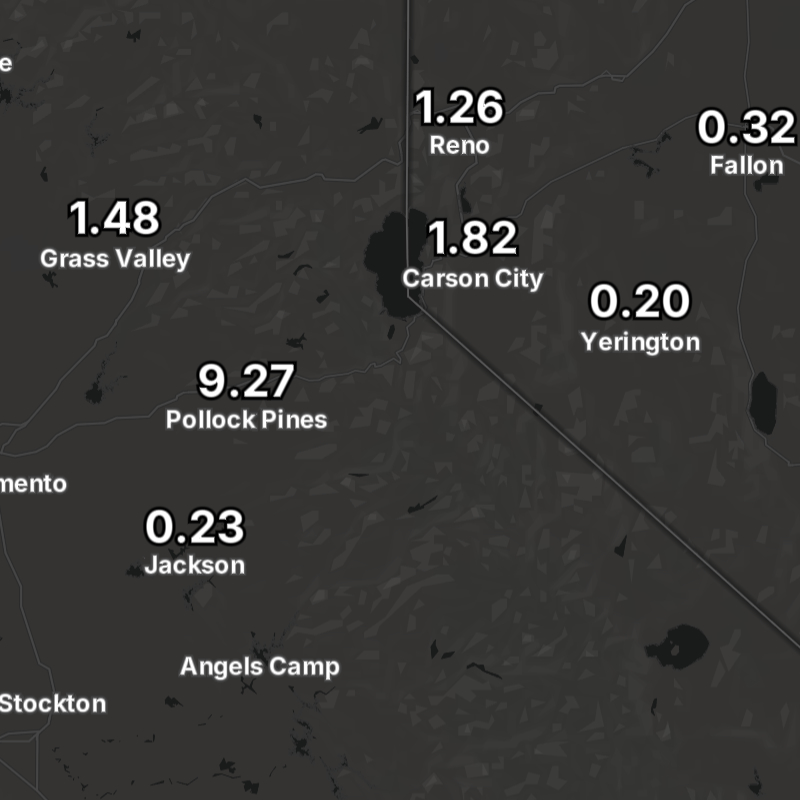
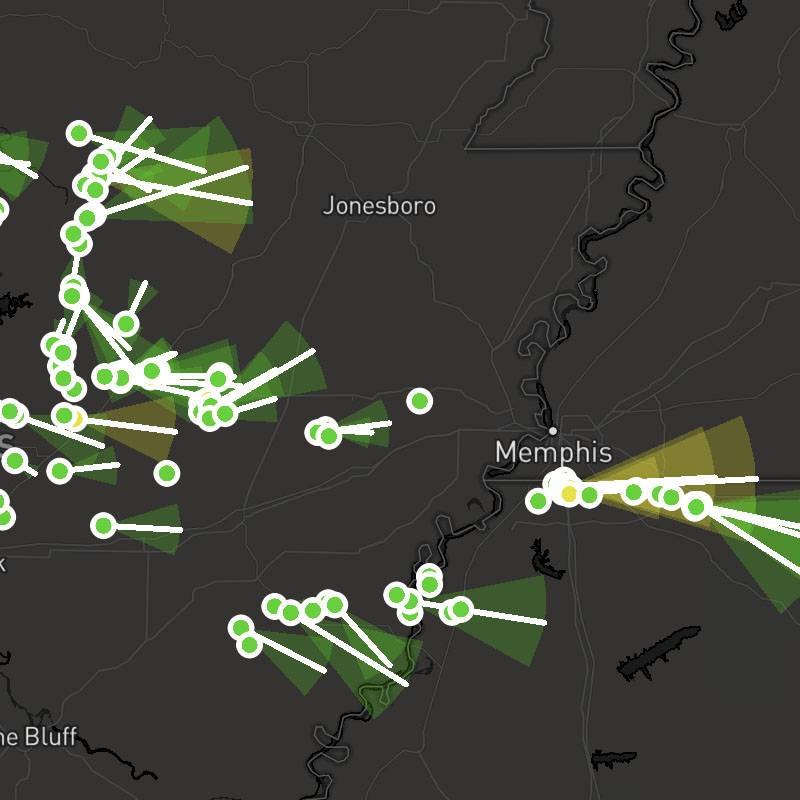
stormcells-positions, stormcells-tracks, stormcells-cones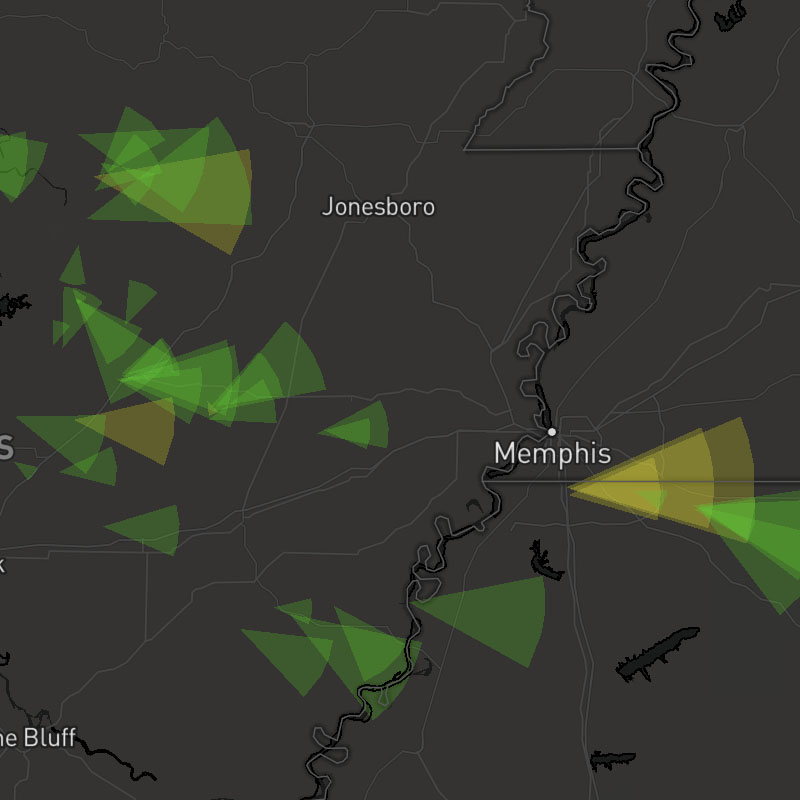
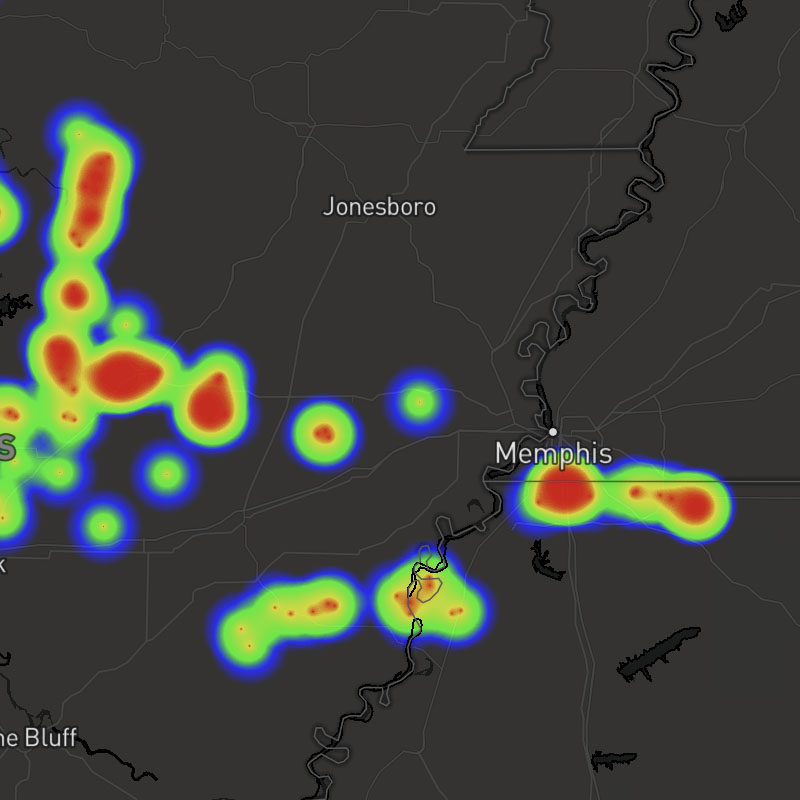
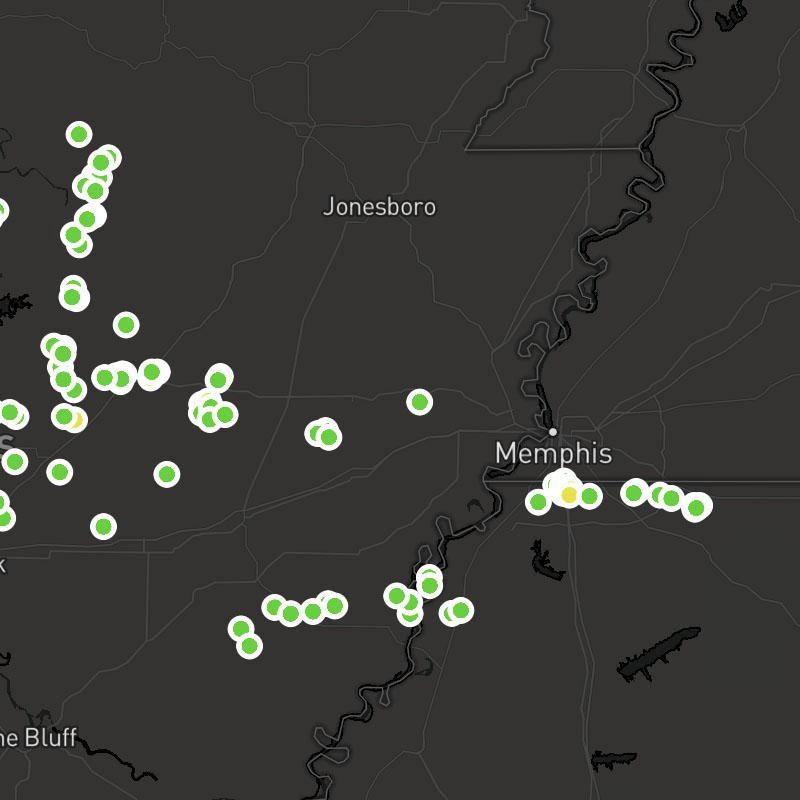
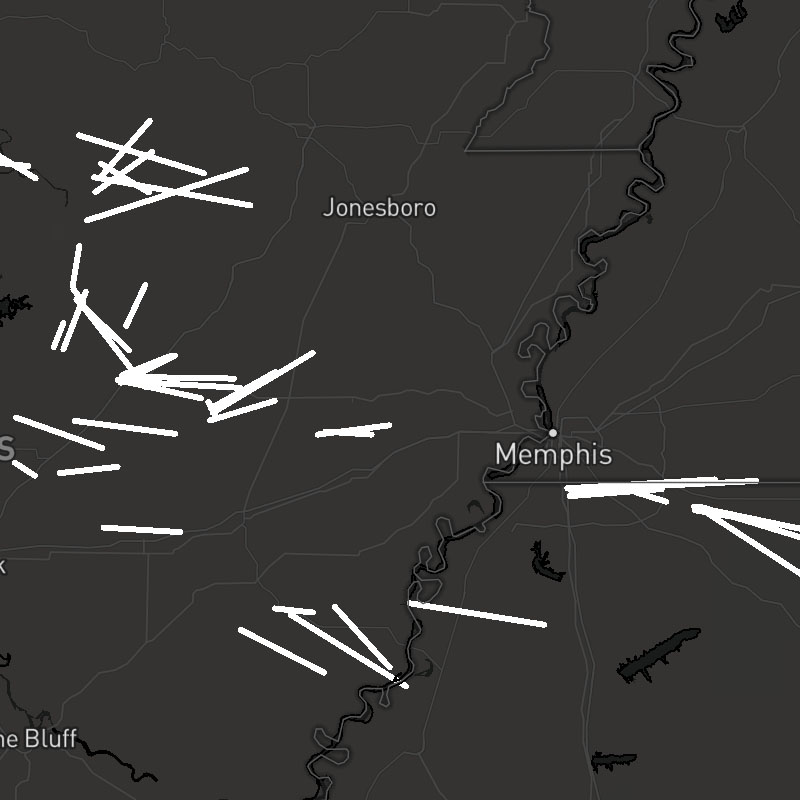
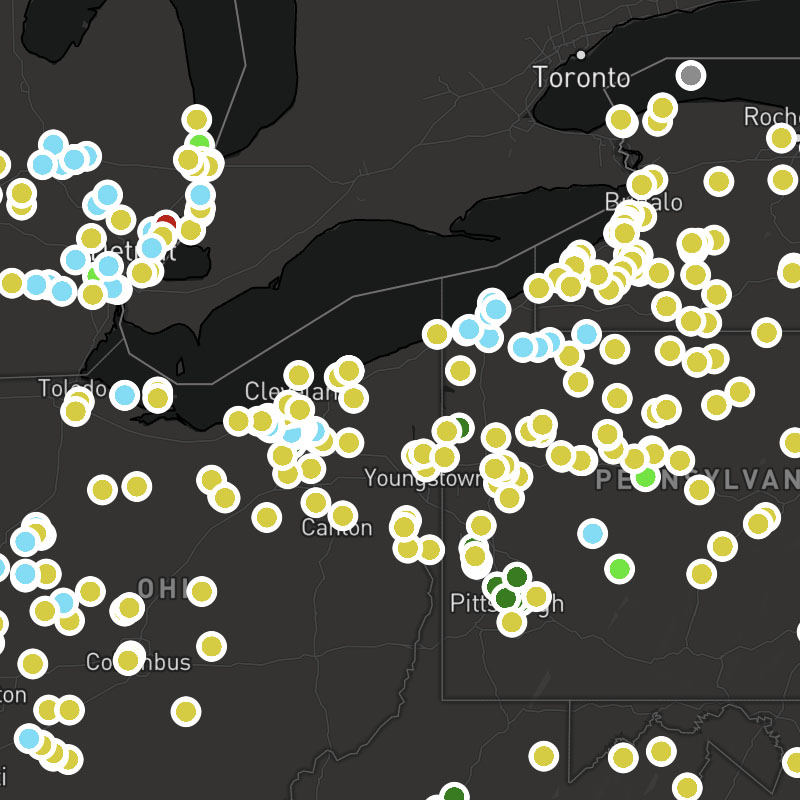
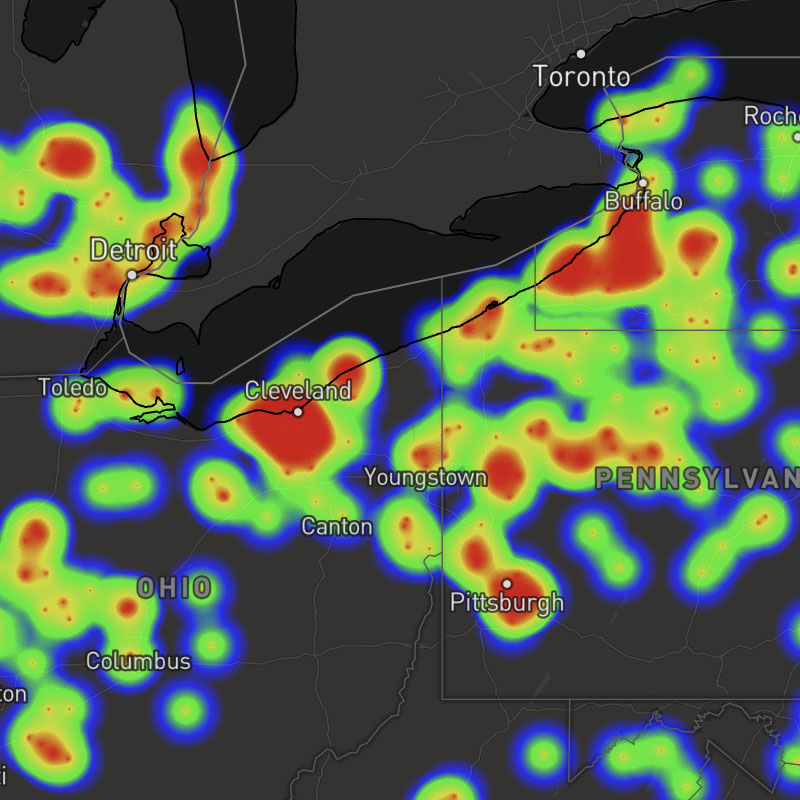
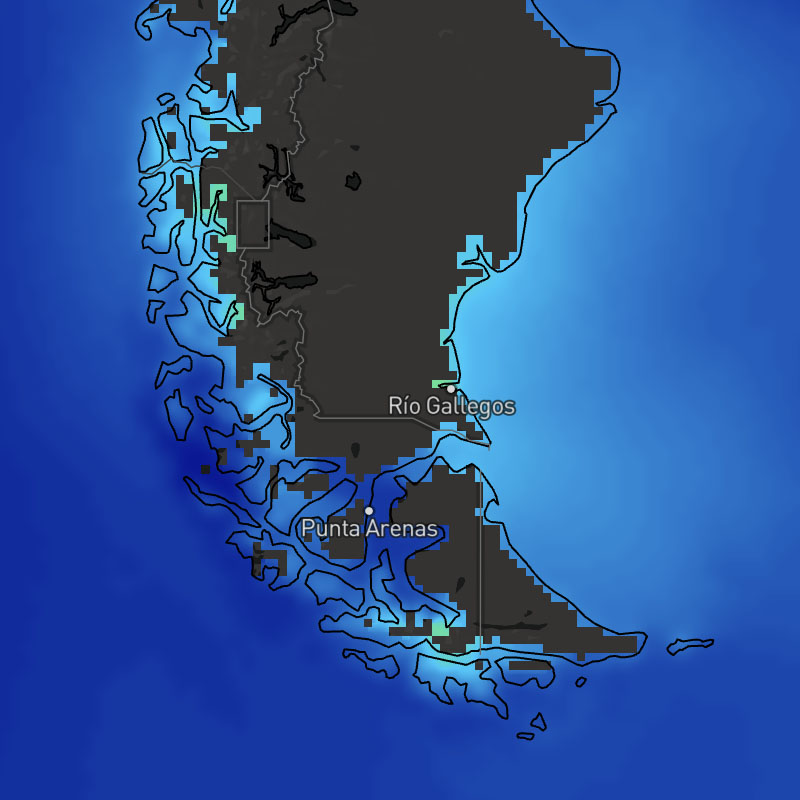
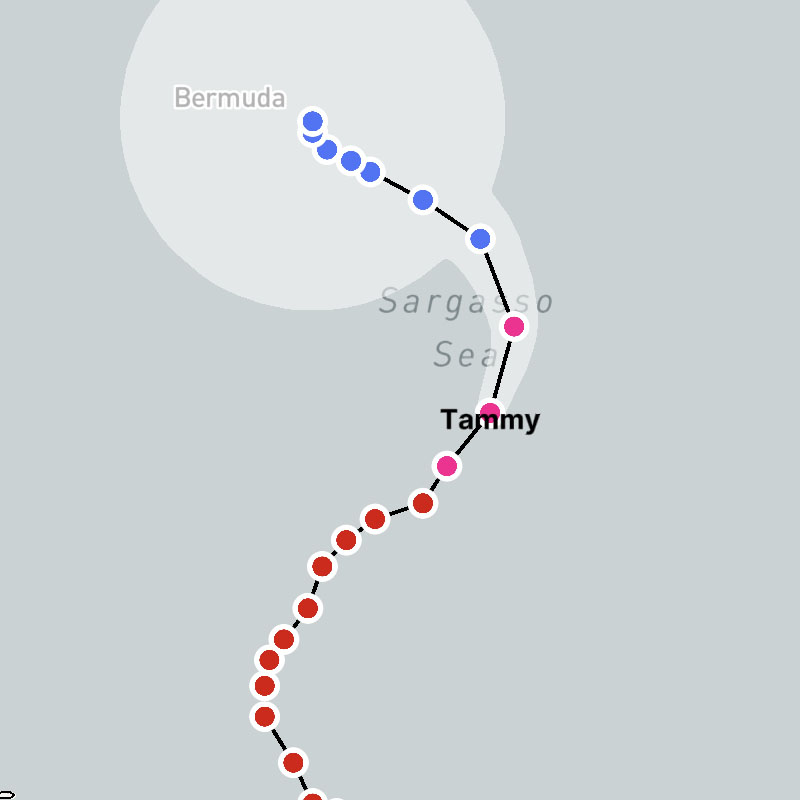
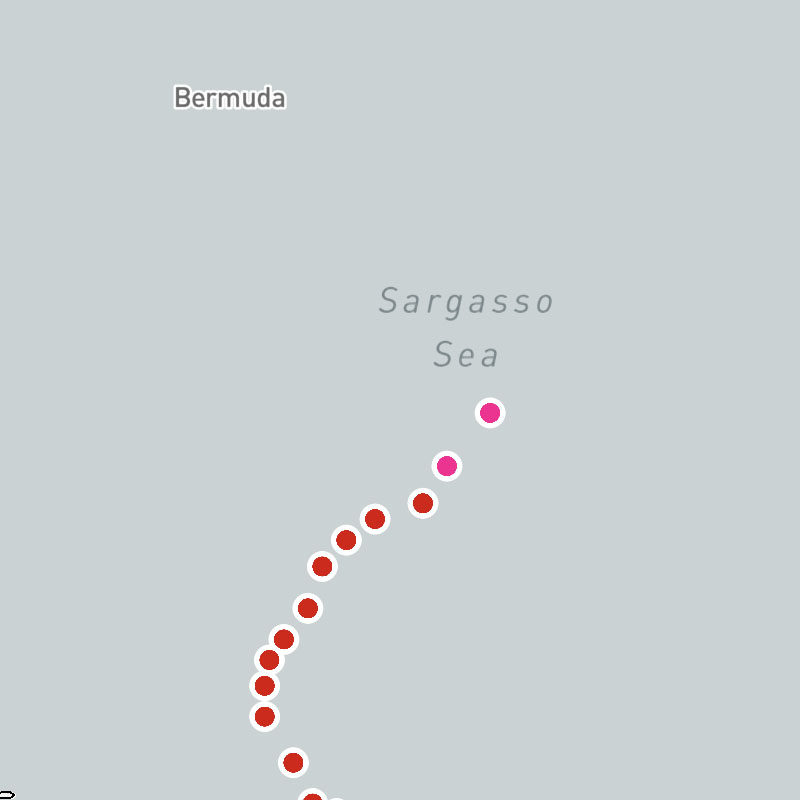
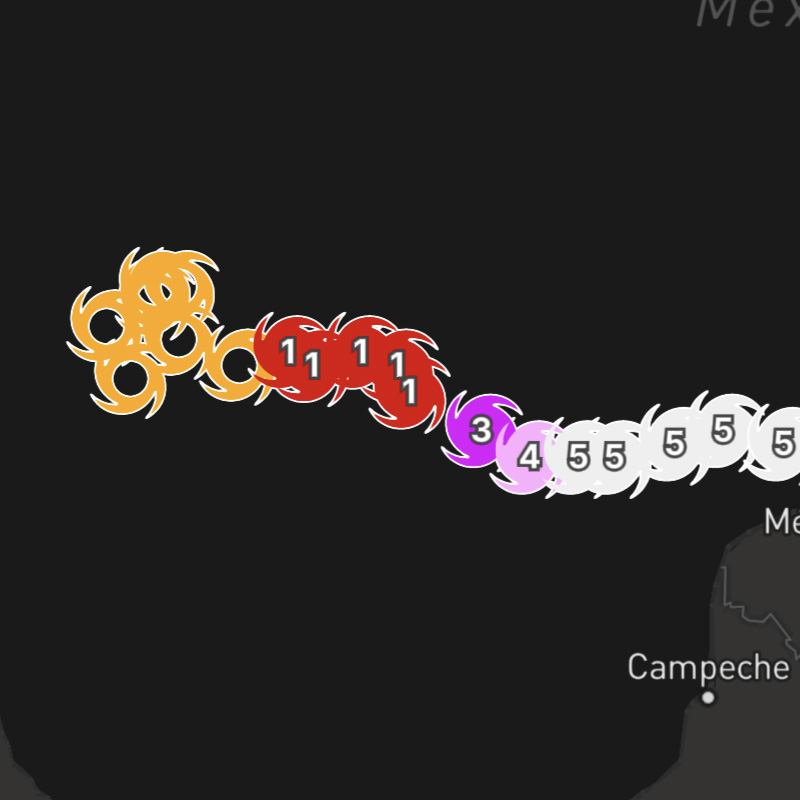
tropical-cyclones-positions, tropical-cyclones-names, tropical-cyclones-track-lines, tropical-cyclones-track-points, tropical-cyclones-forecast-lines, tropical-cyclones-forecast-points, tropical-cyclones-forecast-error-cones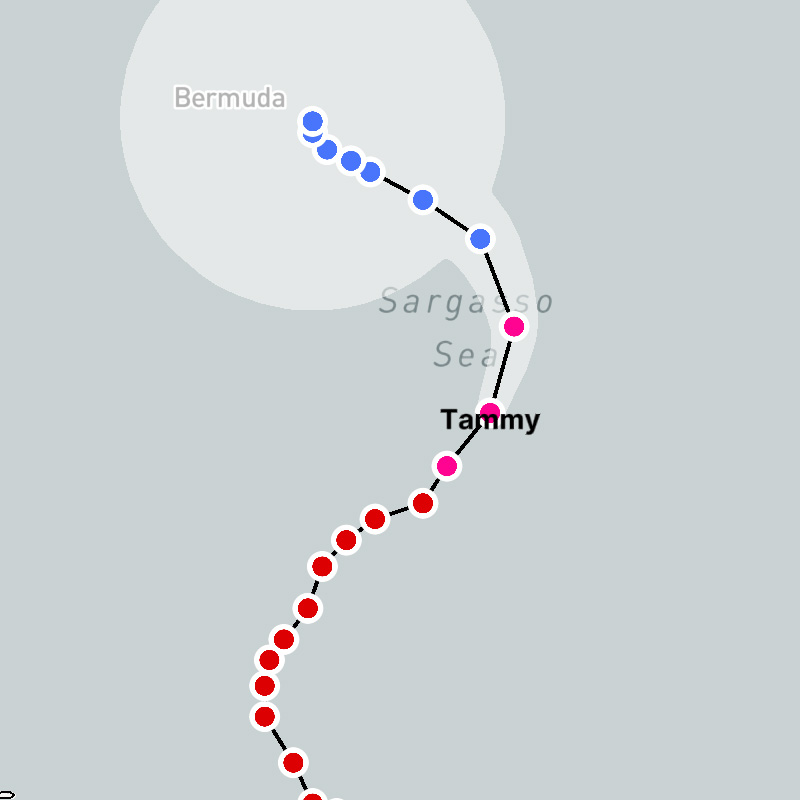
tropical-cyclones-track-lines-archive, tropical-cyclones-track-points-archive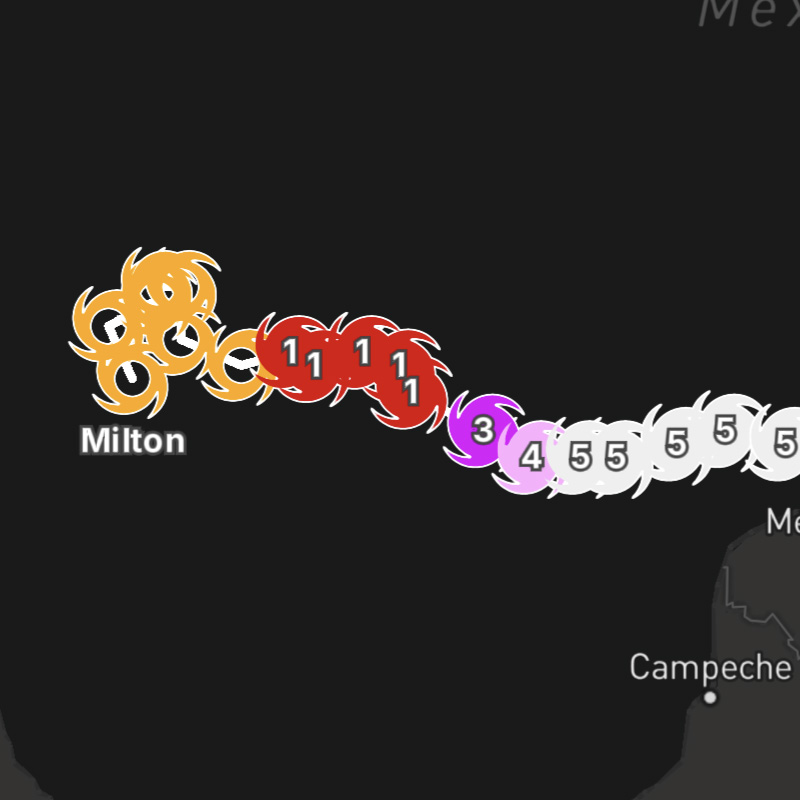
tropical-cyclones-track-lines-archive, tropical-cyclones-track-point-icons-archive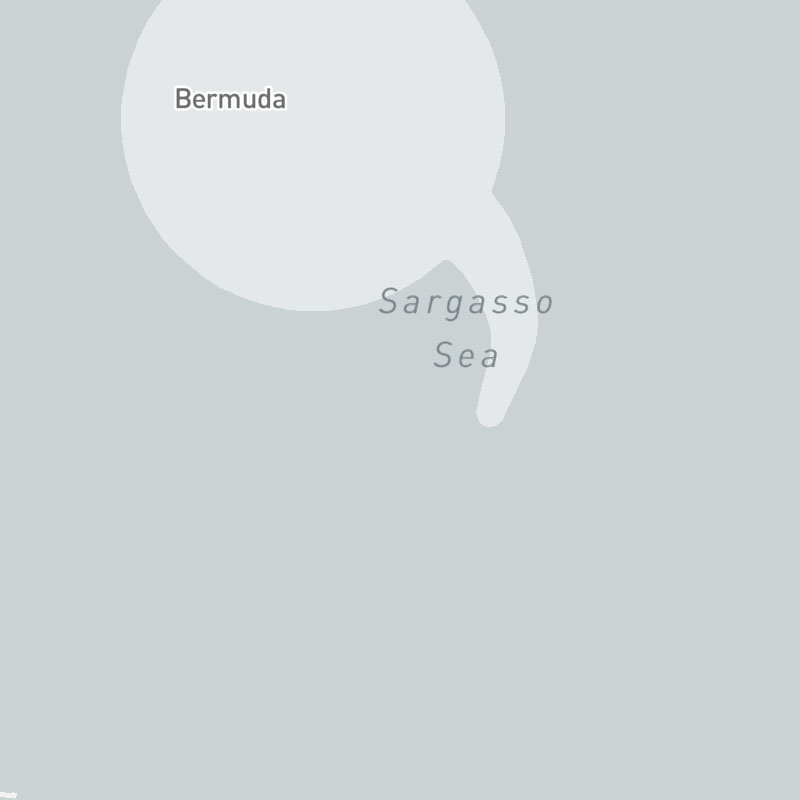
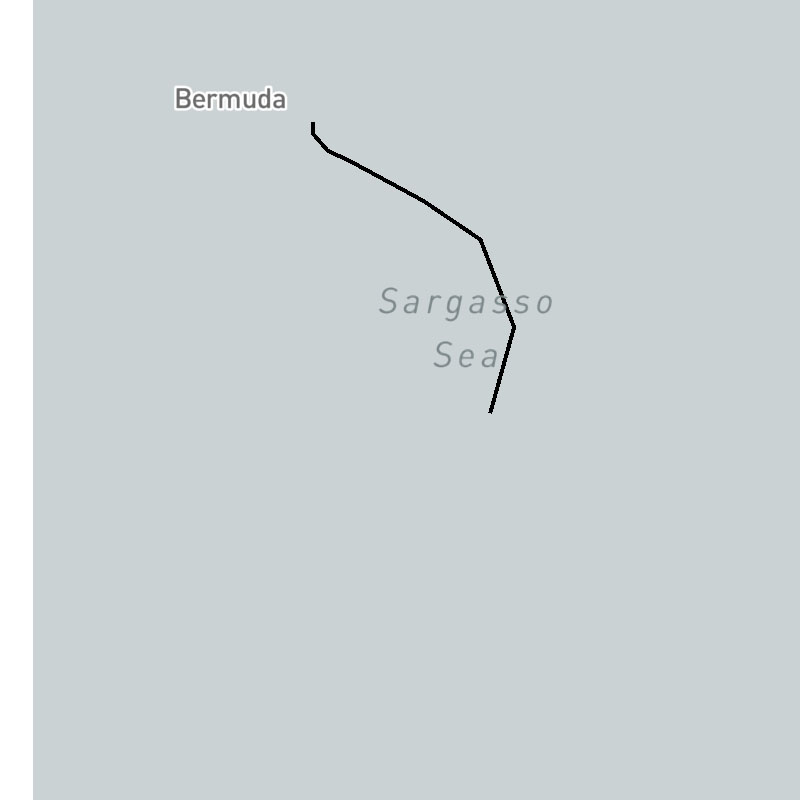
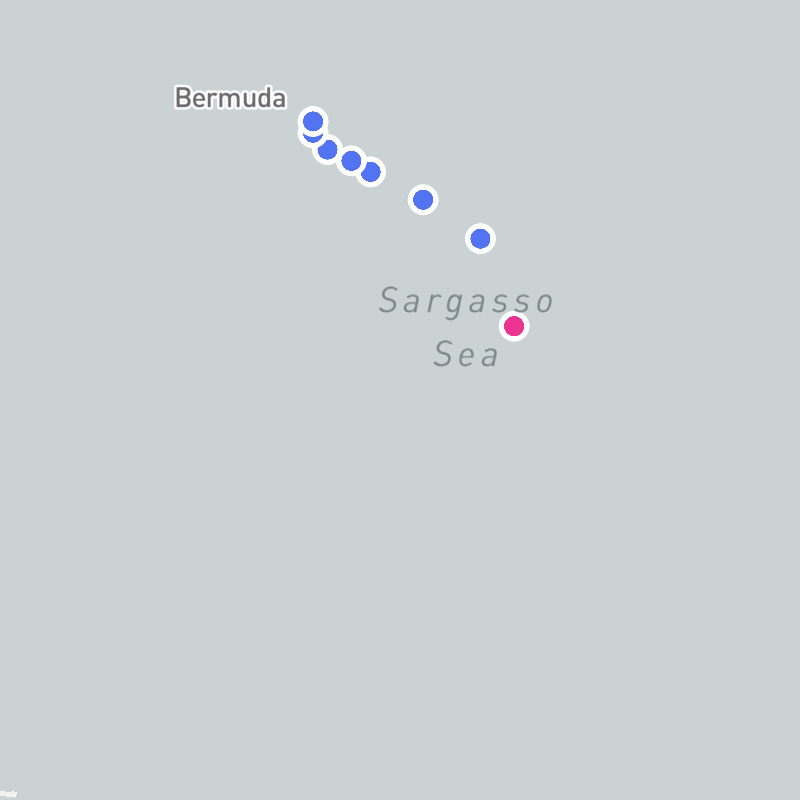
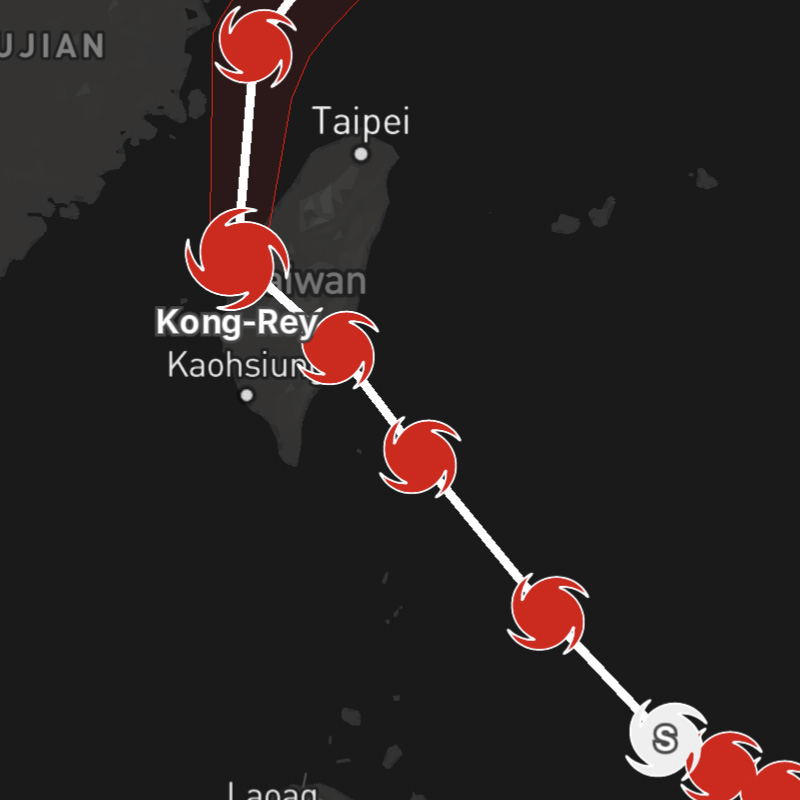
tropical-cyclones-position-icons, tropical-cyclones-names, tropical-cyclones-track-lines, tropical-cyclones-track-point-icons, tropical-cyclones-forecast-lines, tropical-cyclones-forecast-point-icons, tropical-cyclones-forecast-error-cones