
)
We talked to Matt Stead, Co-founder and Chief Product Officer of Eologix-Ping, to hear his insight on the pitfalls of overlooked lightning risk management and the importance of monitoring technology. Stead emphasizes practical, data-driven solutions: combining precise lightning data parameters with on-tower monitoring and acoustic damage detection helps operators triage inspections and avoid needless site visits. Drawing on roughly 3,000 lightning events and counting to turbines installed across the Americas, APAC, and EMEA, Stead argues that actionable, combined datasets can dramatically cut site tech time and speed repairs.
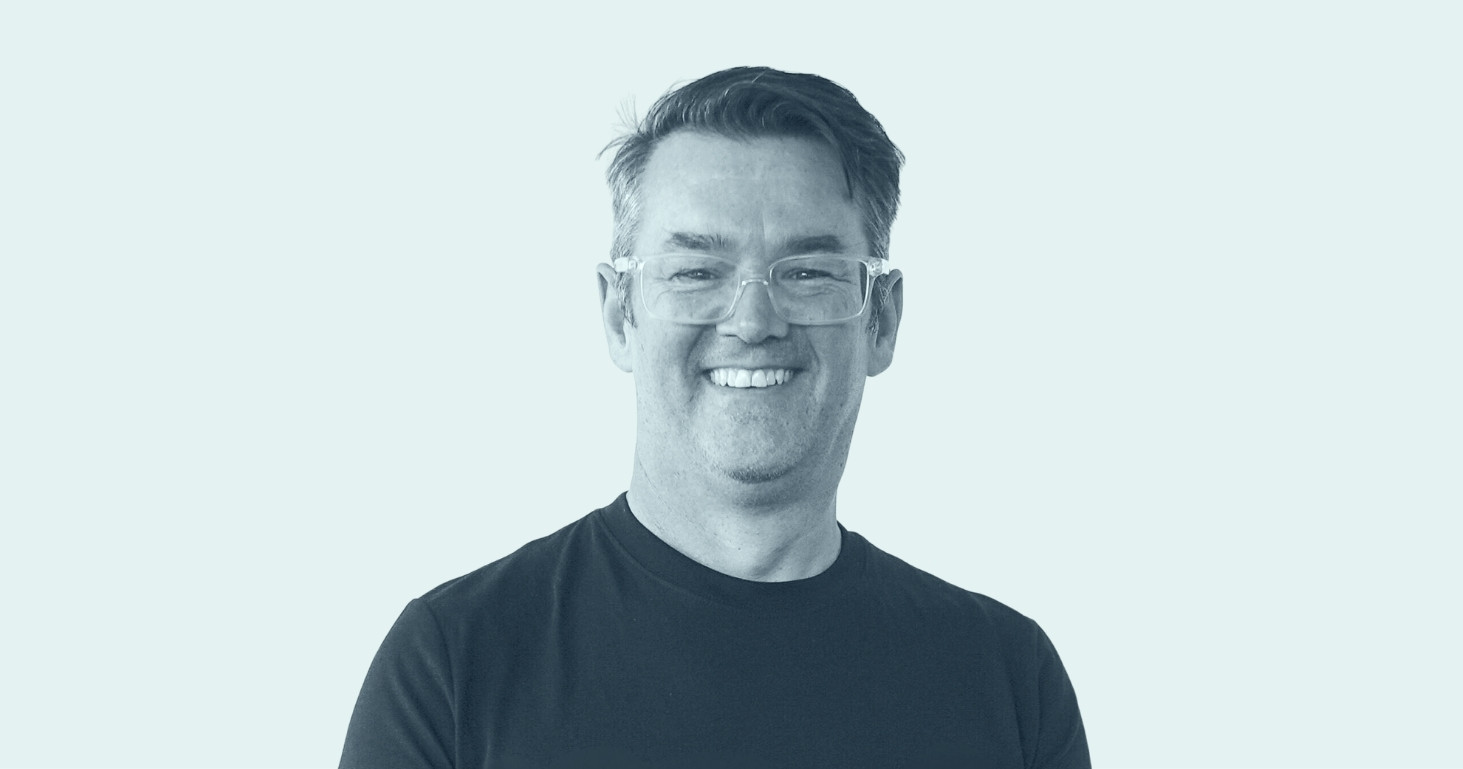
Matt Stead, Co-founder, Eologix-Ping
On the spectrum and scale of damage
“We’ve observed a wide range of lightning effects on blades, from surface damage that does not require repairs to catastrophic events where a strike blows up part of a blade, and the remaining blades hit the tower, causing its collapse. The most common types of lightning damage to the blades requiring operator action include puncturing, delamination, debonding, and tip damage. However, it’s important to remember that most lightning strikes do not harm turbines. But when it does, repair costs can range up to $10 million, though most of the events we see fall in the $5,000 to $50,000 range.
One event that really struck me happened in the Nordics during winter: an upward lightning* strike, a rare type of lightning, but one that is increasingly common as turbines get taller. The operator was puzzled because they had little information about the lightning event. We later received a vivid photo of a red blade tip that had been liberated and stuck into the snow. In another case in Texas, we detected the lightning strike and the damage. The damage looked severe across the full chord, but the operator assessed it as completely superficial and left the turbine running for years.”
* Upward lightning is a climatologically rare type of lightning initiated from a tall object and grows to connect with the cloud. In contrast, downward lightning is much more typical and originates from the cloud. Upward lightning is becoming more common for wind farms as turbines are installed with taller and taller tip heights.
Development blind spots and the costly triangle
“Many operators get caught out because they do not understand or account for lightning risk during the development stage of the wind project. As a result, there are cases when lightning becomes one of the biggest (and most costly) ongoing issues. When damage occurs, they have to deal with it retrospectively; it often becomes a three-way tussle among operators, manufacturers, and insurers. The longer disputes over who is responsible drag on, the longer the turbine might be idle. Faster analysis and resolution are crucial for returning the turbine to operation. The industry analysis reflects the reality, showing long downtimes for lightning-related claims, with some operators holding backlogs of dozens of repairs.”
On the growing risk and importance of monitoring
“In Xweather’s analysis, there is a clear uptick in the number of turbines that get four or more strokes for 2025. Across the Eologix-Ping monitors, the average number of cloud-to-ground strikes per tower is about 4.4 per year. That pattern is partly a measurement effect — we tend to monitor where lightning is already a problem, so our sample is skewed — but the raw counts are still meaningful. Regional variation shows that APAC (Japan) is higher in our sample, around 5.8, while other regions are lower, so it’s not uniform everywhere. There are plausible physical reasons for the trend: bigger towers and longer blades increase exposure, and there are hints that changing weather patterns are also a factor. We still need to learn more about why some towers are struck more frequently than others, and we need better monitoring and improvements to the lightning protection system performance to reduce risk.”
On prioritizing inspections with detection data
“We combine our blade monitoring with Xweather strike data because customers simply cannot afford to inspect every turbine after a reported strike. In your data sample, we see that some sites see up to ten strikes per turbine per year; that workload would be unmanageable without smart triage. By matching Xweather’s locations to our detections, we can tell operators with confidence exactly which tower was hit. That correlation reduces the number of inspections required and the time spent by site technicians. Operators apply their own triage rules, and if a strike isn’t significant enough, they won’t dispatch an inspection, because site technicians are already overloaded and cannot be sent to check every reported event. We are tying these together even further to notify operators after a strike when there is damage based on a step change to the acoustic signature of the blade. We also see that operators eagerly use alerts from Xweather, allowing field teams to receive timely warnings and stay safe when storms approach.”
)
)
)